
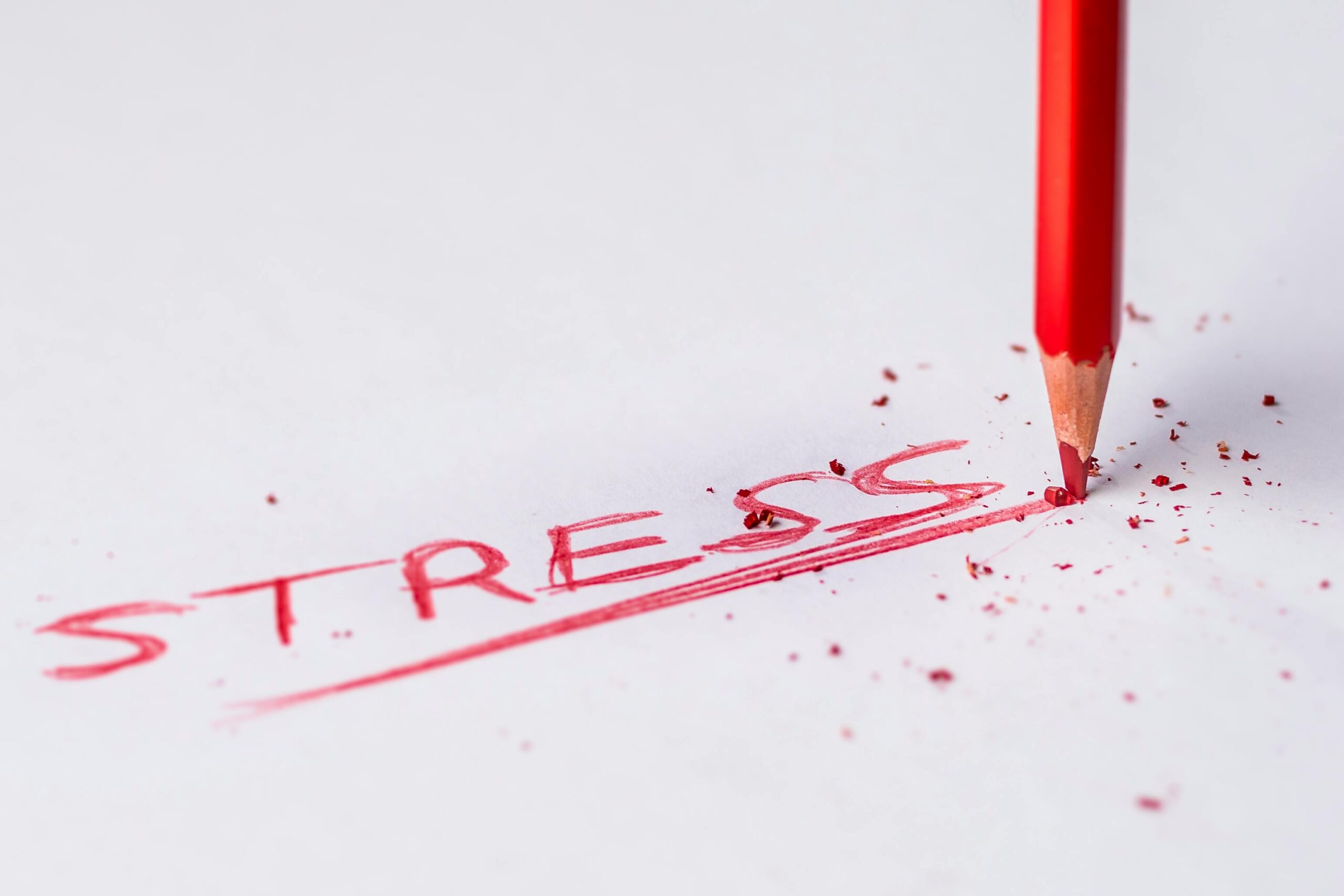
Stress Through a Compassionate Lens
Heightened pressure and overwhelm often carry a heavy emotional charge. Many people talk about these experiences as if they reflect weakness, poor coping, or a lack of discipline. Over time, this belief quietly shapes how individuals judge themselves, especially when feelings of strain become overwhelming or persistent. Yet these reactions are not character flaws. They are biological responses designed to protect the human body. When we view them through a scientific and compassionate lens, shame begins to loosen its grip, and understanding takes its place.
The human nervous system evolved to respond quickly to perceived danger. Long before modern life introduced emails, deadlines, financial strain, and social pressure, these responses helped our ancestors survive real physical threats. Today, the same mechanisms activate in response to emotional, psychological, and social challenges. This means that feeling overwhelmed is not evidence of failure. It is evidence that the body is doing exactly what it was designed to do.
When people interpret these reactions as personal shortcomings, they often internalize blame. They may push themselves harder, suppress emotions, or feel guilty for needing rest or support. Unfortunately, this mindset can intensify physical symptoms and deepen emotional exhaustion. In contrast, understanding these responses as biological processes allows individuals to approach their experiences with curiosity rather than judgment. That shift alone can feel deeply therapeutic.
This article explores the body’s response to pressure from a compassionate, science-informed perspective. It explains how these reactions work, why prolonged activation feels so overwhelming, and how self-blame interferes with healing. Most importantly, it invites a gentler relationship with internal signals—one rooted in understanding, regulation, and care rather than criticism.
By the end of this conversation, these responses may no longer feel like an enemy or a personal failure. Instead, they can become signals, messengers, and opportunities to listen more closely to what the body and mind need during moments of challenge.
Understanding Stress as a Biological Survival Mechanism
These reactions begin in the brain, not in personal weakness. When the brain perceives a threat—whether physical or emotional—it activates a complex protective system. This process, often called the body’s survival response, involves the nervous system, endocrine signaling, and multiple organs working together in real time. Its purpose is straightforward: to prepare the body to respond.
The amygdala, a small but powerful structure in the brain, plays a central role. When it detects danger, it sends an alarm signal to the hypothalamus. From there, hormones such as cortisol and adrenaline are released. These chemicals increase heart rate, sharpen focus, and redirect energy toward muscles needed for action. All of this happens automatically, without conscious choice.
This biological cascade explains why moments of overwhelm can feel so intense and immediate. The body does not pause to evaluate whether the threat is a looming deadline or a physical hazard. It reacts first, because survival depends on speed. In those moments, the response is not undermining well-being—it is attempting to protect it.
Difficulties arise when this system remains activated for long periods rather than brief bursts. It is designed for short-term use. When the body stays on high alert without adequate recovery, sleep, digestion, mood, immune function, and mental clarity can all be affected. Even then, prolonged activation does not signal failure. It reflects a nervous system adapting to ongoing pressure.
Viewing these reactions as survival-based processes helps dismantle the myth that people should simply “handle things better.” The body responds based on perception, lived experience, and environment. Past trauma, chronic uncertainty, and limited support all shape how easily this system is triggered. When alertness feels constant, it may be a sign that the body has learned vigilance as a form of safety.
This understanding invites compassion. Instead of asking, “What is wrong with me?” a more supportive question becomes, “What has my body learned, and what does it need now?” That shift alone can open the door to healing.
Why Stress Feels Personal Even When It Is Not
These responses often feel deeply personal because they affect thoughts, emotions, and behavior. As internal pressure rises, people may notice irritability, forgetfulness, fatigue, or heightened emotional reactivity. These shifts can feel like personality flaws rather than physiological changes. As a result, many individuals turn the experience inward, believing they should be more resilient, calmer, or stronger.
Cultural messaging reinforces this belief. Society frequently praises productivity, endurance, and emotional control while minimizing the reality of nervous system overload. Phrases like “push through,” “stay strong,” or “don’t let it get to you” imply that difficulty reflects insufficient effort. Over time, these messages shape inner dialogue, making overwhelm feel like a personal shortcoming.
This experience also interacts with identity. People may feel ashamed when internal strain interferes with work performance, relationships, or parenting. They may compare themselves to others who appear to cope effortlessly, without realizing that every nervous system responds differently. Such comparisons ignore critical factors like trauma history, neurobiology, access to support, and current life demands.
In addition, prolonged activation affects cognition. When the brain remains in survival mode, it prioritizes threat detection over reflection and self-compassion. This makes it harder to access rational reassurance. Instead, the mind may default to self-criticism because it feels familiar and immediate. Unfortunately, this pattern often intensifies internal pressure rather than easing it.
Recognizing that these experiences feel personal because they shape inner life—not because they reflect failure—is a powerful reframe. The body does not activate protective responses to punish. It does so to preserve safety. Emotional and behavioral changes during times of overload are signals, not judgments of character.
When people understand this distinction, relief often follows. These reactions no longer define who they are. They become something they experience, not something they are. This shift creates distance from shame and opens space for curiosity, support, and regulation.
By separating identity from biology, individuals can respond with greater kindness. Instead of fighting the body, they can learn to work with it—listening to its cues and responding with care.
The Impact of Chronic Stress on the Nervous System
Chronic stress changes how the nervous system functions over time. When the stress response activates repeatedly without adequate recovery, the body adapts by staying on high alert. This adaptation may feel like constant tension, racing thoughts, difficulty relaxing, or emotional numbness. These symptoms do not reflect weakness. They reflect a nervous system that has learned to prioritize safety.
The autonomic nervous system plays a central role in this process. It consists of the sympathetic nervous system, which activates stress responses, and the parasympathetic nervous system, which supports rest and restoration. In healthy regulation, these systems move fluidly between activation and relaxation. Chronic stress disrupts this balance.
When the sympathetic system dominates, the body may remain in a state of readiness even when no immediate threat exists. Cortisol levels may stay elevated, sleep may become disrupted, and digestion may slow. Over time, this can contribute to anxiety, depression, burnout, and physical health concerns. Importantly, these outcomes arise from prolonged biological activation, not from personal inadequacy.
Chronic stress also affects emotional regulation. The brain areas responsible for reasoning and emotional balance may receive less energy when survival takes priority. This can make emotions feel overwhelming or difficult to manage. People may react more strongly than they expect, then criticize themselves afterward. Without understanding the biological context, this cycle can feel discouraging.
Trauma further complicates this picture. Past experiences of danger or instability can sensitize the nervous system, making it more reactive to stress in the present. This does not mean the person is broken. It means the nervous system learned strategies to survive earlier conditions.
Healing chronic stress involves restoring a sense of safety in the body. This process takes time, patience, and often support. It cannot be forced through willpower alone. When individuals recognize that their nervous system adapted for survival, self-compassion becomes a necessary part of recovery.
Understanding chronic stress as a nervous system pattern rather than a moral failing allows people to seek help without shame. It reframes healing as regulation, not correction.
How Self-Blame Intensifies Stress and Blocks Healing
Self-blame often accompanies stress, especially when symptoms persist. Many people tell themselves they should be coping better, managing time more effectively, or staying calmer. While these thoughts may feel motivating at first, they often intensify stress over time.
Self-blame activates the stress response because it signals threat. The brain interprets criticism as danger, even when it comes from within. This means that harsh self-talk can trigger the same physiological reactions as external stressors. Heart rate may increase, muscles may tense, and cortisol may rise. Instead of calming the system, self-blame keeps it activated.
This cycle becomes especially problematic when stress already feels overwhelming. The body sends signals of fatigue, tension, or emotional distress, and the mind responds with judgment. As a result, individuals may ignore their needs, push through exhaustion, or suppress emotions. While this approach may seem productive in the short term, it often leads to deeper burnout.
Self-blame also interferes with emotional processing. When people judge themselves for feeling stressed, they may avoid exploring what the stress is communicating. Stress often points to unmet needs, boundaries that require attention, or values under pressure. Self-criticism blocks this insight by shifting focus away from understanding and toward punishment.
Compassion, in contrast, supports regulation. When individuals respond to stress with curiosity and kindness, the nervous system receives signals of safety. This does not mean avoiding responsibility or change. It means approaching stress as information rather than evidence of failure.
Research consistently shows that self-compassion reduces stress, improves emotional resilience, and supports mental health. Treating stress as a biological response allows individuals to practice compassion without minimizing their experience.
Letting go of self-blame does not make stress disappear overnight. However, it removes a significant barrier to healing. When the body no longer feels attacked from within, it becomes more receptive to rest, regulation, and recovery.
Reframing Stress Through a Therapeutic Lens
A therapeutic lens views stress as communication rather than dysfunction. Instead of asking why stress exists, therapy often explores what stress is responding to and what it is trying to protect. This approach shifts the focus from elimination to understanding, which can feel deeply validating.
Stress often emerges when something meaningful feels threatened. This could include safety, connection, stability, or identity. For example, stress around work may reflect the importance of security or purpose. Stress in relationships may signal a need for connection or boundaries. When stress appears, it often highlights values rather than failures.
Therapy also recognizes that stress responses are shaped by learning. The nervous system remembers past experiences and adapts accordingly. If someone grew up in an unpredictable environment, their stress response may activate quickly in adulthood, even when situations appear manageable on the surface. This does not reflect overreaction. It reflects learned survival strategies.
Through therapy, individuals learn to notice stress signals without judgment. They may become more aware of bodily sensations, emotional patterns, and thought processes. This awareness creates space to respond rather than react. Over time, the nervous system can learn new patterns of safety and regulation.
A therapeutic approach emphasizes collaboration with the body rather than control over it. Techniques such as grounding, breath awareness, and emotional validation support this process. These practices send signals of safety, allowing the stress response to soften gradually.
Reframing stress in this way reduces fear. Stress no longer feels like something to eliminate at all costs. It becomes something to listen to and work with. This perspective aligns with trauma-informed care, which recognizes that symptoms often make sense within context.
When people view stress therapeutically, they often feel empowered rather than defeated. Stress becomes part of a larger story of resilience, adaptation, and growth.
Learning to Regulate Stress Instead of Fighting It
Many people try to fight stress by pushing it away, ignoring it, or criticizing themselves for feeling it. While understandable, this approach often backfires. Stress tends to intensify when it feels resisted or invalidated. Regulation, rather than resistance, offers a more sustainable path forward.
Regulation involves supporting the nervous system’s ability to move between activation and rest. This does not require eliminating stressors immediately. Instead, it focuses on increasing the body’s capacity to recover. Small, consistent signals of safety can make a meaningful difference over time.
Breath plays a significant role in regulation. Slow, intentional breathing activates the parasympathetic nervous system, which supports relaxation. Movement, especially gentle and rhythmic movement, can also help release stored tension. These practices work not because they distract from stress, but because they communicate safety to the body.
Emotional regulation also involves validation. When individuals acknowledge that stress makes sense given their circumstances, the nervous system often softens. Validation reduces internal conflict, which lowers overall stress levels. This approach contrasts with dismissal, which increases tension.
Importantly, regulation is not about perfection. Stress will still arise, especially in challenging environments. Regulation provides tools to respond with care rather than panic. Over time, these responses can reshape nervous system patterns.
Learning to regulate stress requires patience. The body may need repeated experiences of safety to unlearn chronic alertness. Progress may feel slow, but even small moments of calm matter. Each regulated moment teaches the nervous system that rest is possible.
By focusing on regulation instead of control, individuals build a more compassionate relationship with stress. This relationship supports long-term well-being rather than temporary suppression.
Letting Go of the Myth That You Should Be Able to Handle Everything
One of the most harmful myths surrounding stress is the belief that people should be able to handle everything on their own. This expectation ignores the reality of human limits and the importance of support. Stress often increases when individuals feel isolated in their experience.
Humans evolved as social beings. Connection plays a crucial role in nervous system regulation. When people feel supported, the stress response often decreases naturally. Conversely, isolation can intensify stress, even when external demands remain unchanged.
The belief that needing help reflects weakness often prevents people from seeking support. They may delay reaching out until stress becomes overwhelming. This delay reinforces the idea that stress is a personal failure rather than a shared human experience.
Letting go of this myth involves recognizing that support is not a sign of inadequacy. It is a biological need. Sharing stress with others helps distribute emotional load and creates opportunities for validation and perspective.
Support can take many forms, including therapy, friendships, community spaces, or professional guidance. Each form of connection sends signals of safety to the nervous system. These signals counteract chronic stress by reminding the body that it is not alone.
Releasing unrealistic expectations also involves acknowledging capacity. Capacity fluctuates based on health, life circumstances, and emotional resources. Respecting current capacity rather than comparing it to past performance reduces unnecessary stress.
When people allow themselves to receive support and adjust expectations, stress often becomes more manageable. The nervous system no longer feels solely responsible for survival. This shared burden creates space for healing.
Stress as an Invitation to Greater Self-Understanding
Stress, when approached with curiosity, can become an invitation to deeper self-understanding. Rather than viewing stress as an obstacle, individuals can explore what it reveals about needs, values, and boundaries. This exploration transforms stress into information.
For example, recurring stress around time may highlight the need for rest or realistic scheduling. Stress in relationships may signal the need for communication or emotional safety. Physical stress symptoms may indicate the need for medical support or lifestyle adjustments. Each signal carries insight.
This approach does not romanticize stress. Stress can still feel uncomfortable and exhausting. However, understanding its message reduces fear and increases agency. People can respond intentionally rather than reactively.
Self-understanding also involves recognizing patterns. When individuals notice what consistently triggers stress, they gain insight into underlying themes. These themes often connect to personal history, values, or unmet needs.
Therapeutic exploration supports this process by providing language and perspective. Over time, individuals may develop greater trust in their internal signals. Stress becomes less mysterious and more predictable.
By listening to stress rather than judging it, people build a relationship with their inner experience. This relationship fosters resilience, emotional intelligence, and self-compassion.
Stress no longer defines identity. It becomes part of a dynamic conversation between body, mind, and environment.
Embracing a More Compassionate Relationship With Stress
A compassionate relationship with stress acknowledges its purpose without allowing it to dominate life. Compassion recognizes that stress arises for a reason and that the body deserves care, not criticism, in moments of activation.
This relationship begins with language. Shifting from “I am bad at handling stress” to “My body is responding to pressure” changes the emotional tone. Language shapes perception, and perception influences nervous system responses.
Compassion also involves slowing down. Stress often urges urgency, but healing requires gentleness. Taking moments to pause, breathe, and check in with the body creates space for regulation.
Over time, compassion builds trust. The nervous system learns that stress will not be met with punishment. This trust reduces reactivity and supports flexibility.
Importantly, compassion does not eliminate accountability or growth. It creates a safer foundation for change. When people feel supported internally, they can make adjustments without fear.
Embracing compassion transforms stress from an adversary into a guide. It reminds individuals that they are human, adaptive, and worthy of care.
Final Thoughts: Stress Does Not Define You
Stress is a biological response, not a personal flaw. It reflects the body’s attempt to protect, adapt, and survive in complex environments. When stress feels overwhelming, it does not mean something is wrong with you. It means your nervous system is working hard.
Understanding stress through a biological and therapeutic lens reduces shame and increases compassion. It invites curiosity, regulation, and support. Over time, this approach fosters resilience without self-criticism.
You are not failing because you feel stressed. You are responding. And with understanding, care, and connection, that response can soften.
Stress does not define your worth. It tells a story about what matters, what feels threatened, and what needs attention. When you listen with kindness, that story can guide you toward greater balance, healing, and self-understanding.