
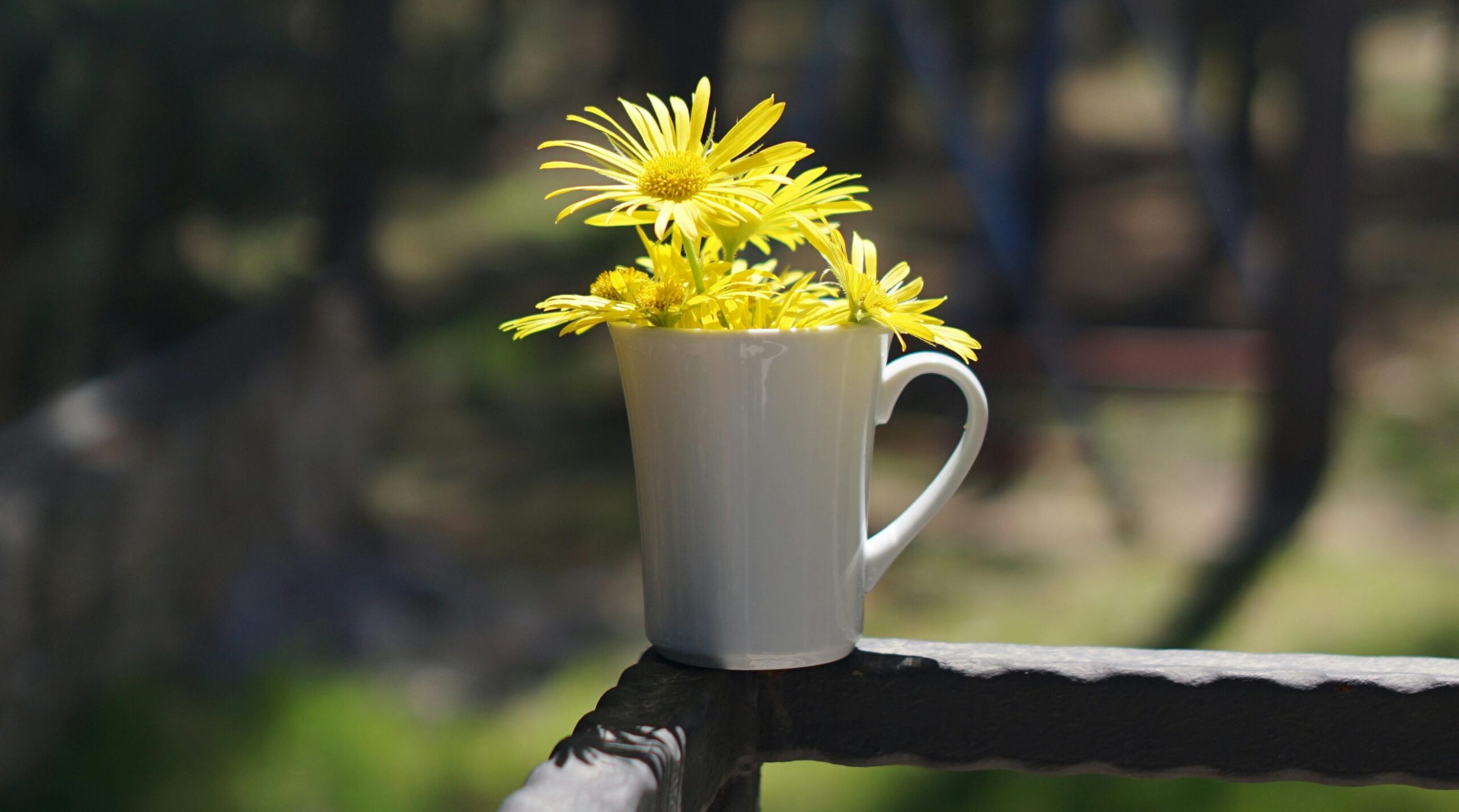
Refill Before You Break
There comes a moment in many people’s lives when giving becomes second nature—so natural, in fact, that it begins to overshadow the basic human need to receive. Some people are caretakers by choice, others by circumstance, and many grow into the role without ever realizing it. They become the helper, the fixer, the one others lean on, the one who understands, the one who holds everything together. And while this pattern often comes from love, empathy, and resilience, it can eventually take a toll.
You can devote yourself to caring for others until your body starts whispering—then speaking—then finally shouting that something is wrong. Emotional exhaustion rarely arrives suddenly. Instead, it shows up quietly in the small spaces of your day: the heavy sigh that comes out of nowhere, the tension in your shoulders that never quite goes away, the urge to cry for reasons you can’t explain, or the numbness that replaces joy.
If you’re feeling stretched thin or emotionally drained, consider this blog a gentle invitation to pause. Rest is not a luxury reserved for certain people or specific circumstances. Rest is a fundamental human requirement. At Joy Spring Mental Health, we believe that rest is a form of self-preservation—a way of honoring your emotional wellbeing so that you can show up for your life with clarity, balance, and authenticity.
This is a space to breathe. To reflect. To remember that you deserve the same compassion you offer so freely to others.
The Weight of Always Being the One Who Shows Up
Many people occupy the role of “the strong one” in their families, friendships, or workplaces. They’re the person others turn to for advice, comfort, and problem-solving. Often, they wear this identity quietly. Being dependable becomes part of who they are, so much so that they rarely—and sometimes never—ask for support in return.
When you are the strong one, others may not notice your fatigue. You might be so competent, so reliable, so emotionally resourceful that people assume you’re always okay. But strength does not mean endless capacity. Reliability does not mean invulnerability. Beneath the surface, many strong people carry exhaustion that goes unseen.
Givers often find it incredibly difficult to say no. Limits feel uncomfortable. Boundaries feel foreign. And because giving is familiar, stepping back can feel selfish—even when your body and mind are begging for rest. You might fear disappointing others, appearing unreliable, or disrupting the role you’ve always held.
But no one can remain strong all the time. Without rest, even the most resilient people eventually begin to feel the weight of their responsibilities. Fatigue becomes fog. Presence becomes autopilot. Emotional bandwidth shrinks until even small tasks feel heavy.
If you have ever felt depleted, overwhelmed, or unseen in your efforts, remember this: you are not weak for needing rest. You are human.
Why We Ignore Our Need for Rest
People learn to deprioritize rest for many reasons, usually formed long before adulthood. Some grew up in environments where productivity was praised and rest was discouraged. Others were taught that self-worth comes from being useful, responsible, or strong. Many learned to put themselves last because it was the only way to keep the peace or maintain stability in their family.
These beliefs can linger for years, shaping how you treat yourself without you even realizing it.
Some people fear rest because slowing down forces them to confront emotions they’ve been avoiding—grief, stress, loneliness, disappointment. For others, staying busy becomes a familiar kind of protection, a way to outrun discomfort or silence.
People in helping professions often become especially vulnerable to burnout. Therapists, teachers, nurses, caregivers, social workers, and first responders often feel pressure to support others no matter how depleted they become. Parents—especially mothers—may feel guilty taking a moment for themselves because it disrupts the expectation that they must always be available.
High achievers may resist rest because their identity is intertwined with productivity. Rest can feel like losing momentum or failing to meet expectations.
But no matter the origin, the belief that rest is optional is untrue. Humans are not built for nonstop output. The body demands recovery. The mind needs quiet moments. The heart needs time to soften, recalibrate, and breathe.
Ignoring your need for rest doesn’t make you stronger—it makes you disconnected from yourself.
The Emotional Cost of Pouring From an Empty Cup
When giving becomes a habit and rest becomes an afterthought, the emotional cost grows silently in the background.
At first, the signs are subtle. For example, you might feel slightly more irritable than usual or find it harder to focus. As time goes on, you might feel overwhelmed by tasks you once managed with ease. Eventually, you might withdraw socially—not because you want distance, but because you feel too drained to participate.
Over time, continuous overgiving can lead to a deep sense of disconnect. You might notice that you show up for others even when you have nothing left inside. You might find yourself engaging out of obligation instead of genuine desire. This creates emotional strain, resentment, and guilt—which can make rest feel even more unreachable.
Some people pour into others as a way to avoid acknowledging their own emotional needs. Focusing on someone else can feel easier than sitting with your own feelings. But ignoring your internal experience does not protect you—it only prolongs the exhaustion.
The emotional cost of pouring from an empty cup shows up in ways that are often misunderstood:
- You may feel unexplainably overwhelmed.
- You may feel disconnected from joy or pleasure.
- You may struggle to feel present during meaningful moments.
- You may feel resentful or unappreciated.
- You may feel like you’ve lost part of yourself.
These are not failures. They are symptoms of a life lived without enough replenishment.
The Science Behind Why Rest Matters
Rest is not indulgent. It’s foundational.
When you’re under stress—physical, emotional, or mental—the body activates the sympathetic nervous system (the fight-or-flight response). This system is meant to help you handle immediate threats, not long-term pressure. But many people live in fight-or-flight for months, sometimes years, without realizing it.
Long-term stress can lead to:
- elevated cortisol
- chronic fatigue
- impaired concentration
- sleep disruption
- increased anxiety
- emotional overwhelm
- weakened immunity
- burnout
Rest allows the body to shift into the parasympathetic nervous system—the mode that supports healing, digestion, emotional regulation, and deep relaxation. It restores balance to your hormones, stabilizes your mood, and protects your physical health.
Rest is not just sleep. It includes emotional, mental, creative, sensory, spiritual, and social forms of rest. Each type replenishes a different part of your wellbeing.
When you rest, you are not being unproductive. You are rebuilding the internal capacity that sustains your emotional resilience, your compassion, your creativity, and your ability to cope with life’s demands.
A Gentle Reminder: You Are Allowed to Rest
You are allowed to rest simply because you need it—not because you earned it. In the same way, you are allowed to close your eyes and breathe, even when tasks are unfinished. Moreover, you are allowed to step back, even briefly, from expectations—both your own and others’. Most importantly, you are allowed to honor your body’s signals without apologizing for them.
Many people feel guilty when they rest, but guilt is not the voice of truth. Guilt is often the echo of old conditioning. It is the whisper of outdated rules you learned when you were younger, rules that no longer serve you.
Rest is not selfish. Rest is a form of emotional integrity. It is a way of acknowledging that your needs matter and your wellbeing is worth protecting.
The world does not benefit from your burnout.
Your loved ones do not thrive when you are depleted.
Your purpose does not grow when you are exhausted.
Rest allows you to show up with a full heart—not a hollowed one.
Simple Ways to Begin Replenishing Your Energy
Below are the original bullet points—now expanded into thoughtful, immersive paragraphs that flow naturally in the blog.
Take a few deep breaths.
Intentional breathing is a powerful entry point into rest because it is accessible anywhere and it works quickly. With each slow inhale, you invite calmness into your body. With each exhale, you release tension that has accumulated throughout the day. Deep breathing reminds your nervous system that you are safe. It anchors you to the present moment, loosening the mental grip of stress and inviting your body to soften. Just a minute or two of steady breathing can create a noticeable shift in how grounded and centered you feel.
Drink water mindfully.
Drinking water is one of the simplest ways to reconnect with your body. When you sip slowly—feeling the coolness, noticing the taste—you are signaling to yourself that your needs matter. Water nourishes your physical body, but the act of pausing to hydrate nourishes your emotional self as well. It is a brief moment of presence, a gentle pause in the busyness of your day. This tiny ritual is a reminder that even in the midst of stress, you can return to yourself through small, intentional acts of care.
Step outside.
Stepping outside offers a quick and natural reset. The change in air, light, and sound interrupts the internal noise that builds during a busy day. Nature has a grounding effect, whether you stand in the sunlight, feel the breeze on your skin, or simply look at the sky. Even a minute outdoors can slow your heart rate and shift your perspective. The world outside moves at a gentler pace than the world inside your mind, and connecting with it—however briefly—helps your body recalibrate.
Allow yourself to do nothing.
Doing nothing can feel uncomfortable, especially for people accustomed to constant activity or responsibility. But moments of stillness are essential for emotional balance. When you give yourself permission to pause without filling the space with tasks, you create room for your thoughts to settle. Stillness provides an emotional reset—a moment where you don’t have to perform, produce, or solve anything. It’s a quiet space where your body can rest and your mind can breathe. Allowing yourself to do nothing is not laziness; it is a powerful reminder that you are worthy of rest without needing to earn it.
The Link Between Rest and Compassion
Many people believe that resting reduces their ability to care for others, but the opposite is true. Compassion requires emotional capacity. Patience requires internal calm. Empathy requires spaciousness. When you are depleted, your emotional bandwidth shrinks. You may find yourself more reactive, more overwhelmed, or more detached—not because you care less, but because you have less to give.
Rest restores the inner resources that make compassion possible. It replenishes your ability to listen without feeling drained, to show up with presence instead of irritation, and to respond thoughtfully rather than react impulsively. When you allow yourself rest, you naturally create more room for warmth, gentleness, and connection. Rest makes you more available—not less—to the people you love.
Why Burnout Sneaks Up So Quietly
Burnout rarely announces itself in big, dramatic moments. Instead, it builds slowly, disguised as “just tired” or “just stressed.” Most people don’t realize they’re burning out until they’ve crossed the threshold into deep emotional fatigue.
Burnout begins as mild irritability or low energy, then shifts into mental fog or emotional numbness. Eventually, it affects motivation, relationships, and your sense of self. Tasks that once felt manageable suddenly feel overwhelming. Activities you used to enjoy may begin to feel like chores.
This slow progression is why burnout is often missed. People assume their exhaustion is temporary. They push through, thinking a weekend off or a short break will solve the problem. But burnout requires more than momentary rest—it requires a shift in how you care for yourself.
Recognizing burnout is not a sign of failure. It is a sign of awareness. It means you are listening to the signals that your body and mind have been sending for a long time.
Relearning How to Care for Yourself
For those who have spent years caring for others, self-care can feel unnatural—even uncomfortable. As a result, you may feel guilty when you take time for yourself. In addition, you may minimize your needs or convince yourself that others come first. And sometimes, you may even feel anxious or unsettled when you’re not busy helping.
Relearning how to care for yourself means challenging long-held beliefs about worthiness and rest. It means acknowledging that guilt is not a reliable indicator of wrongdoing—it is simply an old emotional pattern that needs compassion and rewiring.
Self-care is not indulgence. It is maintenance. Just as a home requires upkeep, your emotional wellbeing requires regular attention. You deserve the same tenderness you offer so readily to the people in your life.
The Power of Stillness in a Busy World
In a culture that glorifies productivity, stillness is often misunderstood. But stillness is not inactivity—it is intentional presence. It is the moment your mind unclenches and your body exhales. Stillness interrupts the relentless pace of modern life long enough for you to hear yourself again.
You do not need long periods of isolation to benefit from stillness. Even a few minutes can lower stress hormones, calm your nervous system, and restore clarity. Stillness helps you reconnect with what matters. It invites reflection, insight, and emotional grounding. Stillness reminds you that you are more than what you produce.
Letting Yourself Be Human
To refill your cup, you must remember that being human means having limits. For instance, you are not meant to carry everything. Similarly, you are not meant to be endlessly strong. And ultimately, you are not meant to meet every need around you without support.
Letting yourself be human means you allow yourself moments of exhaustion without shame. It means you acknowledge your feelings instead of pushing them away. It means asking for help when you need it, resting when you are tired, and saying no when your body or mind says no.
You deserve grace. You also deserve compassion. Most of all, you deserve to experience your humanness without apology.
Rest as an Act of Healing
Rest is not passive. It is an active form of healing. Each time you pause—whether to breathe, stretch, drink water, or sit in silence—you offer your body and mind a moment of repair. Rest does not require grand gestures. It involves small, consistent acts of gentleness.
Healing happens in the quiet moments: the breath that softens your chest, the stretch that releases tension, the sip of water that wakes your body, the silence that reconnects you with yourself. Rest creates the emotional and physical conditions where healing can take root.
Refilling Your Cup: A Lifelong Practice
Refilling your cup is not something you do once. It is something you commit to again and again. You will have seasons of stress, moments of emptiness, and times when rest feels difficult. But every time you choose to slow down—even for a moment—you strengthen your emotional resilience.
Some days will feel easier than others. Some days you will feel full. Other days you will feel depleted. What matters is not perfection but consistency. Rest is not a retreat from life—it is preparation for it.
A Gentle Closing from Joy Spring Mental Health
You give so much. You carry so much. And because of that, you deserve rest—not as a reward, but as a fundamental part of your wellbeing. After all, you cannot pour endlessly without replenishment. In the same way, you cannot carry everything alone.
Ultimately, rest is how you return to yourself. It’s how you reconnect with your strength. It’s also how you continue showing up with authenticity, compassion, and presence—even when life asks a lot of you.
So if you find yourself overwhelmed or unsure where to begin, support is available. In fact, reaching out for help is not weakness but wisdom. It is a recognition that you are not alone in your exhaustion, and that you don’t have to navigate your healing journey alone either.
Because the truth is:
Your wellbeing matters.
Your rest matters.
And most importantly, you deserve to feel grounded, cared for, and whole.