
Mindfulness Without Endurance
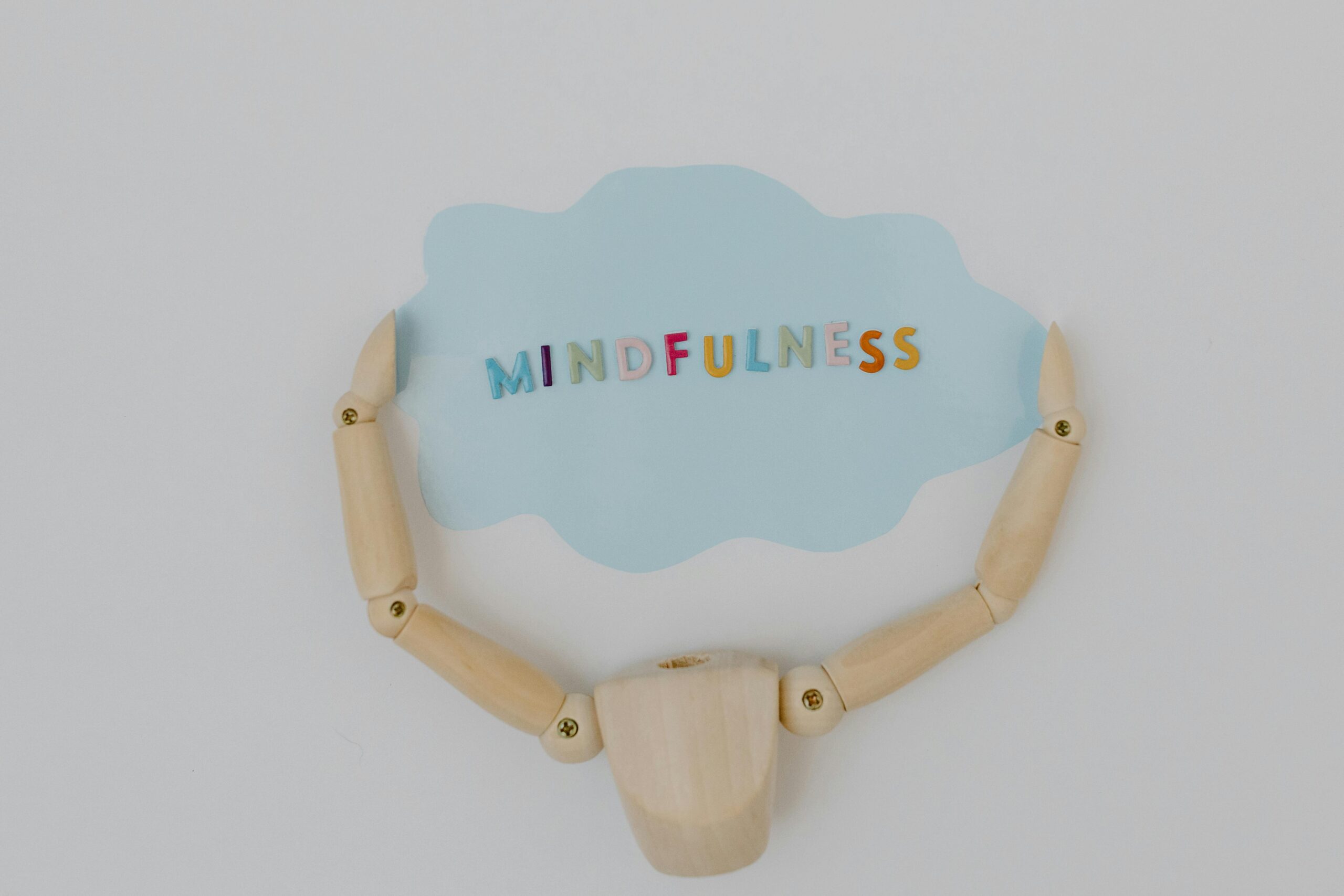
Mindfulness without endurance invites us to meet the present moment without the quiet pressure to push through it. Rather than gritting our teeth and “lasting” until discomfort passes, we soften our attention and allow experience to unfold as it is—messy, tender, incomplete. In this way, mindfulness becomes less about stamina and self-control, and more about honest presence: listening to the body’s signals, honoring limits, and discovering that care, not endurance, is what sustains us.
ADHD and Novelty: Finding Balance

For many people with ADHD, novelty is both a lifeline and a trap—it sparks motivation, focus, and creativity, yet too much of it can lead to burnout or constant restlessness. The brain’s craving for newness isn’t a flaw; it’s a signal that stimulation and meaning matter deeply. Finding balance means learning how to intentionally introduce novelty—small changes, flexible routines, or fresh challenges—without abandoning structure altogether. When novelty is used as a tool rather than chased endlessly, it can support consistency, reduce boredom, and help ADHD minds thrive instead of feeling overwhelmed.
Why Constant Positivity Can Harm You

Constant positivity can feel like a survival skill—stay upbeat, “look on the bright side,” keep moving—but when it becomes the only acceptable emotion, it can quietly harm you. It teaches you to override real signals like sadness, anger, fear, or grief, labeling them as failures instead of information, and that can delay healing or keep you stuck in the same patterns. Over time, “good vibes only” can make people feel isolated (“Why can’t I just be grateful?”), push problems underground where they grow louder, and even strain relationships because honest conversations get replaced with quick fixes and silver linings. Real wellbeing isn’t being positive all the time—it’s having the flexibility to feel what’s true, respond with compassion, and choose hope without denying reality.
The Safety of Routine

Routine doesn’t have to be rigid to be reassuring. When life feels uncertain, small, steady rhythms—making your coffee, jotting down a plan, taking a few quiet breaths—can create a sense of safety in your day. These simple acts remind your nervous system that you’re here, you’re capable, and you can meet this moment. Over time, gentle routines become an anchor: not a cage, but a supportive structure that helps you feel more grounded, even when everything else is in motion.
Care: A Cornerstone of Healing

Care is the quiet foundation of healing—the steady presence that makes growth feel possible. It shows up in small, intentional moments: being heard without judgment, feeling safe enough to rest, and knowing support is available even when words fall short. When care is consistent and compassionate, it creates the conditions for healing to take root, allowing individuals to move forward with greater trust, resilience, and hope.
New Year, No Reinvention Required

New year, new pressure to become someone else—but what if nothing is broken? Growth doesn’t always mean reinvention; sometimes it’s about honoring what already works and making room for steadier, kinder progress. This year can be less about fixing yourself and more about continuing forward with intention, curiosity, and compassion—exactly as you are.
Choosing Gentleness: You’re Allowed to Do Rest this December

Choosing gentleness this December means giving yourself permission to soften the pace, to rest without guilt, and to listen to what your body and heart are asking for. In a season that often glorifies busyness, rest is not something you have to earn—it’s something you’re allowed to receive. Even small moments of pause, quiet, and care can be acts of resilience, reminding you that slowing down is not falling behind, but coming back to yourself.
December: A Time to Reset

December is a gentle pause between what has been and what’s to come—a natural invitation to reset. As the year slows, we’re given space to reflect, release what no longer serves us, and reconnect with what truly matters. It’s not about rushing into resolutions, but about restoring balance, honoring growth, and entering the new year with clarity, intention, and compassion for ourselves.
Holiday Healing for the Heart

The holidays can bring warmth and connection—but they can also stir up grief, loneliness, and emotional exhaustion. Holiday Healing for the Heart is a gentle reminder that it’s okay to move at your own pace this season, honoring both joy and sorrow as they arise. Through intentional pauses, self-compassion, and supportive practices, healing becomes less about “getting through” the holidays and more about tending to your heart with care, presence, and grace.
A Gentle Guide to Holiday Boundaries

The holidays can stir up joy, nostalgia, and stress all at once, making boundaries not only helpful but necessary. Setting gentle limits is an act of self-respect—it allows you to participate without overextending yourself emotionally, physically, or financially. Boundaries don’t have to be rigid or confrontational; they can sound like honest, kind statements that honor your needs while still valuing connection. When you give yourself permission to say no, take breaks, or do things differently, you create space for a holiday season that feels more grounded, intentional, and supportive of your well-being.