
Stop Spiraling: The Power of Grounding

When your thoughts start racing and anxiety pulls you into worst-case scenarios, grounding brings you back to what’s real and steady. Instead of chasing every “what if,” grounding gently redirects your focus to the present moment—your breath, your senses, your body. By anchoring yourself in the here and now, you interrupt the spiral, calm your nervous system, and create space to respond with clarity rather than fear.
Therapy Is Not a Performance

Therapy is not a performance. There is no script to follow, no gold star for saying the “right” thing, no award for being the most self-aware person in the room. It’s a space where you get to be unfinished, uncertain, and completely human. You don’t have to impress your therapist or package your pain into something polished and palatable. The work happens in the pauses, the contradictions, the messy honesty — not in perfection.
Mood Tracking: Make Sense of Mood Shifts

Mood tracking is a simple way to spot patterns behind your emotional ups and downs—so mood shifts feel less random and more understandable. By taking 30 seconds once or twice a day to rate your mood (and jot down what you were doing, who you were with, how you slept, what you ate, and any stressors), you start to see what reliably lifts you up or pulls you down. Over time, you may notice clues like “my mood dips after skipping lunch,” “I feel lighter after a short walk,” or “certain conversations leave me tense for hours.” The goal isn’t to judge your feelings—it’s to gather gentle, useful data so you can respond earlier, choose supportive habits, and talk about what’s happening with more clarity and confidence.
Overcoming Borrowed Urgency

Borrowed urgency is the pressure we feel to act on someone else’s timeline rather than our own values. It shows up in the rush to reply immediately, to say yes before we’ve checked our capacity, or to treat every request like an emergency. Overcoming borrowed urgency begins with a pause—long enough to ask, “Is this truly urgent, or am I absorbing someone else’s anxiety?” When we ground ourselves in our priorities and respond instead of react, we reclaim our time, protect our energy, and make decisions from clarity rather than pressure.
What “Strong” Can Hide

“Strong” is such a tidy word—easy to wear, hard to take off. It can look like keeping it together, showing up, smiling on cue, saying “I’m fine” with a steady voice. But sometimes “strong” is just a well-practiced way of disappearing: swallowing grief before it spills, shrinking needs until they’re silent, turning exhaustion into a badge, turning pain into productivity. It can hide the quiet fear of being a burden, the loneliness of always holding everyone else, the ache of wanting rest without having to earn it. And underneath all that effort, there’s a softer truth waiting to be seen: you don’t have to prove your worth by enduring—you’re allowed to be supported, messy, and human.
The “Delete 3” Rule to Beat Overwhelm

When overwhelm hits, use the “Delete 3” rule: pick three things you can remove from today—an unnecessary task, a non-urgent commitment, and one “nice-to-have” perfection upgrade. Delete them completely (not “later”), then take the next smallest action on what remains. This isn’t quitting—it’s clearing space so your energy goes to the few things that actually move the day forward, and you finish with relief instead of regret.
Make Joy Non-Negotiable
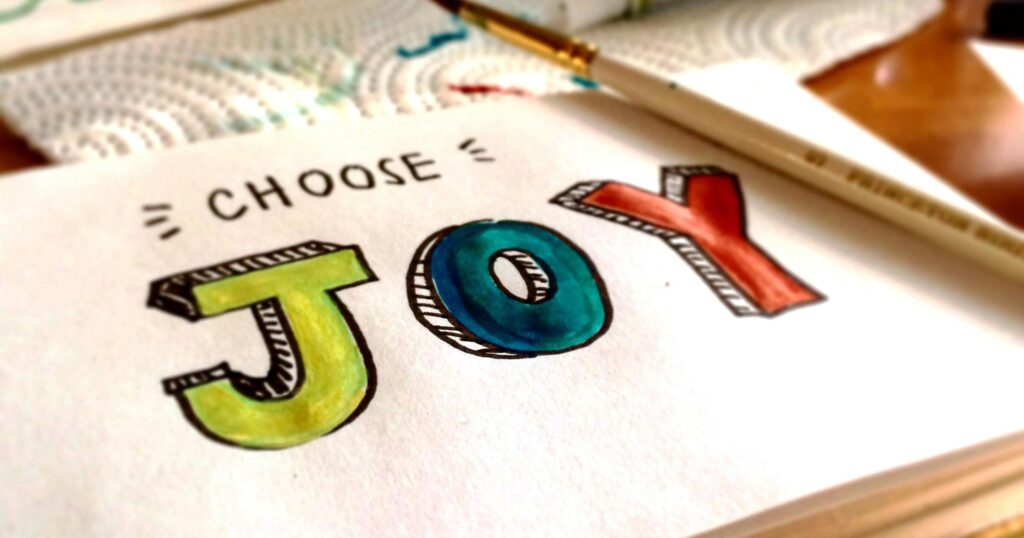
Make joy non-negotiable—not as a reward for when everything is finished, perfect, or approved, but as a daily standard for how you live and lead. Joy is not frivolous; it is fuel. When you treat your well-being, boundaries, rest, and meaningful connections as essential rather than optional, you build a life that sustains you instead of depletes you. Choosing joy on purpose—especially in small, ordinary moments—creates resilience, clarity, and the capacity to show up fully for the people and work that matter most.
Make Self-Care Last

Self-care isn’t a luxury you earn after everything else is done—it’s the foundation that helps everything else get done. When you constantly put your needs last, burnout, resentment, and exhaustion quietly build up. Making self-care last means making it sustainable: small, consistent practices that fit into your real life, not occasional grand gestures that feel impossible to maintain. A five-minute pause, a short walk, a boundary you honor, or a moment of deep breathing can shift your entire day. When you treat your well-being as essential rather than optional, you show up more present, patient, and resilient—for yourself and for everyone who depends on you.
Stress Can Look Like ADHD
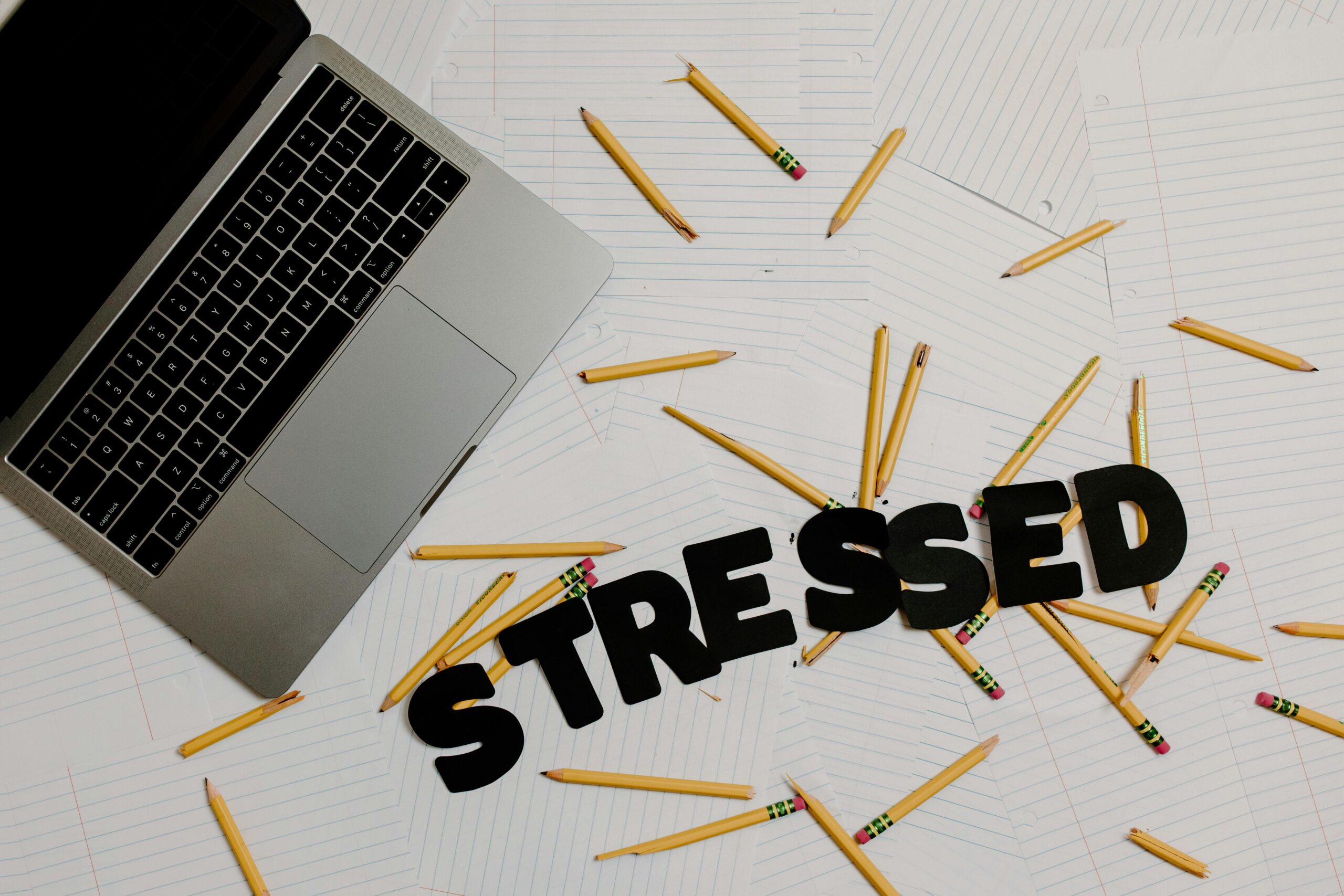
Stress can look a lot like ADHD—especially when your nervous system is overloaded. You might feel restless, scattered, and unable to focus, starting tasks but not finishing them, forgetting details, losing things, or jumping from one thought to the next. Under chronic stress, the brain prioritizes survival over organization, so planning, memory, impulse control, and emotional regulation can take a hit—making you seem “unmotivated” or “careless” when you’re actually overwhelmed. The key difference is that stress-driven symptoms often surge during demanding seasons and ease when you’re supported and rested, while ADHD patterns tend to be more consistent over time and across settings.
The In-Between Healing

In the in-between, healing doesn’t arrive like a grand reveal—it shows up quietly, in the ordinary moments you almost overlook. It’s the pause before you react, the breath you manage to take when your chest feels tight, the choice to soften your shoulders even when your mind keeps rehearsing old fears. The in-between can feel like nothing is happening, like you’re stuck between who you were and who you’re becoming, but this is often where the real work lives: messy, unglamorous, and deeply brave. Here, you learn to trust small shifts—the gentler self-talk, the boundaries you practice, the mornings that hurt a little less—and you begin to understand that progress isn’t always forward; sometimes it’s simply staying present long enough to let what’s tender become stronger.