
Screen-Tired and Soul-Weary

Screen-tired and soul-weary, we move through our days buffered by blue light and notifications, endlessly connected yet quietly disconnected from ourselves. Our eyes ache, our shoulders hunch, and our thoughts fragment into tabs we never fully close. Beneath the productivity and scrolling lives a softer truth: a longing to pause, to breathe without an agenda, to feel present in our own lives again. Somewhere beyond the glow of the screen, the soul waits patiently, asking not for more information, but for rest, meaning, and a moment of genuine human presence.
December: A Time to Reset

December is a gentle pause between what has been and what’s to come—a natural invitation to reset. As the year slows, we’re given space to reflect, release what no longer serves us, and reconnect with what truly matters. It’s not about rushing into resolutions, but about restoring balance, honoring growth, and entering the new year with clarity, intention, and compassion for ourselves.
Holiday Healing for the Heart

The holidays can bring warmth and connection—but they can also stir up grief, loneliness, and emotional exhaustion. Holiday Healing for the Heart is a gentle reminder that it’s okay to move at your own pace this season, honoring both joy and sorrow as they arise. Through intentional pauses, self-compassion, and supportive practices, healing becomes less about “getting through” the holidays and more about tending to your heart with care, presence, and grace.
A Gentle Guide to Holiday Boundaries

The holidays can stir up joy, nostalgia, and stress all at once, making boundaries not only helpful but necessary. Setting gentle limits is an act of self-respect—it allows you to participate without overextending yourself emotionally, physically, or financially. Boundaries don’t have to be rigid or confrontational; they can sound like honest, kind statements that honor your needs while still valuing connection. When you give yourself permission to say no, take breaks, or do things differently, you create space for a holiday season that feels more grounded, intentional, and supportive of your well-being.
The Mental Health Benefits of Gratitude

Practicing gratitude can have a powerful impact on mental health by gently shifting our focus from what feels lacking to what is already supporting us. Research shows that regularly acknowledging moments of appreciation—whether for people, experiences, or small daily comforts—can reduce symptoms of anxiety and depression, improve sleep, and strengthen emotional resilience. Over time, gratitude helps rewire the brain toward more balanced thinking, making it easier to cope with stress and cultivate a greater sense of calm, connection, and overall well-being.
Tiny Acts in Everyday Wellness

Tiny acts often hold the greatest power when it comes to nurturing our well-being. A deep breath before a meeting, a two-minute stretch between tasks, choosing a kind thought over a critical one—these small, intentional moments quietly reshape how we move through the day. When we treat wellness not as a grand achievement but as a series of gentle pauses and mindful choices, we create space for resilience, ease, and self-connection to flourish in even the busiest seasons of life. Let the tiny acts lead the way.
The Essence of Refilling Your Own Cup
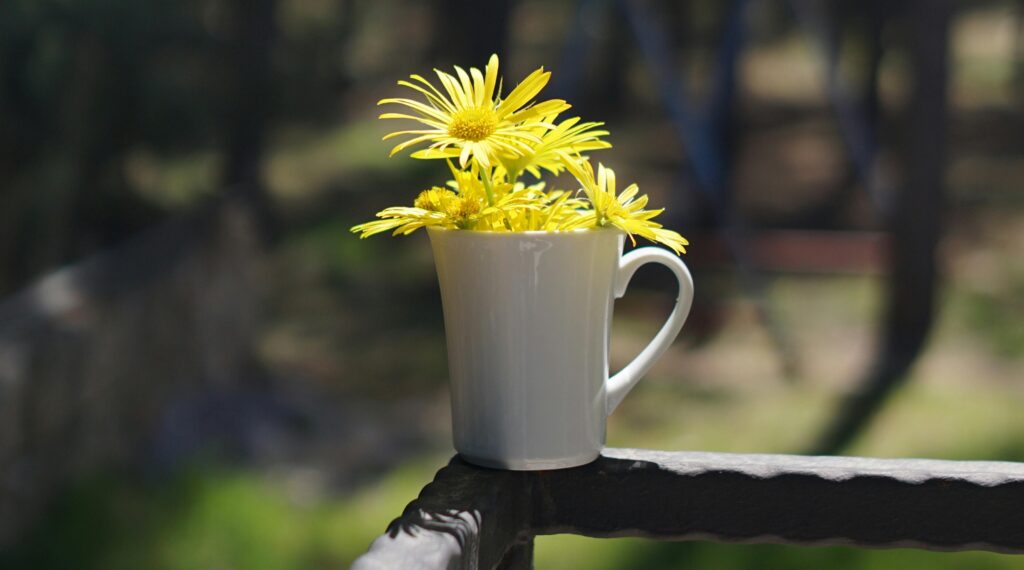
Refilling your own cup is not an act of selfishness—it’s the foundation of showing up with clarity, compassion, and resilience. When you pause to nourish your mind, body, and spirit, you create space to breathe again, to reconnect with what matters, and to move through life with intention rather than exhaustion. By honoring your own needs, you strengthen your capacity to support others, reminding yourself that restoration is not a luxury but a vital part of wholehearted living.
Boundaries That Bring You Closer

Boundaries that bring you closer are the limits that protect your emotional energy while creating space for deeper, more authentic connection. They’re not walls that shut people out, but gentle guidelines that help you show up with clarity, compassion, and self-respect. When you express what you need with honesty and kindness, relationships become safer, more stable, and more fulfilling—because the people in your life no longer have to guess how to love you well.
Rest: The Quiet Revolution

Rest is not a retreat from life but a quiet revolution against the relentless pace that drains our joy. It is the brave act of slowing down, of honoring the body’s whispers before they become cries, and of choosing presence over productivity. In the stillness, we recover the parts of ourselves scattered by busy days—clarity, creativity, and compassion return when we make space for them. Rest reminds us that we are human, not machines, and that our worth is not measured by our output but by our ability to live fully, gently, and awake.
Emotional Regulation: Learned, Not Innate

Emotional regulation isn’t something we’re simply born knowing how to do—it’s a skill we learn through support, practice, and modeling. From childhood onward, our ability to manage big feelings is shaped by the environments and relationships around us. For many adults, especially those who didn’t grow up with healthy emotional examples, regulation can feel challenging, but that doesn’t mean it’s out of reach. With awareness, compassion, and the right tools, anyone can strengthen their capacity to navigate emotions with greater clarity and stability.