
The Essence of Refilling Your Own Cup
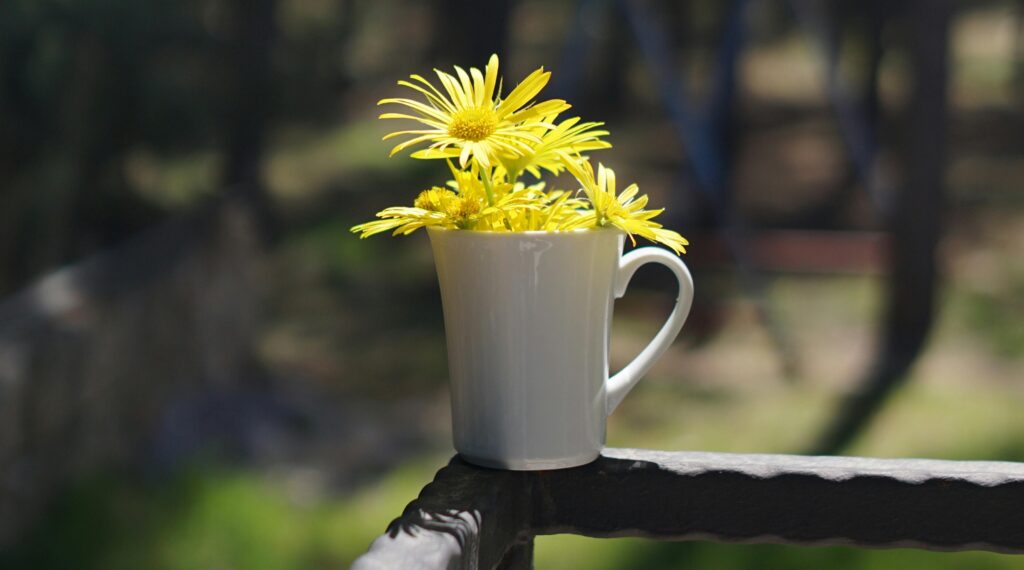
Refilling your own cup is not an act of selfishness—it’s the foundation of showing up with clarity, compassion, and resilience. When you pause to nourish your mind, body, and spirit, you create space to breathe again, to reconnect with what matters, and to move through life with intention rather than exhaustion. By honoring your own needs, you strengthen your capacity to support others, reminding yourself that restoration is not a luxury but a vital part of wholehearted living.
Boundaries That Bring You Closer
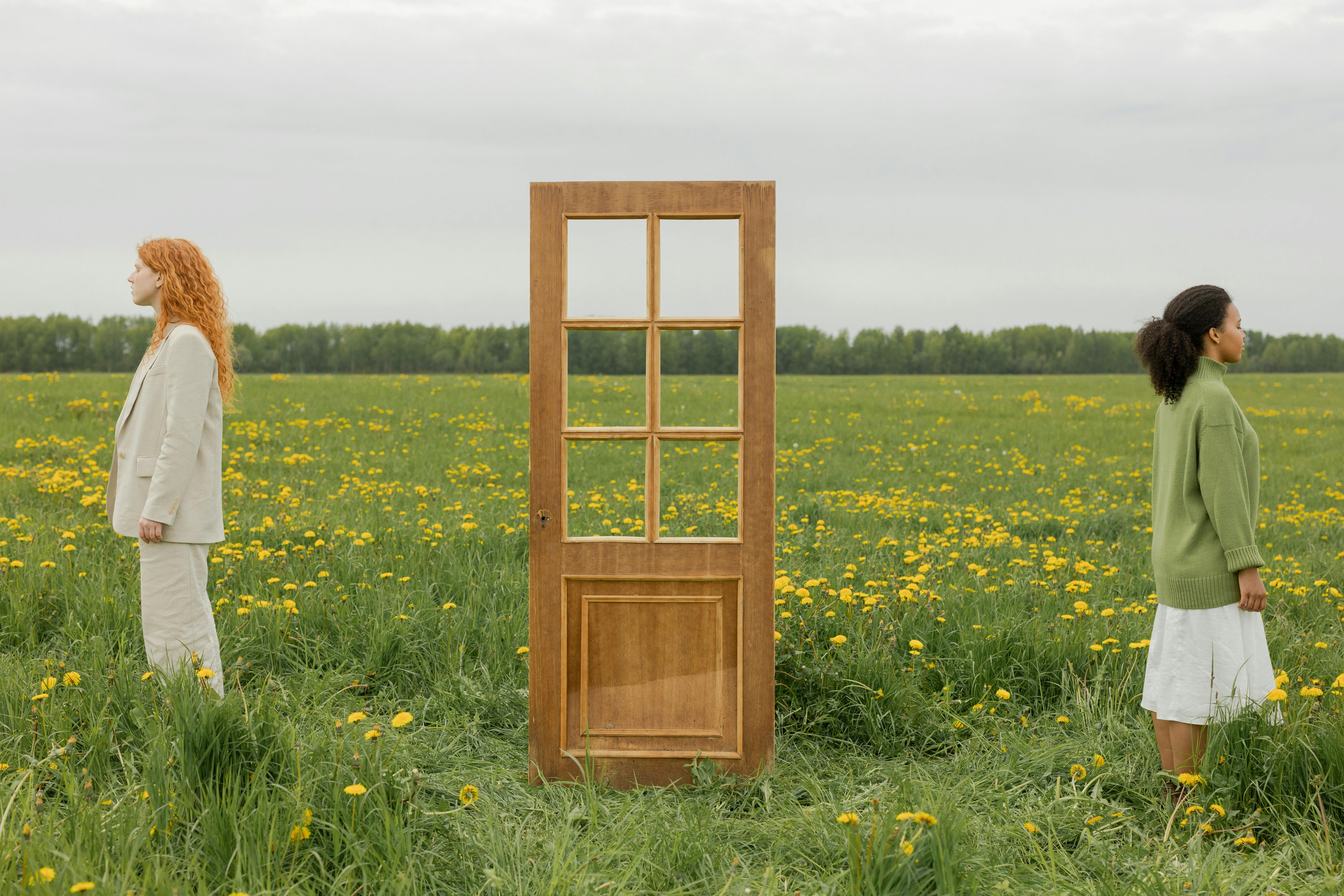
Boundaries that bring you closer are the limits that protect your emotional energy while creating space for deeper, more authentic connection. They’re not walls that shut people out, but gentle guidelines that help you show up with clarity, compassion, and self-respect. When you express what you need with honesty and kindness, relationships become safer, more stable, and more fulfilling—because the people in your life no longer have to guess how to love you well.
Rest: The Quiet Revolution

Rest is not a retreat from life but a quiet revolution against the relentless pace that drains our joy. It is the brave act of slowing down, of honoring the body’s whispers before they become cries, and of choosing presence over productivity. In the stillness, we recover the parts of ourselves scattered by busy days—clarity, creativity, and compassion return when we make space for them. Rest reminds us that we are human, not machines, and that our worth is not measured by our output but by our ability to live fully, gently, and awake.
Emotional Regulation: Learned, Not Innate

Emotional regulation isn’t something we’re simply born knowing how to do—it’s a skill we learn through support, practice, and modeling. From childhood onward, our ability to manage big feelings is shaped by the environments and relationships around us. For many adults, especially those who didn’t grow up with healthy emotional examples, regulation can feel challenging, but that doesn’t mean it’s out of reach. With awareness, compassion, and the right tools, anyone can strengthen their capacity to navigate emotions with greater clarity and stability.
When the Body Remembers
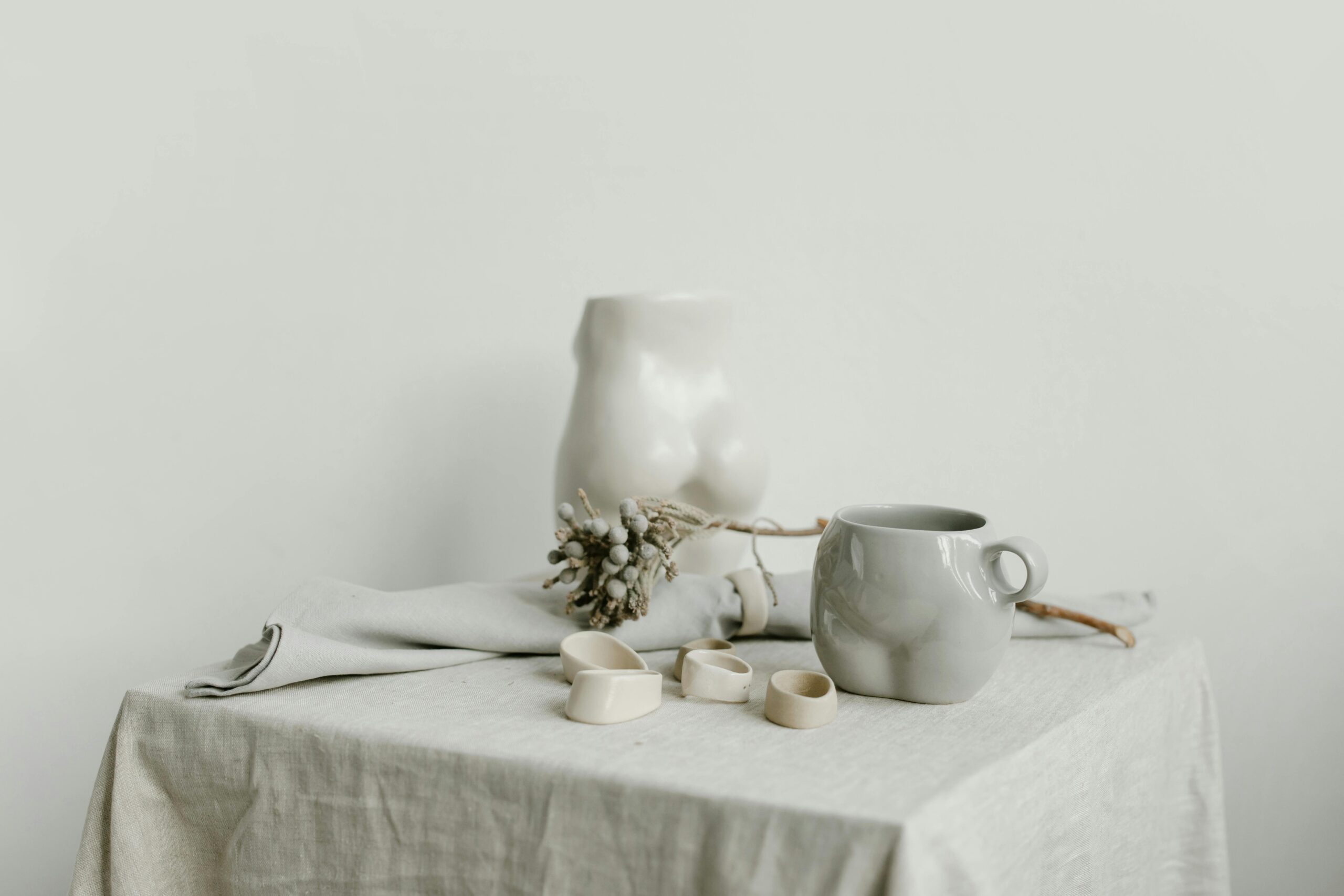
When the body remembers, it speaks in sensations long before words arrive—tightness in the chest, a flutter beneath the ribs, a heaviness that seems older than you are. It whispers stories you once tucked away for safekeeping, urging you to slow down, breathe, and listen. In these quiet moments, healing begins not with force, but with gentle curiosity, as you learn to honor the wisdom etched into your muscles, breath, and bones.
The Silent Thief of Healing: Comparison

Comparison is a silent thief that slips into the healing process unnoticed, quietly convincing us that our progress is too slow, too small, or somehow not enough. It distracts us from our own journey by pulling our gaze toward someone else’s, leaving us feeling inadequate rather than empowered. When we measure our healing against another person’s timeline, we overlook the courage it takes to simply keep going. True growth begins when we reclaim our attention, honor our unique path, and recognize that healing isn’t a race—it’s a deeply personal unfolding.
Mindfulness in Every Season

Each season offers its own invitation to practice mindfulness — a chance to slow down, tune in, and find balance amidst life’s natural cycles. Whether it’s embracing the fresh beginnings of spring, savoring the warmth and abundance of summer, grounding in the reflection of autumn, or finding stillness in winter’s quiet, mindfulness helps us align with the rhythm of nature. By staying present to the subtle changes around and within us, we can nurture gratitude, resilience, and a deeper sense of peace throughout the year.
A Mindful Guide to Living in the Present
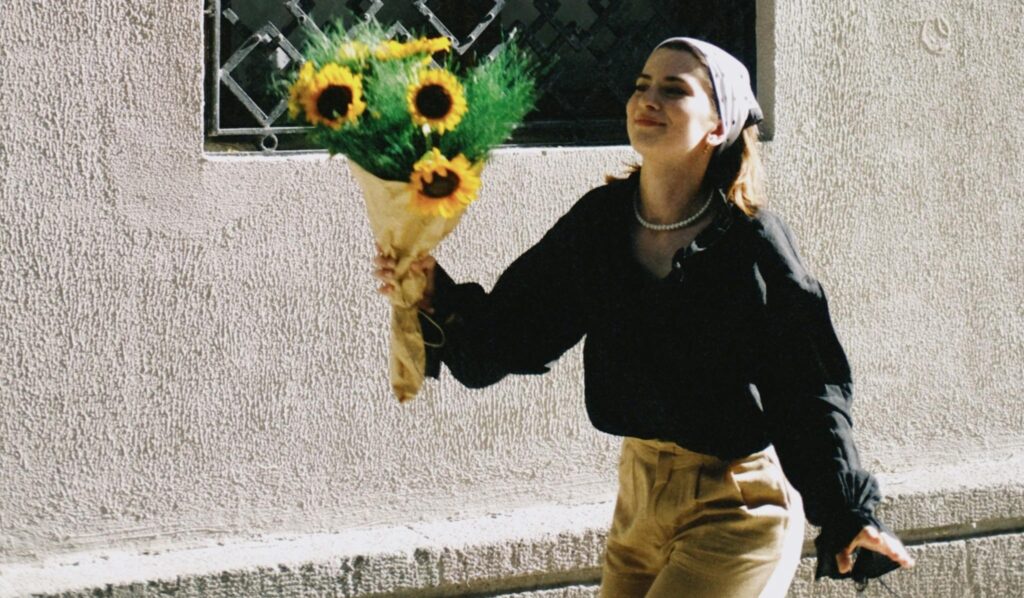
Living in the present is both an art and a practice—one that invites us to let go of regrets about the past and worries about the future. In A Mindful Guide to Living in the Present, we learn to anchor ourselves in the here and now, cultivating awareness through simple acts like conscious breathing, gratitude, and self-compassion. Each moment becomes an opportunity to experience life fully, to connect deeply with ourselves and others, and to find peace not in what could be, but in what already is.
Wholeness: Where Light Meets Shadow

In the meeting place of light and shadow, wholeness is born. It is not in denying the darkness nor clinging to the light that we find peace, but in embracing the full spectrum of our being. When we allow both radiance and shadow to exist within us, we begin to understand that healing is not perfection—it is integration. Wholeness is the art of holding contradiction with compassion.
Movement Is Medicine: Healing Through Motion
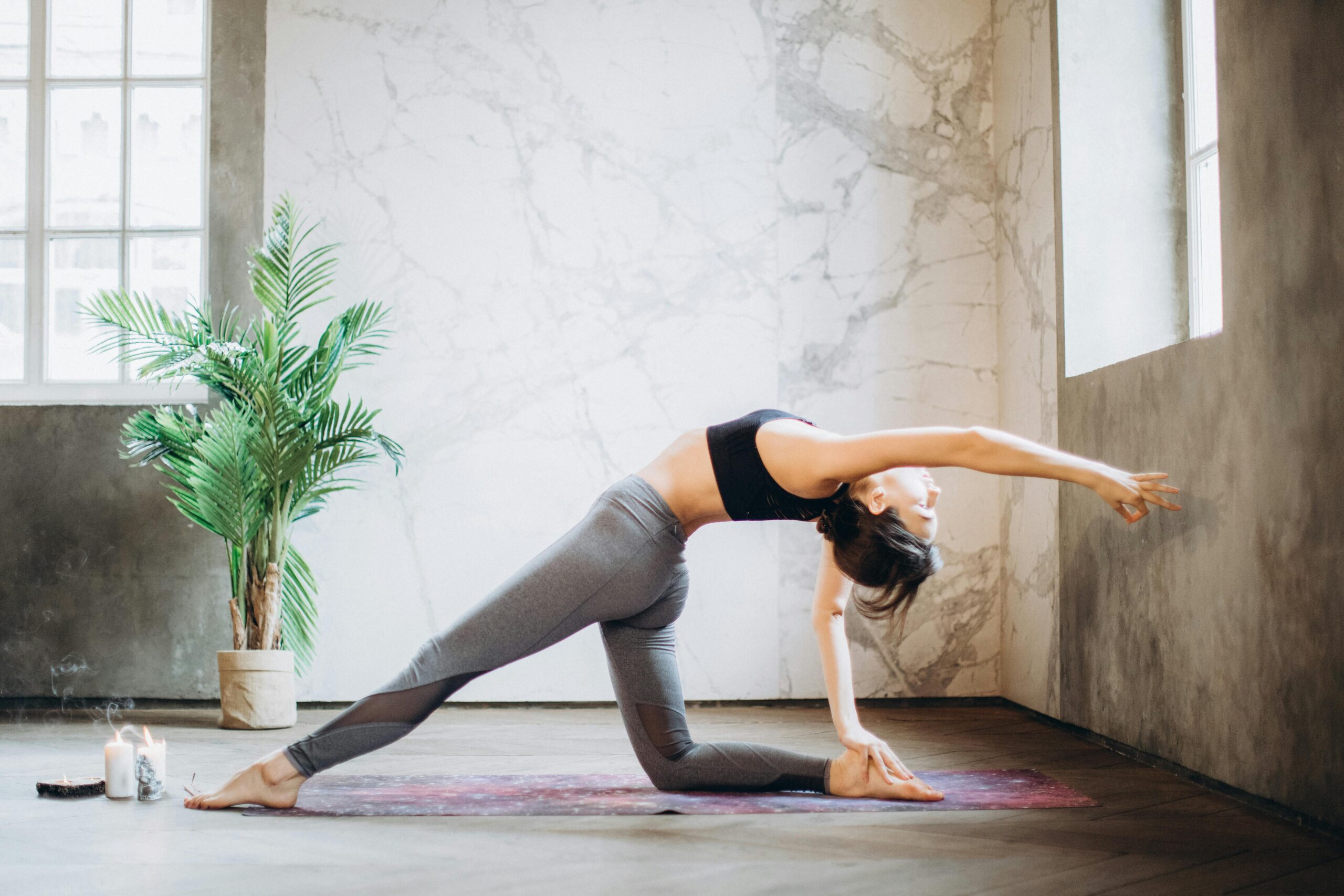
Movement is medicine — a reminder that healing doesn’t always come in stillness. Through intentional movement, our bodies release tension, our minds find clarity, and our spirits reconnect with vitality. Whether it’s a gentle walk, a stretch between tasks, or dancing freely to your favorite song, motion becomes a bridge between the physical and emotional self. Each step, breath, and rhythm invites restoration and reminds us that our bodies were made to move — and through that movement, to heal.