
Living in a Gentle Rhythm

Discover how to slow down, reconnect with yourself, and create a more intentional way of living. “Living in a Gentle Rhythm” explores simple, mindful practices that help you cultivate ease, reduce stress, and move through your days with clarity, balance, and compassion.
Boundaries That Bring You Closer
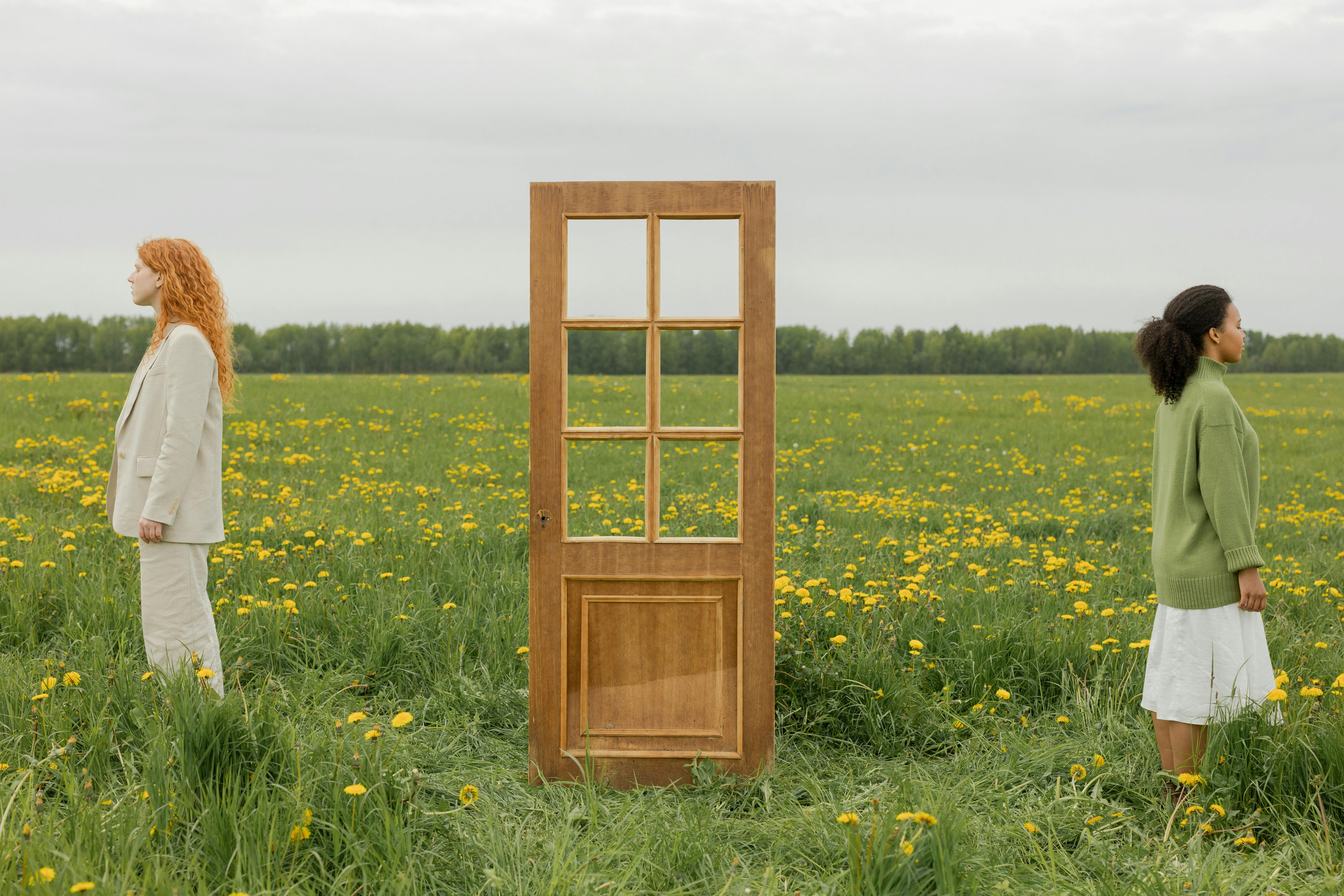
Boundaries that bring you closer are the limits that protect your emotional energy while creating space for deeper, more authentic connection. They’re not walls that shut people out, but gentle guidelines that help you show up with clarity, compassion, and self-respect. When you express what you need with honesty and kindness, relationships become safer, more stable, and more fulfilling—because the people in your life no longer have to guess how to love you well.
Burnout Isn’t Commitment

Burnout isn’t a sign of dedication—it’s a signal that something within you has been pushed past its limits. At Joy Spring Mental Health, we believe true commitment shouldn’t cost your well-being. When exhaustion, irritability, or a sense of numbness start creeping in, it’s your mind and body asking for care, not more pressure. You deserve sustainable support, healthy boundaries, and space to restore your energy so you can show up as your best self—without sacrificing your own mental health.
Rest: The Quiet Revolution

Rest is not a retreat from life but a quiet revolution against the relentless pace that drains our joy. It is the brave act of slowing down, of honoring the body’s whispers before they become cries, and of choosing presence over productivity. In the stillness, we recover the parts of ourselves scattered by busy days—clarity, creativity, and compassion return when we make space for them. Rest reminds us that we are human, not machines, and that our worth is not measured by our output but by our ability to live fully, gently, and awake.
Emotional Regulation: Learned, Not Innate

Emotional regulation isn’t something we’re simply born knowing how to do—it’s a skill we learn through support, practice, and modeling. From childhood onward, our ability to manage big feelings is shaped by the environments and relationships around us. For many adults, especially those who didn’t grow up with healthy emotional examples, regulation can feel challenging, but that doesn’t mean it’s out of reach. With awareness, compassion, and the right tools, anyone can strengthen their capacity to navigate emotions with greater clarity and stability.
Therapy: A Safe Container for Hard Emotions

Therapy offers a safe, grounding container where hard emotions can be felt without fear or judgment. It’s a space to unpack what feels overwhelming, understand your inner world, and gently move toward healing with support.
When the Body Remembers

When the body remembers, it speaks in sensations long before words arrive—tightness in the chest, a flutter beneath the ribs, a heaviness that seems older than you are. It whispers stories you once tucked away for safekeeping, urging you to slow down, breathe, and listen. In these quiet moments, healing begins not with force, but with gentle curiosity, as you learn to honor the wisdom etched into your muscles, breath, and bones.
The Silent Thief of Healing: Comparison

Comparison is a silent thief that slips into the healing process unnoticed, quietly convincing us that our progress is too slow, too small, or somehow not enough. It distracts us from our own journey by pulling our gaze toward someone else’s, leaving us feeling inadequate rather than empowered. When we measure our healing against another person’s timeline, we overlook the courage it takes to simply keep going. True growth begins when we reclaim our attention, honor our unique path, and recognize that healing isn’t a race—it’s a deeply personal unfolding.
When Ears Heal More Than Answers

Sometimes, what we need most isn’t advice or solutions—it’s someone who truly listens. At Joy Spring Mental Health, we believe healing begins when your story is heard with compassion and without judgment. This piece explores the quiet power of listening, reminding us that empathy can be the bridge to understanding, connection, and emotional growth.
From Therapist’s Space to Your Own Strength

In the quiet of a therapist’s space, we begin to untangle the thoughts and emotions that weigh us down. Over time, that same safe space helps you rediscover your own resilience—the inner strength that carries you through life’s challenges. Healing isn’t about dependence, but about learning to trust yourself again and finding power in your own growth.