 Skip to content
Stress Can Look Like ADHD
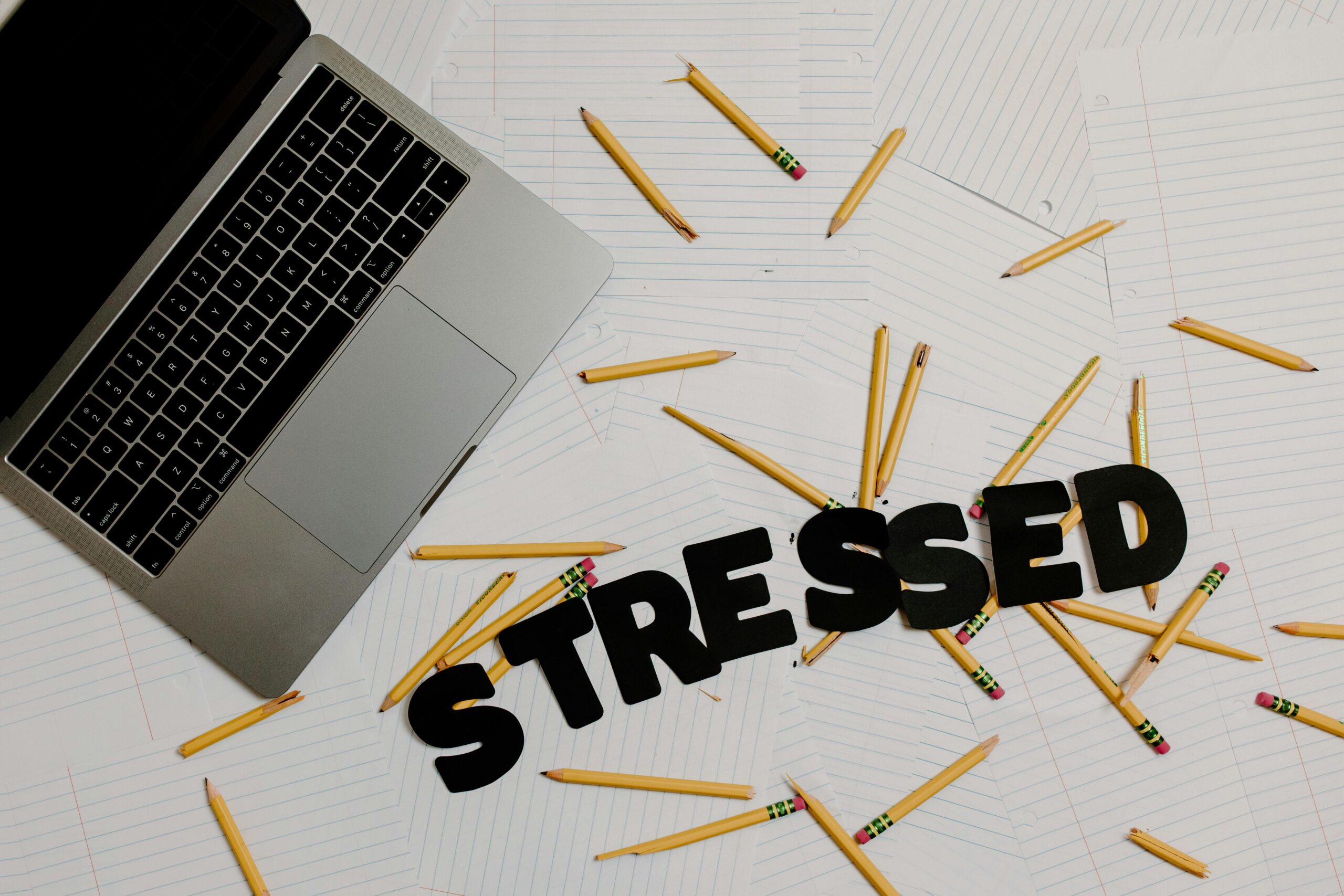
Stress can look a lot like ADHD—especially when your nervous system is overloaded. You might feel restless, scattered, and unable to focus, starting tasks but not finishing them, forgetting details, losing things, or jumping from one thought to the next. Under chronic stress, the brain prioritizes survival over organization, so planning, memory, impulse control, and emotional regulation can take a hit—making you seem “unmotivated” or “careless” when you’re actually overwhelmed. The key difference is that stress-driven symptoms often surge during demanding seasons and ease when you’re supported and rested, while ADHD patterns tend to be more consistent over time and across settings.
The In-Between Healing

In the in-between, healing doesn’t arrive like a grand reveal—it shows up quietly, in the ordinary moments you almost overlook. It’s the pause before you react, the breath you manage to take when your chest feels tight, the choice to soften your shoulders even when your mind keeps rehearsing old fears. The in-between can feel like nothing is happening, like you’re stuck between who you were and who you’re becoming, but this is often where the real work lives: messy, unglamorous, and deeply brave. Here, you learn to trust small shifts—the gentler self-talk, the boundaries you practice, the mornings that hurt a little less—and you begin to understand that progress isn’t always forward; sometimes it’s simply staying present long enough to let what’s tender become stronger.
You’re Not Doing Mindfulness Wrong

Mindfulness isn’t a performance, and it isn’t a test you can fail. If your mind wanders, if you feel restless, if you can’t “clear your thoughts,” you’re not doing it wrong—you’re doing the most human part of it: noticing what’s already happening. The goal isn’t to force calm or manufacture peace; it’s to practice meeting your experience as it is, even when it’s messy, loud, or uncomfortable. Every time you realize you’ve drifted and gently return—back to the breath, the body, the sounds around you—you’ve just completed the rep that matters. That return is mindfulness.
Your Gut and Your Mind: The Hidden Link
Your gut and your mind are in constant conversation—far more than most people realize. Inside your digestive system lives a bustling ecosystem of bacteria and nerve cells that helps produce key brain chemicals, including ones involved in mood, stress response, and sleep. When your gut is irritated, inflamed, or out of balance, that “noise” can travel upward through the gut–brain axis, showing up as anxiety, foggy thinking, low motivation, or a sense of being emotionally on edge. The good news is the connection works both ways: chronic stress can disrupt digestion, but supportive habits—steady meals, fiber-rich foods, hydration, movement, and calming practices—can help your gut feel safer, and your mind often follows.
Burnout Brain Fog: Why Memory and Focus Fade

Burnout brain fog can feel like your mind is stuck in low battery mode—words slip away, focus fractures, and even simple tasks take extra effort. It’s not that you’re “getting worse” or suddenly unmotivated; it’s that chronic stress keeps your nervous system on high alert, draining the mental fuel your brain needs for attention, working memory, and clear thinking. When you’ve been running on pressure and too little recovery, your brain starts prioritizing survival and speed over nuance and recall—so you forget why you walked into a room, reread the same sentence, or struggle to start. The good news: brain fog is often a signal, not a sentence—one that improves when rest becomes non-negotiable and your workload, sleep, and stress cycles finally get room to reset.
Stuck in Survival Mode
Stuck in survival mode can feel like living with your shoulders permanently tense, your mind always scanning for the next problem to solve. Even when life looks “okay” on the outside, your nervous system may still be operating as if danger is just around the corner—making rest feel uncomfortable and joy feel out of reach. This state isn’t a personal failure; it’s a learned response to prolonged stress, overwhelm, or trauma. With awareness, support, and gentle regulation, it’s possible to move from merely surviving to feeling safe enough to truly live.
Mindfulness Without Endurance
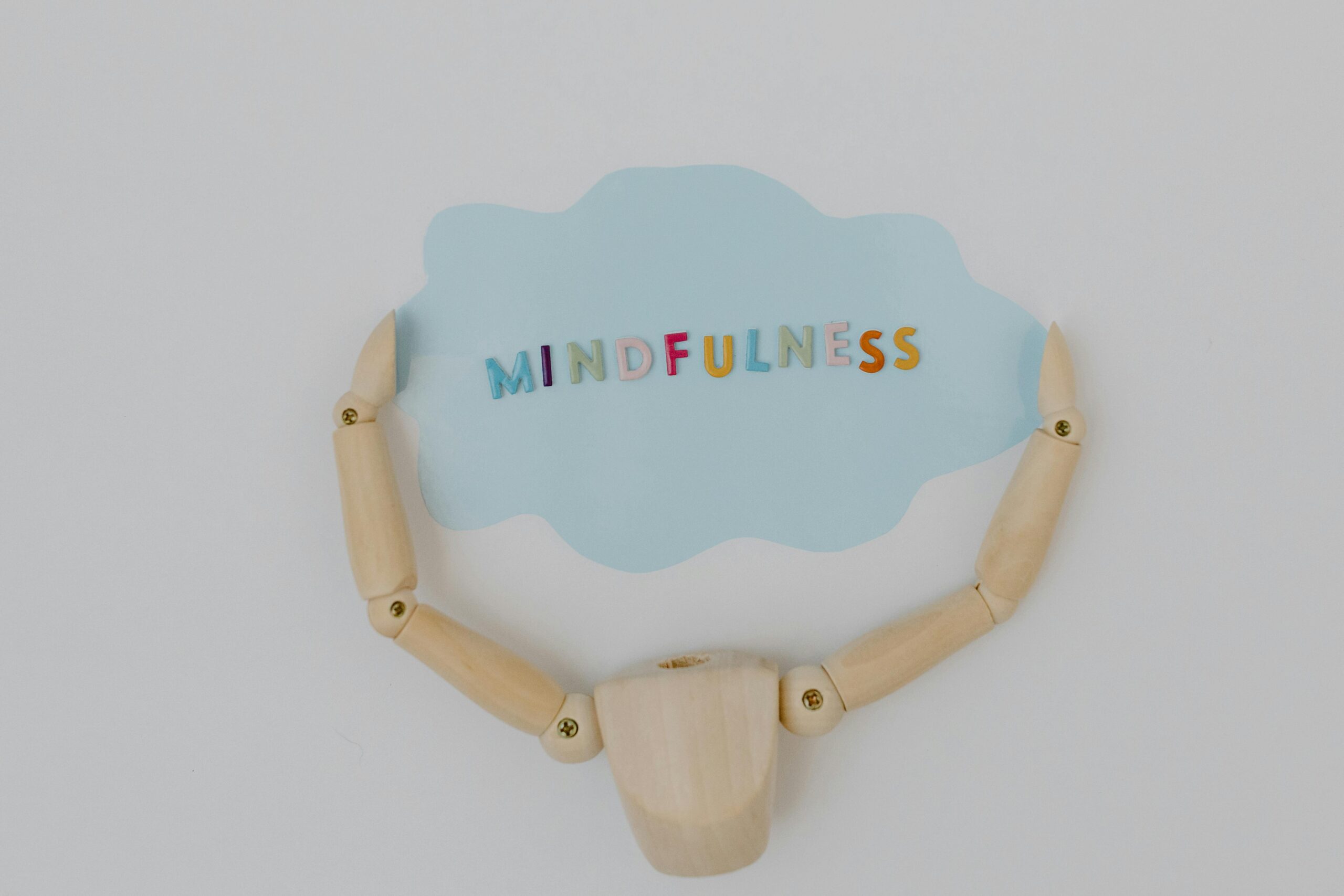
Mindfulness without endurance invites us to meet the present moment without the quiet pressure to push through it. Rather than gritting our teeth and “lasting” until discomfort passes, we soften our attention and allow experience to unfold as it is—messy, tender, incomplete. In this way, mindfulness becomes less about stamina and self-control, and more about honest presence: listening to the body’s signals, honoring limits, and discovering that care, not endurance, is what sustains us.
The Hormone Link : Why Emotions Feel More Intense

The Hormone Link: Why Emotions Feel More Intense explores how hormonal shifts can amplify emotional experiences, making feelings like anxiety, irritability, or sadness feel overwhelming at times. At Joy Spring, we unpack the powerful connection between hormones and mental health—helping you understand what’s happening in your body and why your emotions may feel heightened—so you can respond with clarity, self-compassion, and the right support.
ADHD and Novelty: Finding Balance
For many people with ADHD, novelty is both a lifeline and a trap—it sparks motivation, focus, and creativity, yet too much of it can lead to burnout or constant restlessness. The brain’s craving for newness isn’t a flaw; it’s a signal that stimulation and meaning matter deeply. Finding balance means learning how to intentionally introduce novelty—small changes, flexible routines, or fresh challenges—without abandoning structure altogether. When novelty is used as a tool rather than chased endlessly, it can support consistency, reduce boredom, and help ADHD minds thrive instead of feeling overwhelmed.
Why Constant Positivity Can Harm You
Constant positivity can feel like a survival skill—stay upbeat, “look on the bright side,” keep moving—but when it becomes the only acceptable emotion, it can quietly harm you. It teaches you to override real signals like sadness, anger, fear, or grief, labeling them as failures instead of information, and that can delay healing or keep you stuck in the same patterns. Over time, “good vibes only” can make people feel isolated (“Why can’t I just be grateful?”), push problems underground where they grow louder, and even strain relationships because honest conversations get replaced with quick fixes and silver linings. Real wellbeing isn’t being positive all the time—it’s having the flexibility to feel what’s true, respond with compassion, and choose hope without denying reality.
