
A Mindful Guide to Living in the Present

Living in the present is both an art and a practice—one that invites us to let go of regrets about the past and worries about the future. In A Mindful Guide to Living in the Present, we learn to anchor ourselves in the here and now, cultivating awareness through simple acts like conscious breathing, gratitude, and self-compassion. Each moment becomes an opportunity to experience life fully, to connect deeply with ourselves and others, and to find peace not in what could be, but in what already is.
You Can Grow Through What You Go Through
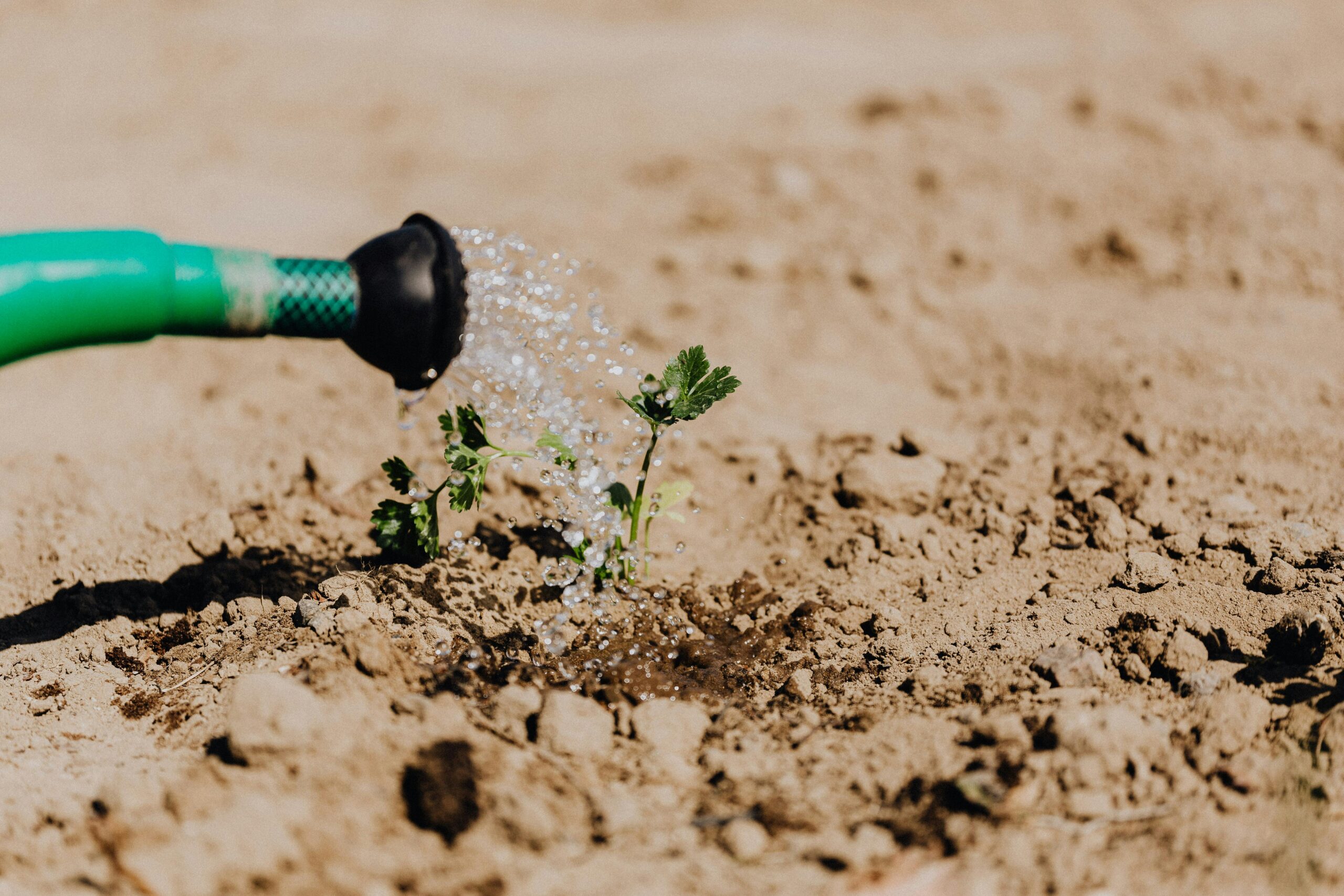
You can grow through what you go through” is a reminder that every challenge carries the seed of transformation. Growth doesn’t come from avoiding pain but from embracing it with courage and reflection. Each hardship refines your resilience, deepens your empathy, and shapes your character. What once felt like a breaking point can become a breakthrough when you choose to learn, heal, and rise stronger. Every struggle you endure can serve as soil for your next season of growth.
Wholeness: Where Light Meets Shadow

In the meeting place of light and shadow, wholeness is born. It is not in denying the darkness nor clinging to the light that we find peace, but in embracing the full spectrum of our being. When we allow both radiance and shadow to exist within us, we begin to understand that healing is not perfection—it is integration. Wholeness is the art of holding contradiction with compassion.
Movement Is Medicine: Healing Through Motion

Movement is medicine — a reminder that healing doesn’t always come in stillness. Through intentional movement, our bodies release tension, our minds find clarity, and our spirits reconnect with vitality. Whether it’s a gentle walk, a stretch between tasks, or dancing freely to your favorite song, motion becomes a bridge between the physical and emotional self. Each step, breath, and rhythm invites restoration and reminds us that our bodies were made to move — and through that movement, to heal.
When the Body Speaks

Our bodies are always communicating — even when words fall short. A tight chest, a clenched jaw, or lingering fatigue may be messages we’ve learned to ignore. But what if we listened? When the body speaks, it tells the story of stress, emotion, and experience that the mind may try to silence. Learning to interpret these signals isn’t weakness — it’s wisdom.
Naming Emotions: Bridge Between Chaos and Calm

When we take the time to identify and label what we feel—sadness, anger, fear, joy—we give our emotions form and meaning instead of letting them swirl uncontrollably within us. This act of naming creates distance between ourselves and the feeling, allowing us to respond thoughtfully rather than react impulsively. In essence, naming emotions turns confusion into clarity and opens the door to emotional regulation, healing, and peace.
Your Nervous System, Your Way: Finding the Support That Fits
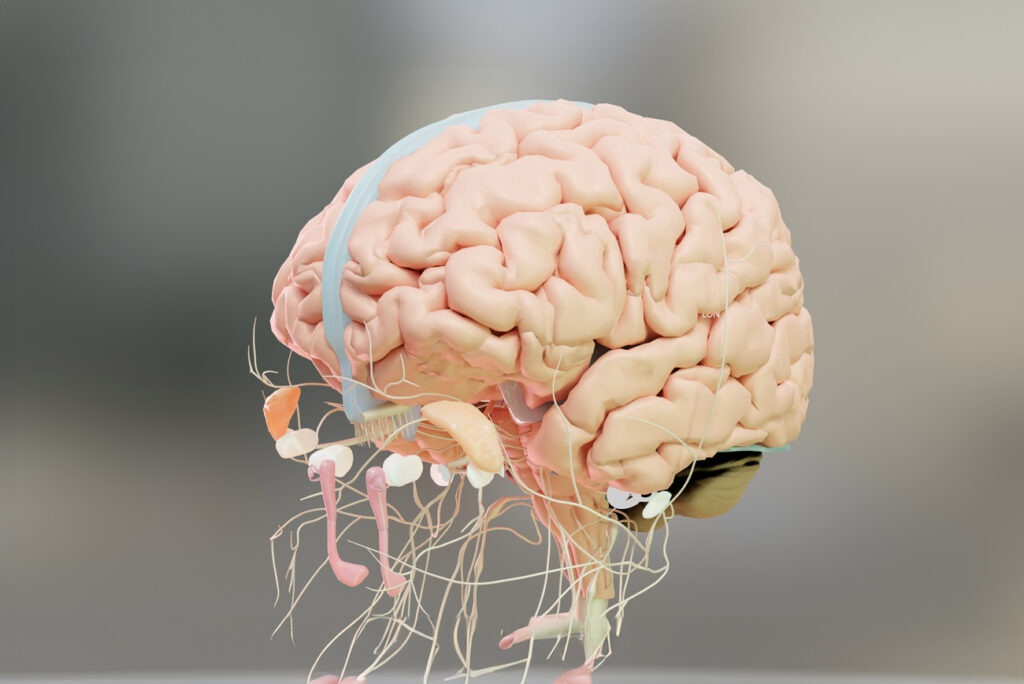
Discover how to nurture your well-being by understanding your unique nervous system. Your Nervous System, Your Way: Finding the Support That Fits helps you explore personalized strategies for regulation, resilience, and balance—empowering you to find the tools and approaches that truly work for you.
The Pause That Heals: Turning Setbacks Into Self-Care

We’re reminded that not every obstacle is a dead end—sometimes it’s an invitation to rest, reflect, and realign. When life forces us to slow down, it’s not a sign of weakness but an opportunity to nurture our mental, emotional, and physical well-being. By embracing stillness and compassion instead of frustration, we learn that healing often happens in the quiet spaces between our plans, transforming setbacks into moments of profound growth and self-discovery.
Stillness Speaks: Finding Peace in the Present
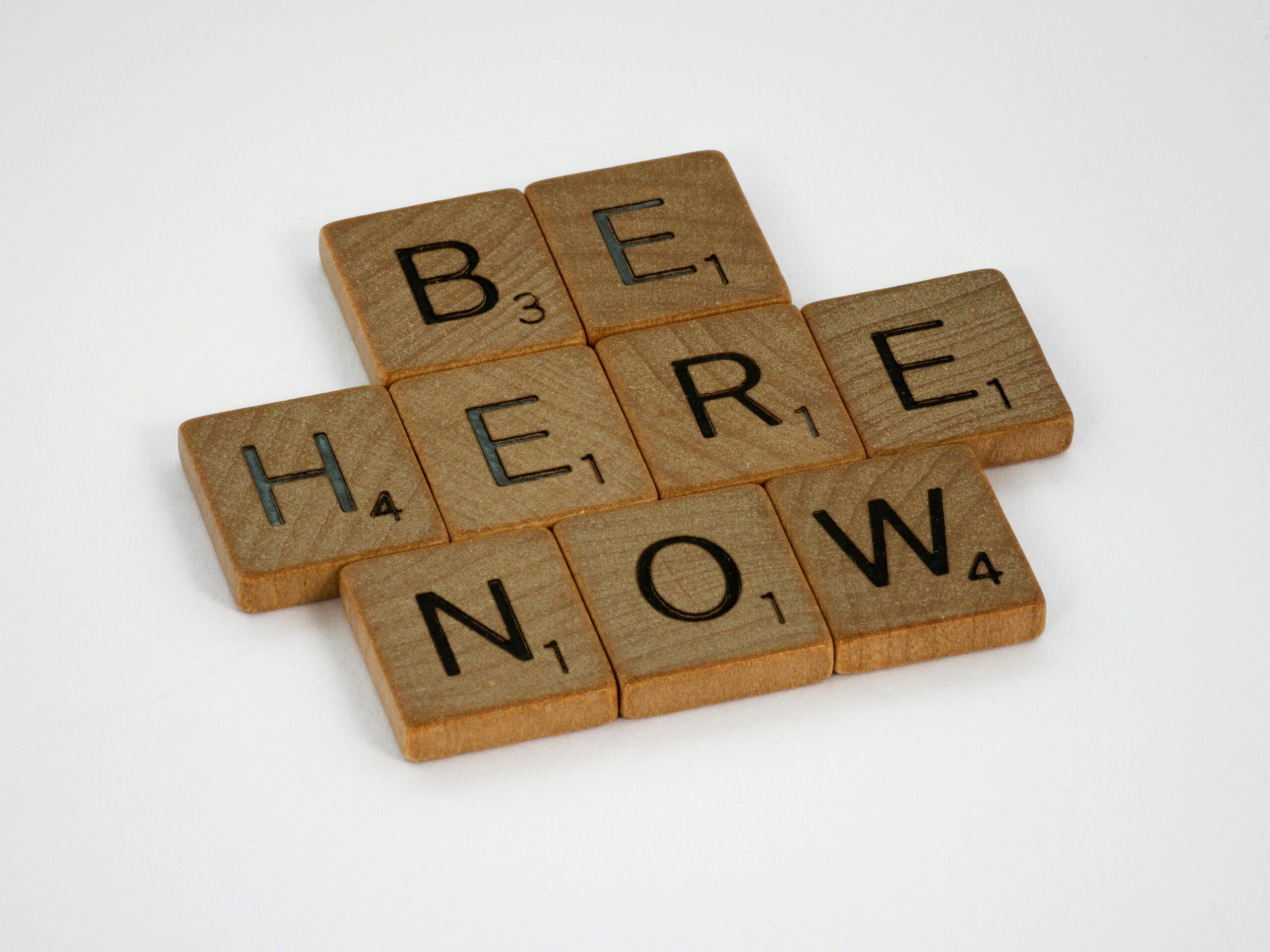
Drawing on timeless wisdom, it invites readers to let go of past and future preoccupations, embrace the power of now, and discover serenity in the simple awareness of being. Through gentle insights and profound truths, it offers a pathway to inner calm and mindful living in a fast-paced world.
The Emotional Weight of Silence: Why Expressing Emotions Matters
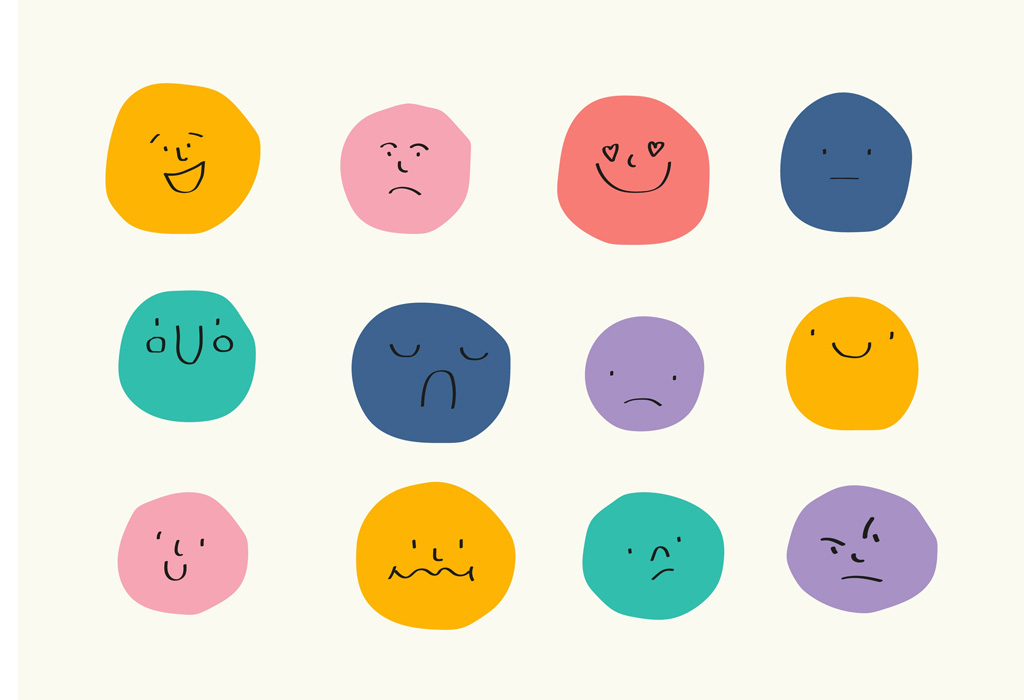
Silence can feel safe, but it often becomes a heavy burden that isolates us from ourselves and others. When emotions go unspoken, they build pressure beneath the surface, shaping our thoughts and relationships in unseen ways. Expressing emotions—through words, art, or even tears—releases that weight, creating space for healing, connection, and understanding. Speaking our truth doesn’t make us weak; it affirms our humanity and allows others to meet us where we are, reminding us that vulnerability is not a flaw but a bridge to deeper connection.