
Healing Through Hardship
Life doesn’t always unfold the way we expect. Sometimes it brings storms that shake us, losses that break us, or changes that leave us unsure of who we are anymore. Yet, beneath the pain and confusion, something quietly powerful is often taking place — growth.
At Joy Spring Mental Health, we believe that every struggle carries within it the possibility of transformation. The hardest experiences often reveal our deepest strengths. You may not have chosen what happened to you, but you can choose how to move forward. Growth doesn’t mean pretending everything is fine or rushing through your pain. It means allowing yourself to heal, to learn, and to rediscover hope at your own pace.
Healing is not about erasing the past. It’s about integrating what you’ve been through into who you are becoming. And in that process — slow, messy, human — you may find that what once felt like breaking is actually a kind of becoming.
The Truth About Struggle
Every person experiences moments that test them — a heartbreak, a diagnosis, a loss, a setback, or a sudden change that leaves life feeling unrecognizable. Pain is a universal part of being human. Yet, we often internalize the belief that struggle is a sign of weakness or failure. It’s not.
Struggle is proof that you are living, feeling, and trying. It’s the evidence that you care deeply enough to hurt. But in a culture that prizes productivity and perfection, we’re taught to hide pain behind smiles, to keep moving forward even when we’re falling apart inside. We hear phrases like “stay strong” or “move on,” which can make us feel like it’s not okay to fall apart.
True healing starts when we let go of pretending. Real growth unfolds when we meet our pain with honesty and kindness. You don’t have to know every answer or stay upbeat all the time. Just keep showing up for yourself — with each breath, each quiet moment of bravery.
Because struggle is not the end of your story. It’s often the place where your story begins to shift.
Pain as a Teacher
No one wishes for pain, but pain can become one of life’s most powerful teachers. It slows us down long enough to listen — to ourselves, to our needs, and to what truly matters. It strips away the noise of daily life and brings us face to face with what we’ve been avoiding.
In those moments of discomfort, we begin to see what’s ready to change. Pain invites us to pause and pay attention. It’s often the body and mind’s way of saying, “Something here needs care.”
You might realize you’ve been giving too much of yourself away, neglecting your own boundaries. You might discover a strength you never knew you had. Or you might finally understand that vulnerability isn’t weakness — it’s the birthplace of connection and authenticity.
Pain teaches boundaries, courage, and empathy. It teaches that healing isn’t about returning to who you were before — it’s about becoming someone wiser, softer, and more whole.
Every scar tells a story. Every challenge carries a lesson. And while it’s hard to see it in the middle of the storm, when you look back, you may realize that what once felt like breaking was actually becoming.
Resilience: The Quiet Power Within
Resilience isn’t about pretending things don’t hurt. It’s about learning that even when they do, you can still find your footing. It’s the quiet voice that says, “I can try again tomorrow.”
Research shows that resilience grows through connection, self-compassion, and meaning-making. That means you don’t have to go through hard times alone or “be strong” all the time. True resilience is gentle. It allows space for grief, rest, and reflection.
At Joy Spring Mental Health, we often remind clients that resilience is built, not born. It develops every time you face something hard and choose not to give up. Every moment you pause to breathe instead of collapsing under pressure — that’s resilience. Every time you ask for help instead of isolating, or allow yourself to cry instead of suppressing emotion — those are acts of strength.
Resilience isn’t about bouncing back to who you were. It’s about growing forward into who you’re becoming.
The Process of Growth: Gentle, Not Linear
Healing and growth are rarely linear. They move in spirals, waves, and seasons. Some days you’ll feel strong and hopeful, while others you may feel lost or like you’ve gone backward. But every step — even the messy, uncertain ones — counts.
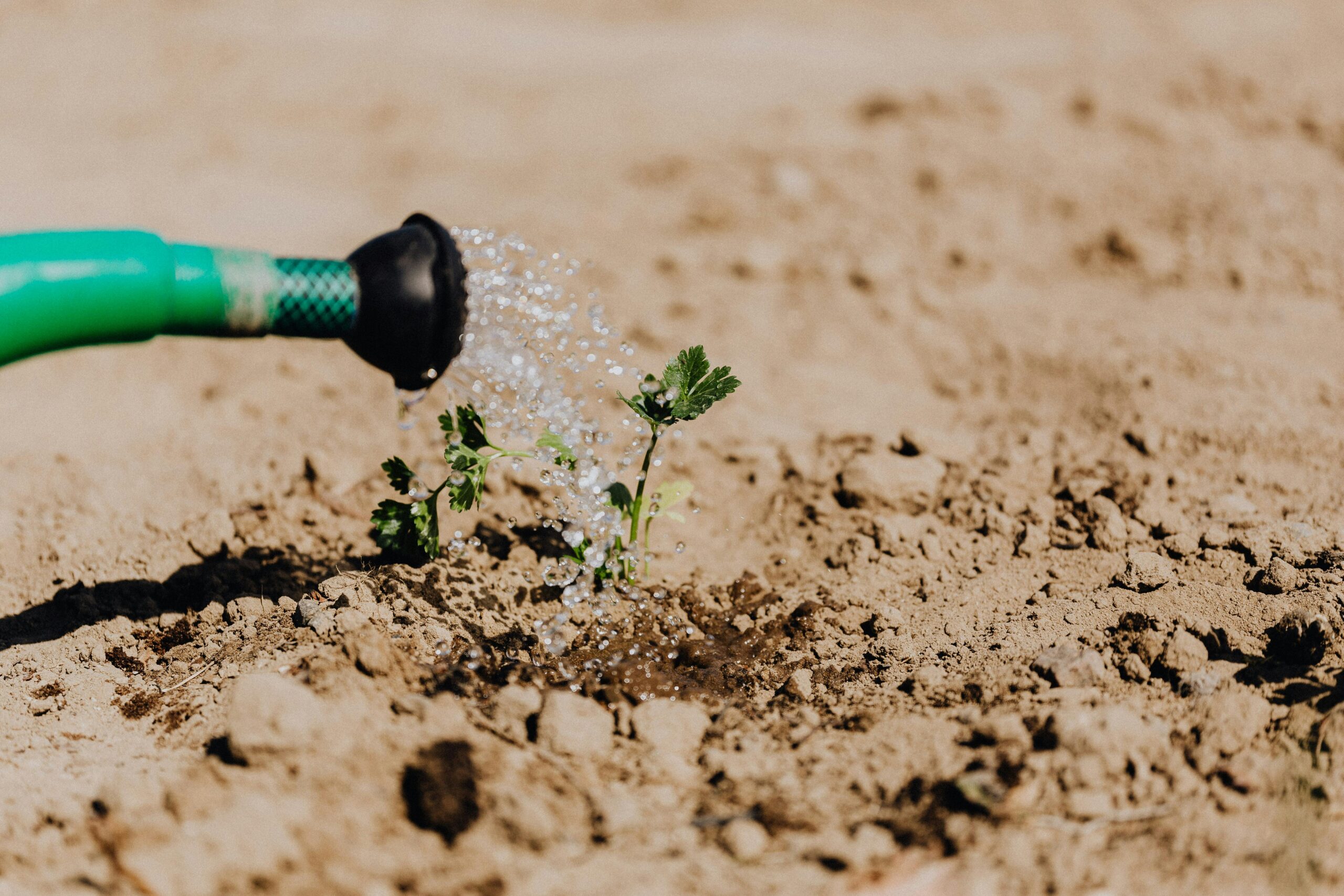
Think of growth like a plant breaking through the soil. Before the first green shoot appears, there’s a long period of unseen progress underground. The seed cracks open in the dark before it ever reaches the light. Your healing is the same. Even when it feels like nothing is changing, something is shifting beneath the surface.
It’s okay if your progress doesn’t look like anyone else’s. Healing isn’t a race — it’s a relationship with yourself. The more patience, gentleness, and curiosity you bring to that relationship, the more sustainable your growth becomes.
Sometimes growth looks like rest. Sometimes it looks like saying no. Sometimes it looks like forgiving yourself for not being where you thought you “should” be. Trust that every experience — even the setbacks — are shaping you in meaningful ways.
Self-Compassion: The Soil for Healing
When we’re in pain, self-criticism often becomes our first response. We might hear our inner voice whispering, “I should be over this by now,” or “Why can’t I handle this better?” But self-judgment only deepens the wound.
Self-compassion is the practice of treating yourself with the same kindness you would offer to a friend. It’s not self-pity or avoidance — it’s courage. It means acknowledging your suffering without shame and remembering that you’re not alone in your struggles.
Dr. Kristin Neff, a leading researcher on self-compassion, describes it through three pillars:
- Mindfulness — being present with your emotions without exaggerating or denying them.
- Common Humanity — remembering that struggle is part of being human; everyone experiences pain.
- Self-Kindness — responding to yourself with gentleness rather than harshness.
When you’re hurting, try whispering to yourself: “This is hard, and I’m doing my best.” or “It’s okay to feel this way.” These small phrases can help you soften toward yourself, creating the emotional safety needed for real healing.
At Joy Spring Mental Health, we often see how self-compassion transforms the healing process. It replaces shame with understanding, and fear with acceptance. When you hold yourself gently, you create the inner soil where growth can take root and flourish.
Finding Meaning in What You’ve Been Through
One of the most profound aspects of healing is discovering meaning in your experiences. Meaning doesn’t erase pain, but it helps you carry it differently. It turns wounds into wisdom.
Maybe your struggle has made you more empathetic toward others. Maybe it’s inspired you to pursue something meaningful — a career change, advocacy, or creative expression. Or perhaps it’s simply taught you what truly matters: connection, authenticity, and love.
Psychiatrist Viktor Frankl, a Holocaust survivor, wrote that while we cannot always control our circumstances, we can always choose our response. Meaning-making is how we transform suffering into strength.
Finding meaning takes time. It often begins with asking, “What has this experience taught me?” or “How has this shaped who I am today?” Sometimes the meaning is small but powerful — realizing that you are stronger than you thought or that your story can make someone else feel less alone.
Meaning gives pain a purpose. It turns your healing into a gift that ripples outward, touching others with empathy and hope.
The Role of Therapy in Growth
Therapy isn’t about fixing you — because you’re not broken. It’s about supporting your growth through what you’re going through. A compassionate therapist provides a safe space to explore your thoughts, feelings, and fears without judgment.
In therapy, you learn to understand your emotions, challenge unhelpful patterns, and reconnect with the parts of yourself you may have silenced. It’s a collaborative journey — a partnership between your willingness to heal and the therapist’s guidance in helping you navigate that process.
At Joy Spring Mental Health, we see therapy as an invitation — to slow down, to listen inwardly, and to rediscover your inner strength. Whether you’re facing trauma, anxiety, grief, or burnout, therapy offers tools that help you build resilience and transform pain into progress.
Healing in connection — with a therapist, loved ones, or a supportive community — helps you grow deeper and faster. When you are seen and accepted exactly as you are, your heart feels safe enough to open again.
Therapy reminds you that healing is not something you have to do alone. You are allowed to receive help — and in doing so, you remind yourself that you are worthy of care.
Gratitude: The Bridge Between Pain and Growth
Gratitude isn’t about ignoring hardship or pretending everything is fine. It’s about recognizing beauty, even when life is hard. It’s noticing the quiet moments of grace — a comforting message from a friend, the warmth of sunlight through a window, or the simple fact that you are still here.
When you’re in pain, gratitude might feel distant or impossible. And that’s okay. Start small. You don’t have to feel grateful for everything — just something. Maybe it’s, “I’m grateful I made it through today,” or “I’m thankful for the coffee that warmed my hands this morning.”
Gratitude doesn’t erase pain, but it shifts perspective. It reminds the brain that light still exists, even in dark times. Over time, this practice rewires your neural pathways toward hope and resilience.
The more we notice moments of goodness, the more we train our minds to hold both pain and possibility at once. Gratitude becomes a bridge — connecting where you are with where you’re going.
Letting Go of What No Longer Serves You
Growth often requires letting go — of people, habits, expectations, or old versions of yourself. Letting go doesn’t mean forgetting or dismissing what happened. It means releasing your attachment to what’s keeping you stuck.
Think of it like pruning a plant. When you cut away what’s overgrown or dead, you make room for new life to emerge. Similarly, when you release what no longer nourishes your spirit — resentment, perfectionism, self-blame — you open yourself to peace and renewal.
Letting go takes courage because it involves trust. Trusting that you’ll be okay without what once defined you. Trusting that even though you can’t yet see what’s ahead, life will meet you with new possibilities.
It’s not a single act, but a process — a gradual softening of your grip. And each time you release something that weighs you down, you grow a little lighter, a little freer.
Trusting the Process
One of the greatest challenges in healing is learning to wait. We often crave the moment when everything finally makes sense — when the ache fades and the meaning behind it all becomes clear. Yet transformation rarely follows our desired pace. It blooms quietly, in its own rhythm, teaching us patience in the spaces between progress.
To trust the process is to understand that healing moves in circles, not straight lines. Some days will feel light, filled with hope and strength; others may pull you back into old fears or sorrow. Neither defines you — both are vital parts of becoming whole.
You are not behind on some invisible timeline, and you are not broken beyond repair. You are in motion — evolving, softening, learning to hold yourself with more gentleness than before.
When uncertainty feels heavy, return to the evidence of your resilience: every difficult day you’ve lived through has shaped the strength that carries you now. You have found your way through darkness before, and you will again. Each breath you take, every pause for rest, every decision to keep trying — these are acts of quiet courage that affirm your growth.
Trust that the same force that turns night into morning also lives within you. Even when nothing seems to be changing, something sacred is — your healing is unfolding beneath the surface, steady and sure, guiding you toward the wholeness that has always been yours.
Hope: The Light That Leads You Forward
Even in the darkest moments, there is a spark of hope. It may be small, flickering, or faint, but it’s there. Hope doesn’t deny pain — it coexists with it. It says, “This hurts, but there’s still possibility.”
Hope is what fuels resilience. It reminds us that change is possible, that healing is slow but steady, that life has a way of surprising us with beauty again.
Sometimes hope is a grand vision for the future. Other times, it’s a quiet whisper that says, “Try again tomorrow.” Hope grows when you take small steps forward — when you reach out for help, rest instead of give up, or simply believe, even for a moment, that things can get better.
At Joy Spring Mental Health, we see hope as the thread that weaves through every healing journey. It doesn’t always shine brightly, but it never disappears. And when you nurture it — through therapy, connection, or self-care — it becomes the light that guides you through the dark.
You Are the Evidence of Growth
If you’re reading this, you’ve already grown more than you realize. You’ve faced moments you thought would break you, and yet here you are — breathing, healing, trying. That’s growth.
Growth doesn’t always look like progress. Sometimes it looks like crying, resting, or asking for help. But underneath it all, you are evolving. You are learning to hold yourself through the hard days, to speak kindly to yourself, to stay open even when it hurts.
You are living proof that it’s possible to grow through what you go through. Every breath, every step forward, every act of self-compassion is evidence of your strength.
A Gentle Reminder from Joy Spring Mental Health
Healing isn’t about forgetting your pain — it’s about transforming your relationship with it. The challenges you’ve faced don’t define you; they shape you. You are allowed to take your time, to feel deeply, to rebuild slowly.
Growth is rarely loud or linear. It’s often quiet and steady — like the way dawn follows night.
At Joy Spring Mental Health, we honor the courage it takes to grow through what you go through. Our mission is to help you find safety, understanding, and support as you navigate your healing journey. You don’t have to have it all together. You just need to take the next step, one breath at a time.
Because even when life feels heavy, you are still growing — and that is something truly beautiful.