
Be Real in Therapy

Therapy isn’t about pretending to have everything figured out—it’s about showing up as you are. Being real in therapy means speaking honestly about your thoughts, feelings, fears, and even the things that feel uncomfortable to say out loud. When you allow yourself to be authentic, you give therapy the chance to truly help. Growth often begins the moment you stop performing and start sharing your genuine experience.
Therapy Is Not a Performance

Therapy is not a performance. There is no script to follow, no gold star for saying the “right” thing, no award for being the most self-aware person in the room. It’s a space where you get to be unfinished, uncertain, and completely human. You don’t have to impress your therapist or package your pain into something polished and palatable. The work happens in the pauses, the contradictions, the messy honesty — not in perfection.
Mood Tracking: Make Sense of Mood Shifts

Mood tracking is a simple way to spot patterns behind your emotional ups and downs—so mood shifts feel less random and more understandable. By taking 30 seconds once or twice a day to rate your mood (and jot down what you were doing, who you were with, how you slept, what you ate, and any stressors), you start to see what reliably lifts you up or pulls you down. Over time, you may notice clues like “my mood dips after skipping lunch,” “I feel lighter after a short walk,” or “certain conversations leave me tense for hours.” The goal isn’t to judge your feelings—it’s to gather gentle, useful data so you can respond earlier, choose supportive habits, and talk about what’s happening with more clarity and confidence.
Underneath the Symptoms

Underneath the Symptoms explores what’s really driving your anxiety, burnout, mood changes, or stress—so we’re not just managing surface-level struggles, but gently uncovering and healing the root causes beneath them. Through compassionate, evidence-based care, we help you make sense of your patterns, reconnect with yourself, and create lasting change from the inside out.
The Silent Signals of Stress
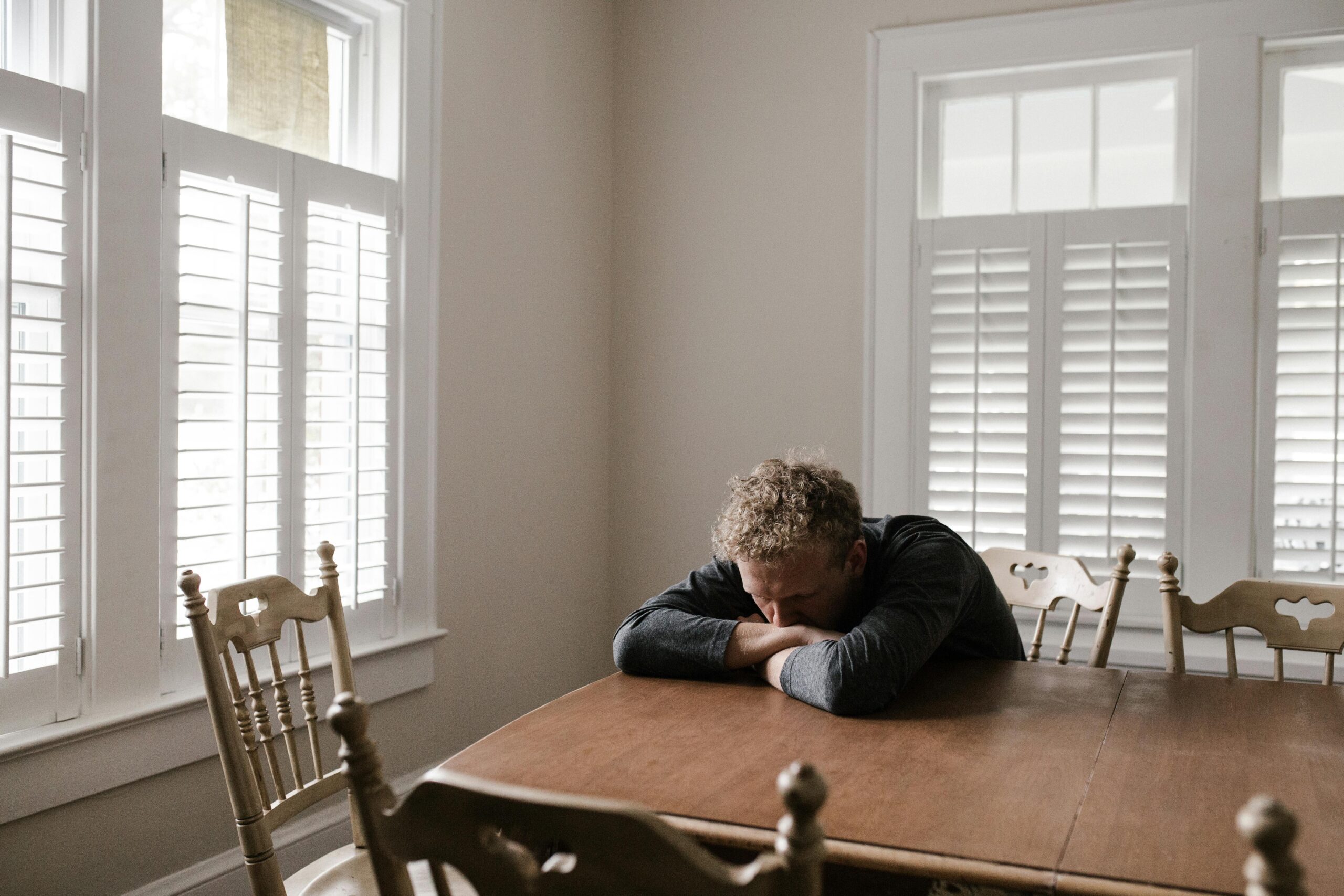
Stress doesn’t always show up as tears or tantrums—it often whispers before it shouts. It can look like irritability, trouble sleeping, headaches, forgetfulness, or even a sudden loss of motivation. Sometimes it hides behind productivity, perfectionism, or a constant need to stay busy. These silent signals are the body and mind’s way of asking for care and attention. When we learn to notice the subtle shifts—tight shoulders, shallow breathing, snapping at loved ones—we create an opportunity to pause, reset, and respond with compassion instead of pushing through.
Repair After Conflict

Repair after conflict is possible. Learn practical tools to rebuild trust, improve communication, and strengthen your relationship through healthy conflict resolution and emotional reconnection.
Feelings Aren’t You

Feelings Aren’t You is a grounding reminder that emotions are real signals—but they don’t define your identity or dictate your next move. Learn how to notice what you feel without getting swept away, separate emotions from self-worth, and respond with clarity, compassion, and choice—so you can move through hard moments with steadier confidence and more emotional freedom.
Stress Can Look Like ADHD
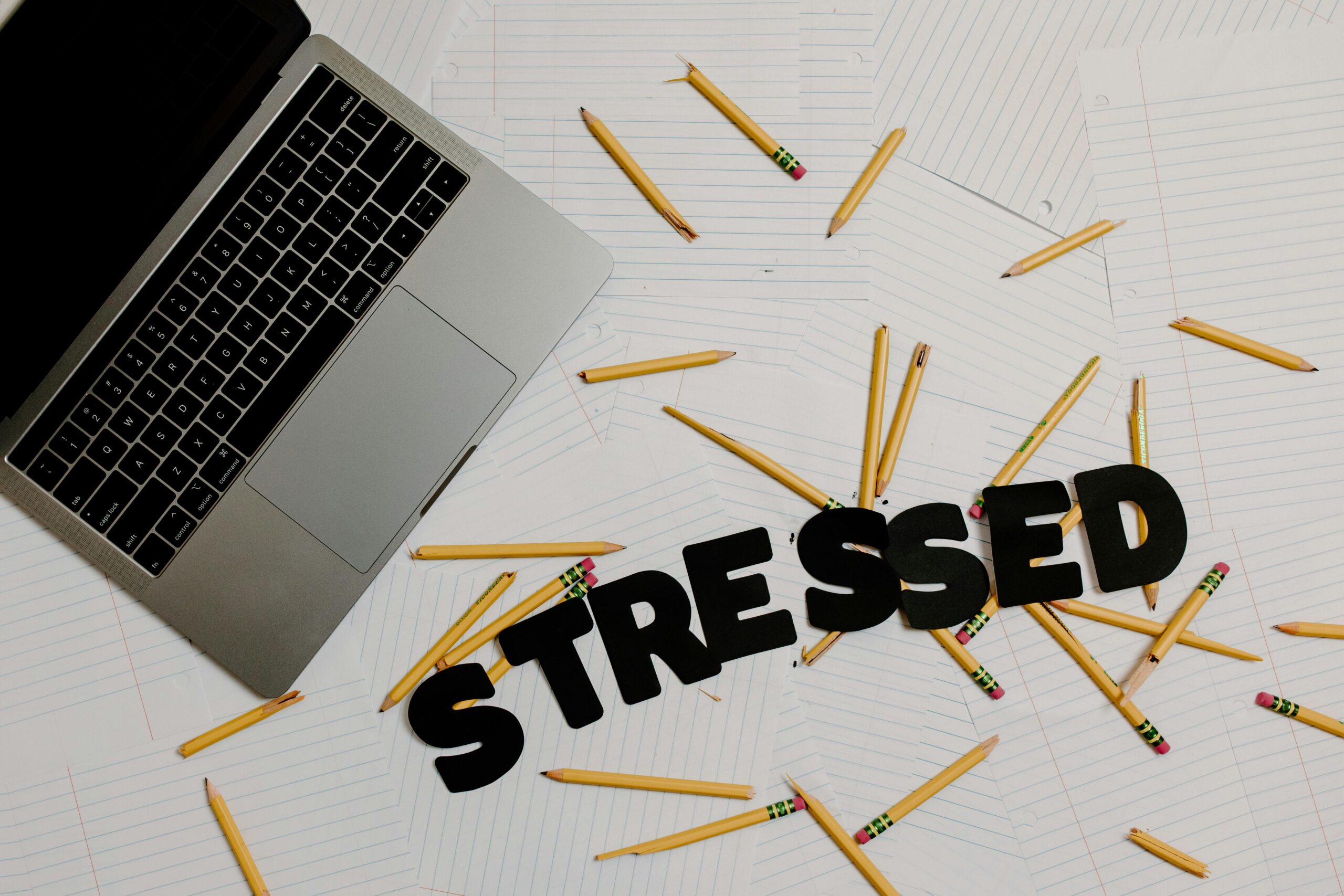
Stress can look a lot like ADHD—especially when your nervous system is overloaded. You might feel restless, scattered, and unable to focus, starting tasks but not finishing them, forgetting details, losing things, or jumping from one thought to the next. Under chronic stress, the brain prioritizes survival over organization, so planning, memory, impulse control, and emotional regulation can take a hit—making you seem “unmotivated” or “careless” when you’re actually overwhelmed. The key difference is that stress-driven symptoms often surge during demanding seasons and ease when you’re supported and rested, while ADHD patterns tend to be more consistent over time and across settings.
Anxiety: Threat-Detection Mode

Anxiety can feel like your brain has flipped into threat-detection mode—a setting designed to keep you safe, but one that sometimes stays on even when you’re not in danger. In this mode, your body scans for problems, your thoughts jump to “what if,” and ordinary sensations (a tight chest, a racing heart, a restless stomach) get interpreted as warnings. It’s not weakness or “overreacting”; it’s a protective system working overtime. The goal isn’t to force it off, but to gently signal safety—through slow breathing, grounding in the present, and reminding yourself: this is anxiety, not an emergency.
Stuck in Survival Mode

Stuck in survival mode can feel like living with your shoulders permanently tense, your mind always scanning for the next problem to solve. Even when life looks “okay” on the outside, your nervous system may still be operating as if danger is just around the corner—making rest feel uncomfortable and joy feel out of reach. This state isn’t a personal failure; it’s a learned response to prolonged stress, overwhelm, or trauma. With awareness, support, and gentle regulation, it’s possible to move from merely surviving to feeling safe enough to truly live.