
Feelings Aren’t You

Feelings Aren’t You is a grounding reminder that emotions are real signals—but they don’t define your identity or dictate your next move. Learn how to notice what you feel without getting swept away, separate emotions from self-worth, and respond with clarity, compassion, and choice—so you can move through hard moments with steadier confidence and more emotional freedom.
Stress Can Look Like ADHD
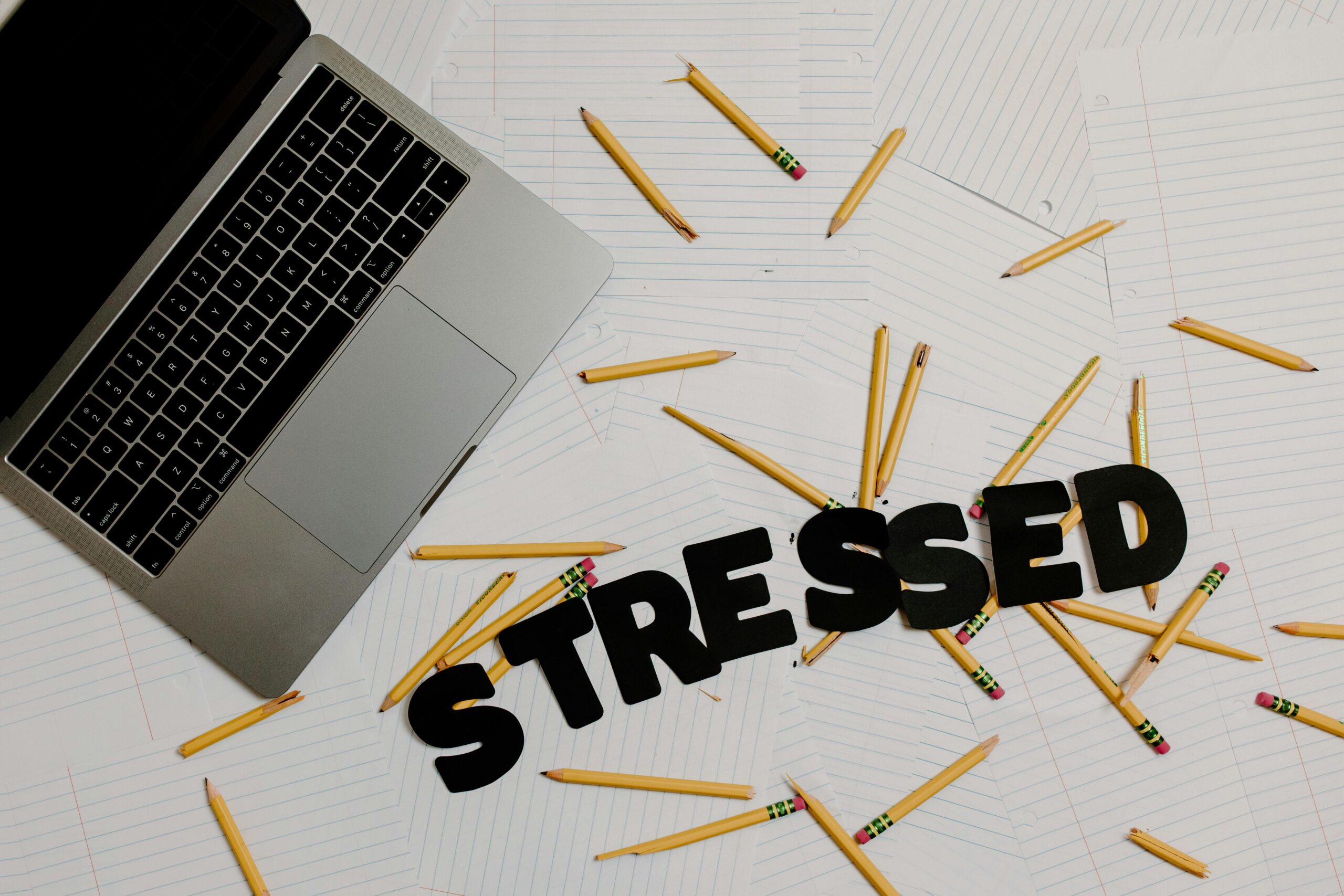
Stress can look a lot like ADHD—especially when your nervous system is overloaded. You might feel restless, scattered, and unable to focus, starting tasks but not finishing them, forgetting details, losing things, or jumping from one thought to the next. Under chronic stress, the brain prioritizes survival over organization, so planning, memory, impulse control, and emotional regulation can take a hit—making you seem “unmotivated” or “careless” when you’re actually overwhelmed. The key difference is that stress-driven symptoms often surge during demanding seasons and ease when you’re supported and rested, while ADHD patterns tend to be more consistent over time and across settings.
Anxiety: Threat-Detection Mode
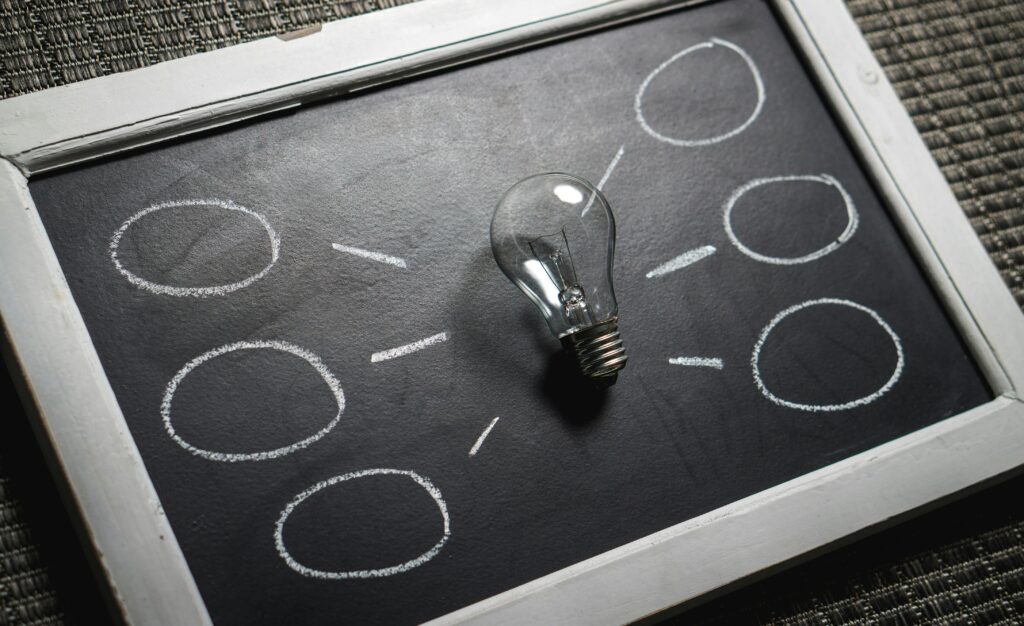
Anxiety can feel like your brain has flipped into threat-detection mode—a setting designed to keep you safe, but one that sometimes stays on even when you’re not in danger. In this mode, your body scans for problems, your thoughts jump to “what if,” and ordinary sensations (a tight chest, a racing heart, a restless stomach) get interpreted as warnings. It’s not weakness or “overreacting”; it’s a protective system working overtime. The goal isn’t to force it off, but to gently signal safety—through slow breathing, grounding in the present, and reminding yourself: this is anxiety, not an emergency.
Stuck in Survival Mode
Stuck in survival mode can feel like living with your shoulders permanently tense, your mind always scanning for the next problem to solve. Even when life looks “okay” on the outside, your nervous system may still be operating as if danger is just around the corner—making rest feel uncomfortable and joy feel out of reach. This state isn’t a personal failure; it’s a learned response to prolonged stress, overwhelm, or trauma. With awareness, support, and gentle regulation, it’s possible to move from merely surviving to feeling safe enough to truly live.
ADHD and Novelty: Finding Balance
For many people with ADHD, novelty is both a lifeline and a trap—it sparks motivation, focus, and creativity, yet too much of it can lead to burnout or constant restlessness. The brain’s craving for newness isn’t a flaw; it’s a signal that stimulation and meaning matter deeply. Finding balance means learning how to intentionally introduce novelty—small changes, flexible routines, or fresh challenges—without abandoning structure altogether. When novelty is used as a tool rather than chased endlessly, it can support consistency, reduce boredom, and help ADHD minds thrive instead of feeling overwhelmed.
The Label Isn’t the Limit

The label isn’t the limit—it’s just the name someone gave a moment in time. “Anxious,” “burnt out,” “too much,” “not enough”… words can be useful, but they’re not your whole story. You are a living, changing person with context, history, strength, and options—more than any diagnosis, role, or comment can capture. Healing doesn’t begin when you become “fixed”; it begins when you remember you’re allowed to grow beyond what you’ve been called, choose what fits, and keep rewriting what’s possible.
Your Stress Makes Sense
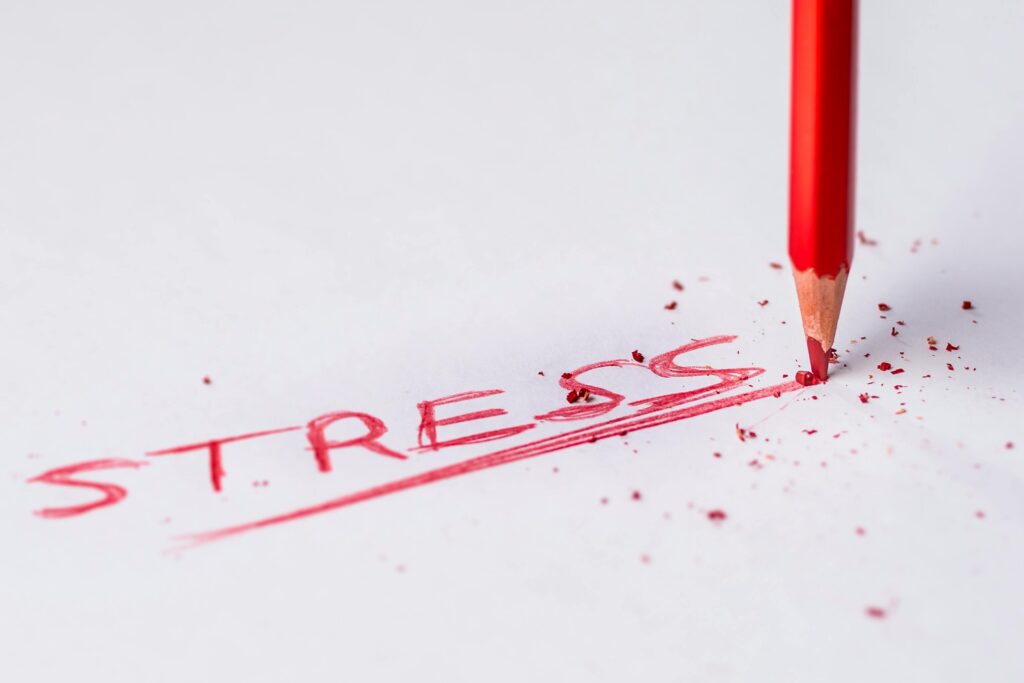
Your stress makes sense. When you’ve been carrying too much for too long, your body and mind are doing exactly what they’re designed to do—signal that something needs care. Stress isn’t a personal failure; it’s a human response to pressure, uncertainty, and unmet needs, and it deserves compassion, not criticism.
Choosing Gentleness: You’re Allowed to Do Rest this December

Choosing gentleness this December means giving yourself permission to soften the pace, to rest without guilt, and to listen to what your body and heart are asking for. In a season that often glorifies busyness, rest is not something you have to earn—it’s something you’re allowed to receive. Even small moments of pause, quiet, and care can be acts of resilience, reminding you that slowing down is not falling behind, but coming back to yourself.
Choosing Peace Over Pressure

Choosing peace over pressure means giving yourself permission to slow down, breathe deeply, and release the belief that urgency defines your worth. It’s a gentle but powerful shift—from reacting to every demand to responding with intention, clarity, and self-compassion. In choosing peace, you honor your limits, protect your energy, and create space for decisions rooted not in fear or expectation, but in alignment with what truly matters to you.
Not Behind. Right on Time.

Not behind. Right on time. Even when it feels slow, life isn’t late—it’s unfolding with intention. What’s meant for you is aligning in ways you can’t always see yet, shaping you for what comes next. Trust the pace, honor the pauses, and remember that becoming takes exactly as long as it needs.