
Small Pockets of Peace During the Holidays

The holidays can be joyful, but they can also feel loud, busy, and emotionally full. Small pockets of peace—whether it’s a quiet cup of tea before the house wakes up, a few deep breaths in the car, or a brief walk outside—can help ground you amid the rush. These moments don’t need to be long or perfect; they just need to be intentional. Giving yourself permission to pause, even briefly, can restore a sense of calm and help you move through the season with a little more steadiness and care.
Choosing Gentleness: You’re Allowed to Do Rest this December

Choosing gentleness this December means giving yourself permission to soften the pace, to rest without guilt, and to listen to what your body and heart are asking for. In a season that often glorifies busyness, rest is not something you have to earn—it’s something you’re allowed to receive. Even small moments of pause, quiet, and care can be acts of resilience, reminding you that slowing down is not falling behind, but coming back to yourself.
Choosing Peace Over Pressure

Choosing peace over pressure means giving yourself permission to slow down, breathe deeply, and release the belief that urgency defines your worth. It’s a gentle but powerful shift—from reacting to every demand to responding with intention, clarity, and self-compassion. In choosing peace, you honor your limits, protect your energy, and create space for decisions rooted not in fear or expectation, but in alignment with what truly matters to you.
December: A Time to Reset

December is a gentle pause between what has been and what’s to come—a natural invitation to reset. As the year slows, we’re given space to reflect, release what no longer serves us, and reconnect with what truly matters. It’s not about rushing into resolutions, but about restoring balance, honoring growth, and entering the new year with clarity, intention, and compassion for ourselves.
Holiday Healing for the Heart

The holidays can bring warmth and connection—but they can also stir up grief, loneliness, and emotional exhaustion. Holiday Healing for the Heart is a gentle reminder that it’s okay to move at your own pace this season, honoring both joy and sorrow as they arise. Through intentional pauses, self-compassion, and supportive practices, healing becomes less about “getting through” the holidays and more about tending to your heart with care, presence, and grace.
A Gentle Guide to Holiday Boundaries

The holidays can stir up joy, nostalgia, and stress all at once, making boundaries not only helpful but necessary. Setting gentle limits is an act of self-respect—it allows you to participate without overextending yourself emotionally, physically, or financially. Boundaries don’t have to be rigid or confrontational; they can sound like honest, kind statements that honor your needs while still valuing connection. When you give yourself permission to say no, take breaks, or do things differently, you create space for a holiday season that feels more grounded, intentional, and supportive of your well-being.
The Mental Health Benefits of Gratitude
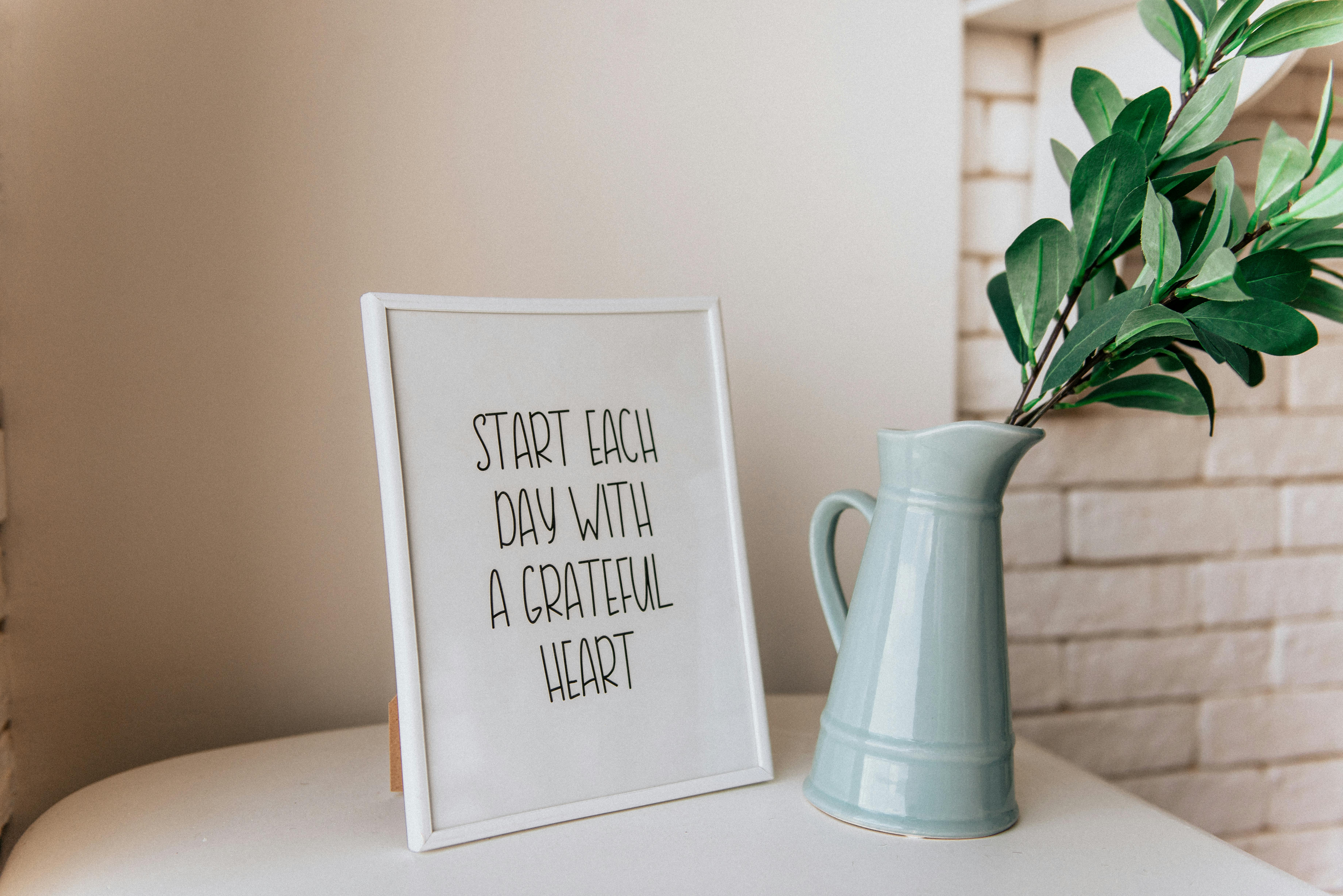
Practicing gratitude can have a powerful impact on mental health by gently shifting our focus from what feels lacking to what is already supporting us. Research shows that regularly acknowledging moments of appreciation—whether for people, experiences, or small daily comforts—can reduce symptoms of anxiety and depression, improve sleep, and strengthen emotional resilience. Over time, gratitude helps rewire the brain toward more balanced thinking, making it easier to cope with stress and cultivate a greater sense of calm, connection, and overall well-being.
Not Behind. Right on Time.

Not behind. Right on time. Even when it feels slow, life isn’t late—it’s unfolding with intention. What’s meant for you is aligning in ways you can’t always see yet, shaping you for what comes next. Trust the pace, honor the pauses, and remember that becoming takes exactly as long as it needs.
Tiny Acts in Everyday Wellness

Tiny acts often hold the greatest power when it comes to nurturing our well-being. A deep breath before a meeting, a two-minute stretch between tasks, choosing a kind thought over a critical one—these small, intentional moments quietly reshape how we move through the day. When we treat wellness not as a grand achievement but as a series of gentle pauses and mindful choices, we create space for resilience, ease, and self-connection to flourish in even the busiest seasons of life. Let the tiny acts lead the way.
Gratitude for the Small Things

Discover how practicing gratitude for the small, everyday moments can uplift your mood, reduce stress, and create a deeper sense of fulfillment. Learn simple ways to notice and appreciate the little joys that often go overlooked, helping you cultivate a more mindful and positive mindset.