
Make Joy Non-Negotiable

Make joy non-negotiable—not as a reward for when everything is finished, perfect, or approved, but as a daily standard for how you live and lead. Joy is not frivolous; it is fuel. When you treat your well-being, boundaries, rest, and meaningful connections as essential rather than optional, you build a life that sustains you instead of depletes you. Choosing joy on purpose—especially in small, ordinary moments—creates resilience, clarity, and the capacity to show up fully for the people and work that matter most.
Breaking the Cycle of Pressure

Breaking the Cycle of Pressure begins with noticing the silent expectations you carry every day — the ones that say you must achieve more, fix everything, or hold it all together without pause. Over time, this constant self-pressure can create exhaustion, self-doubt, and disconnection from what truly matters. When we slow down and question these internal demands, we create space for self-compassion, clearer boundaries, and healthier ways of responding to stress. The cycle shifts not through force, but through awareness, gentleness, and small, intentional changes.
The Silent Signals of Stress
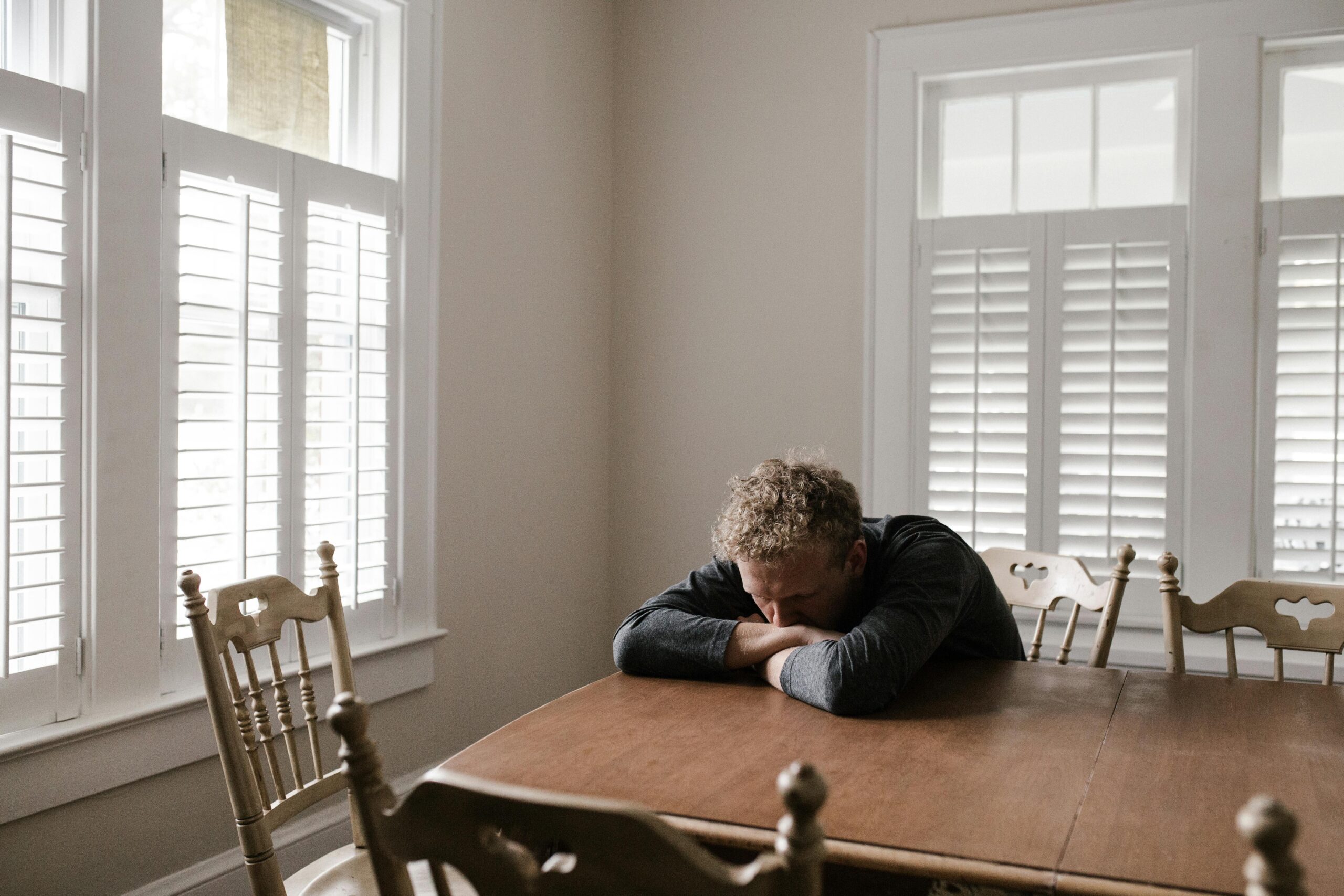
Stress doesn’t always show up as tears or tantrums—it often whispers before it shouts. It can look like irritability, trouble sleeping, headaches, forgetfulness, or even a sudden loss of motivation. Sometimes it hides behind productivity, perfectionism, or a constant need to stay busy. These silent signals are the body and mind’s way of asking for care and attention. When we learn to notice the subtle shifts—tight shoulders, shallow breathing, snapping at loved ones—we create an opportunity to pause, reset, and respond with compassion instead of pushing through.
Make Self-Care Last

Self-care isn’t a luxury you earn after everything else is done—it’s the foundation that helps everything else get done. When you constantly put your needs last, burnout, resentment, and exhaustion quietly build up. Making self-care last means making it sustainable: small, consistent practices that fit into your real life, not occasional grand gestures that feel impossible to maintain. A five-minute pause, a short walk, a boundary you honor, or a moment of deep breathing can shift your entire day. When you treat your well-being as essential rather than optional, you show up more present, patient, and resilient—for yourself and for everyone who depends on you.
5 Things You Can See for Anxiety

When anxiety starts to spiral, grounding yourself in the present moment can help calm your nervous system. One simple technique is to pause and name 5 things you can see around you. Look for small details — the texture of the wall, the way light hits the floor, a plant in the corner, the color of someone’s shirt, or the shape of a window. This gentle exercise shifts your focus away from racing thoughts and back to what is real and steady in front of you, helping your body feel safer and more regulated.
Repair After Conflict

Repair after conflict is possible. Learn practical tools to rebuild trust, improve communication, and strengthen your relationship through healthy conflict resolution and emotional reconnection.
Feelings Aren’t You

Feelings Aren’t You is a grounding reminder that emotions are real signals—but they don’t define your identity or dictate your next move. Learn how to notice what you feel without getting swept away, separate emotions from self-worth, and respond with clarity, compassion, and choice—so you can move through hard moments with steadier confidence and more emotional freedom.
Healing in Community

Healing in community means you don’t have to carry the hard parts alone. When we’re witnessed with kindness—by people who listen without fixing, judging, or rushing—we start to soften, breathe, and feel human again. Little by little, shared stories remind us we’re not “too much” or “behind,” and support becomes something we can actually receive. In safe spaces, we practice new ways of relating: setting boundaries, asking for help, and offering care in return. Community doesn’t erase pain, but it makes room for it—and in that room, healing becomes possible.
When You Stop Trusting You
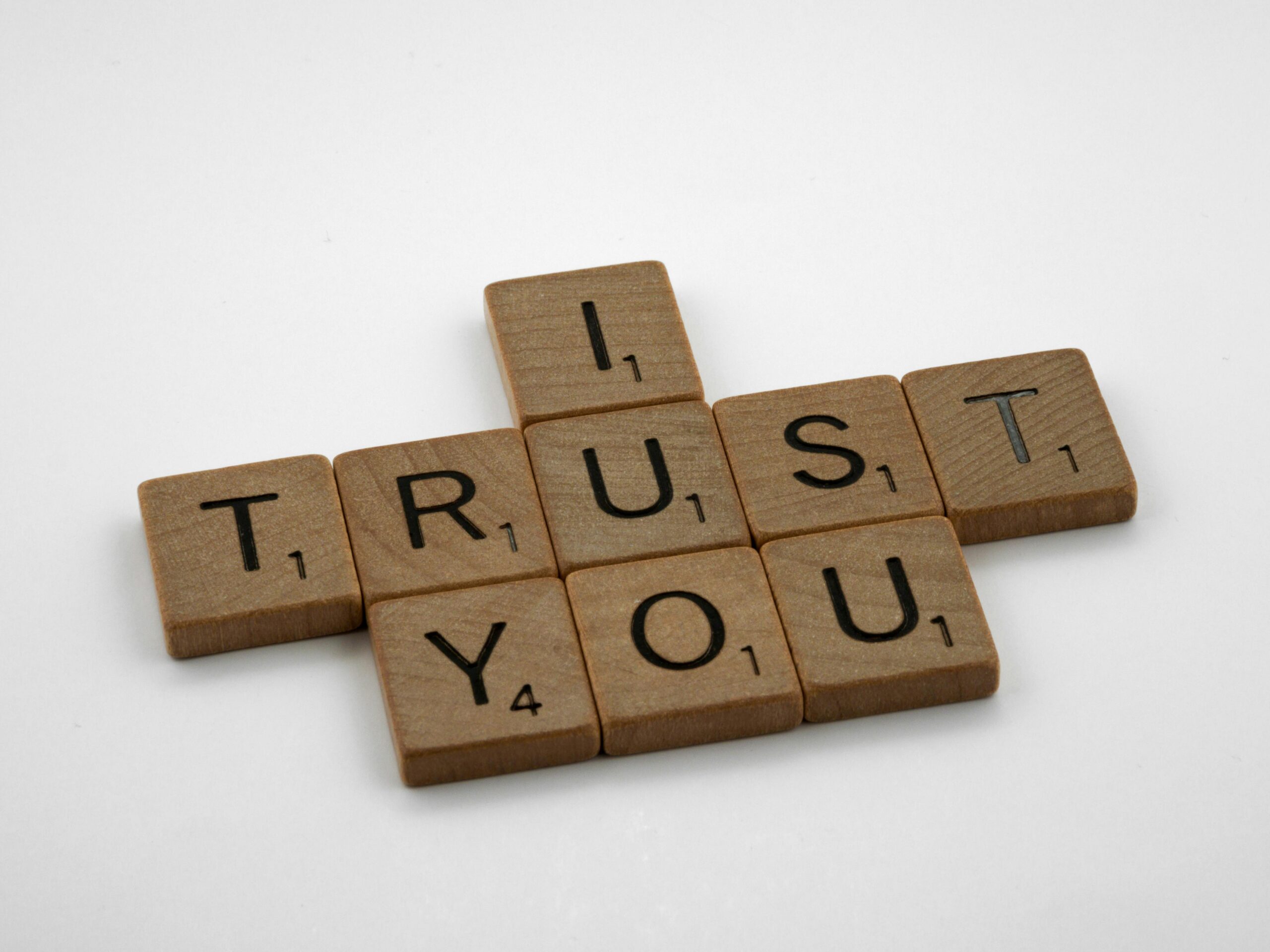
When you stop trusting you, the world doesn’t suddenly become safer—it just gets louder. Every choice turns into a negotiation, every feeling into evidence you have to cross-examine, every moment into a test you’re sure you’ll fail if you answer too quickly. You start outsourcing your instincts to other people’s reactions, checking for permission in their tone, their timing, their silence. And even when you do what everyone says is “right,” it never feels like relief—just temporary immunity. Because the ache isn’t that you don’t know what to do; it’s that you’ve begun to treat your own inner voice like a stranger who can’t be trusted with the truth.
Put Your Phone Down: A 5-Minute Calm Reset

Put your phone down—face down, out of reach if you can—and let your shoulders drop. Take one slow breath in through your nose for a count of four, then exhale for six like you’re fogging a mirror, and do that three more times. Now look around and quietly name five things you can see, four things you can feel (your feet on the floor, the chair under you), three things you can hear, two things you can smell, and one thing you can taste or are grateful for. If your mind tries to grab the phone again, that’s okay—just notice the urge, soften your jaw, and come back to the next exhale. Before you pick it up, ask: “What do I actually need right now?” Then choose one small next step—water, a stretch, a message, or simply one more breath.