
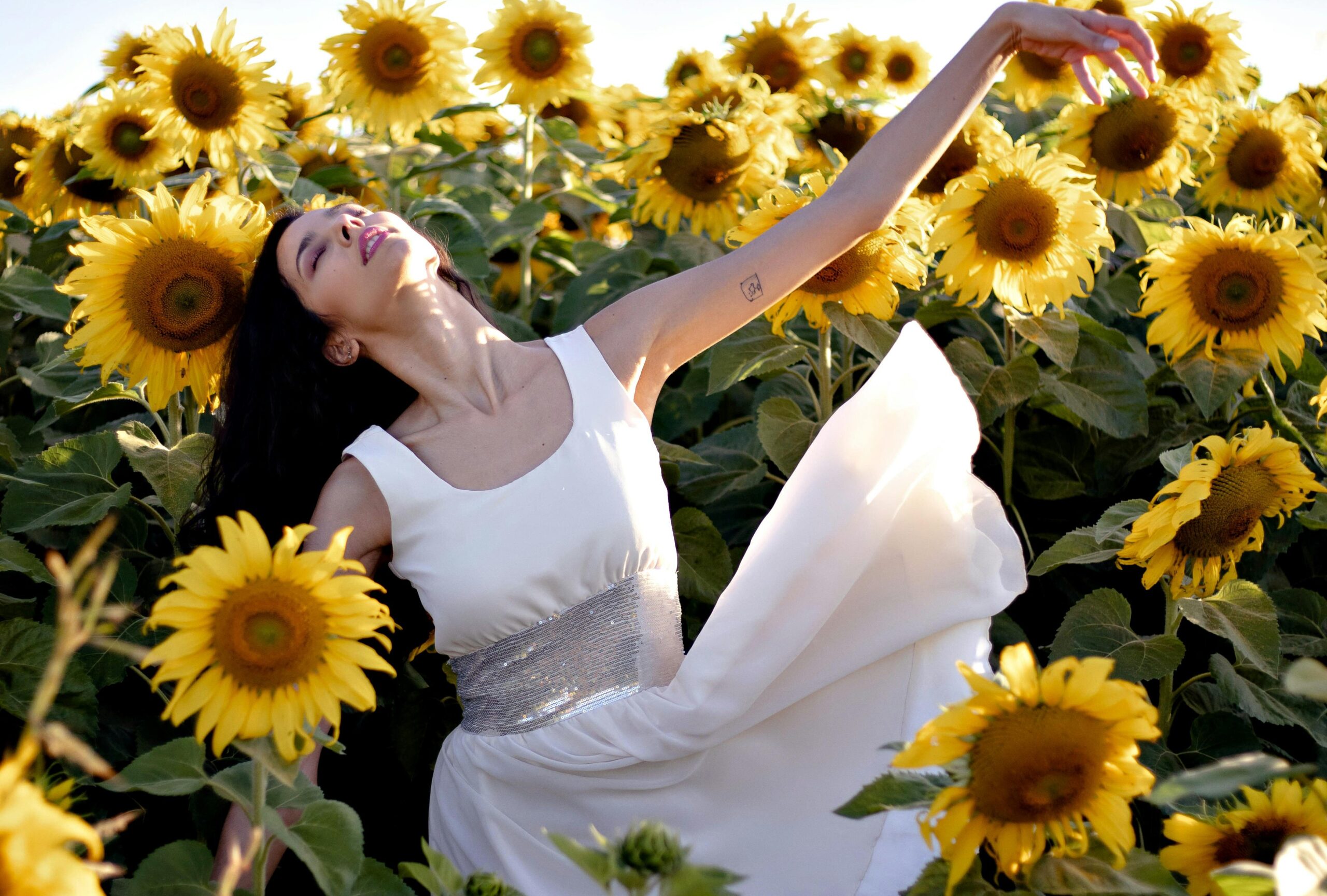
Movement Heals More Than Muscles; It Heals Emotions
When we think of exercise, it’s easy to picture dumbbells, treadmills, and toned muscles. For decades, fitness culture has centered on appearance and performance: the size of our biceps, the miles we run, or the calories we burn. But beneath those surface-level benefits lies a deeper truth—movement is one of the most powerful ways to heal our emotions.
In fact, when we move our bodies, we’re not just getting stronger physically. We’re soothing our nervous systems, lifting our moods, and processing feelings that often feel too heavy to carry. Movement has the power to help us navigate stress, sadness, anxiety, and even trauma. It is both medicine and meditation, science and soul.
At Joy Spring Mental Health, we believe that healing isn’t complete without caring for both body and mind. Let’s explore how movement does far more than build strength—it restores balance, joy, and emotional resilience.
Why Emotions Live in the Body
Emotions are not just fleeting ideas or abstract thoughts confined to the mind. They are lived, embodied experiences that ripple through the body. Anxiety might quicken your heartbeat, stress can cause your jaw to clench or your shoulders to tighten, and grief often settles in as a heavy weight across the chest. These sensations remind us that emotions are not separate from our physical being—they are woven into it.
This intimate link exists because the brain and body are in constant dialogue through the nervous system. When emotions arise, chemical messengers like cortisol and adrenaline surge through the bloodstream, preparing the body for action in what we know as the “fight, flight, or freeze” response. While this response is natural and often protective, emotions that are left unprocessed do not simply fade. Instead, they can remain stored in the body, resurfacing as chronic muscle tension, persistent fatigue, or even physical illness over time.
Movement becomes a powerful language for release. Unlike words, which rely on conscious processing, physical movement engages the body directly—helping it to metabolize and express what the mind alone cannot always articulate. Whether it’s the steady rhythm of walking, the gentle openness of stretching, the fluidity of dance, or the simple act of shaking out your arms, these movements allow the nervous system to reset and energy to flow again. In this way, movement is not just exercise—it is a practice of emotional integration, giving your body permission to feel, to release, and to heal.
The Science of How Movement Heals
Modern research is clear: movement is one of the most effective natural tools for supporting mental health. Here’s why:
- Endorphins and Dopamine: Physical activity triggers the release of endorphins—natural chemicals that act as mood lifters. It also stimulates dopamine, a neurotransmitter tied to motivation and reward, which helps restore a sense of pleasure and drive.
- Stress Regulation: Exercise lowers cortisol, the stress hormone. This helps the nervous system shift out of fight-or-flight mode and back into rest-and-digest.
- Improved Brain Function: Movement increases blood flow to the brain and boosts levels of brain-derived neurotrophic factor (BDNF), which supports learning, memory, and emotional resilience.
- Better Sleep: Regular movement promotes deeper, more restorative rest—critical for emotional regulation.
This isn’t about pushing your body to exhaustion. Even gentle, consistent movement can transform how you feel.
Movement as Emotional Release
Have you ever gone for a walk after an argument and felt calmer afterward? Or danced in your living room until laughter bubbled up? Movement often provides release when emotions feel stuck.
For some, this release comes through high-energy movement—a run that burns off anger or a cardio class that shakes off stress. For others, it’s slow and grounding movement, like restorative yoga, tai chi, or a mindful walk through nature.
Movement gives the body a safe outlet to let emotions flow. It doesn’t demand that you explain what you’re feeling—it simply allows you to feel it and move through it.
Different Types of Healing Movement
The beauty of movement is that it takes many forms. It’s not about following trends or forcing yourself into workouts you hate. It’s about finding movement that feels nourishing and sustainable.
Walking: The Gentle Healer
Walking is one of the most accessible forms of healing movement. Each step acts like a moving meditation, especially when paired with nature. Studies show that walking outdoors reduces rumination (the cycle of negative thoughts) and increases overall well-being.
Yoga: Breath Meets Body
Yoga is powerful because it unites breath, body, and awareness. The practice encourages you to slow down, notice sensations, and cultivate compassion for yourself. Many people experience emotional release during yoga—tears, sighs, or laughter—as the body lets go of what it has been holding.
Dance: Joy in Motion
Dance is freedom. Whether in a studio or your living room, moving to music awakens joy, self-expression, and connection. Dance therapy has even been shown to help trauma survivors reconnect with their bodies in safe, empowering ways.
Strength Training: Building Emotional Resilience
There’s something symbolic about lifting weights or building endurance. As you push through resistance, you strengthen not only your body but also your belief in your ability to overcome obstacles. For many, strength training becomes a metaphor for inner resilience.
Playful Movement: Laughter as Medicine
Movement doesn’t have to be serious. Skipping, hula-hooping, or tossing a frisbee can awaken playfulness that adults often forget. Playful movement lightens the heart and restores creativity.
Real-Life Stories of Healing Through Movement
Sometimes the best way to understand movement’s power is through stories.
Maria’s Story: After years of battling anxiety, Maria discovered running. At first, she could only jog for a few minutes before stopping. But she noticed something unexpected: her mind felt clearer after each run. Over time, running became her anchor, a way to process stress and cultivate peace.
Daniel’s Story: Daniel struggled with grief after losing a loved one. Traditional talk therapy helped, but what really unlocked his healing was yoga. On the mat, he found a space where he could breathe, cry, and slowly release the heaviness. Yoga reminded him that healing could be gentle, patient, and embodied.
These stories reflect a universal truth: movement speaks to the parts of us that words can’t always reach.
The Role of Movement in Trauma Recovery
For those who have experienced trauma, emotions often become lodged in the body. Trauma can disrupt the nervous system, leaving the body in a constant state of hypervigilance or shutdown.
Somatic therapies—healing approaches that use the body—often include gentle movement. Practices like trauma-informed yoga, tai chi, or simple shaking exercises help restore safety and regulation to the nervous system. By moving slowly and mindfully, trauma survivors can reclaim agency over their bodies and begin to heal.
Practical Tips to Make Movement Emotional Medicine
The most important thing is not how hard you move, but how intentionally you move. Here are some gentle guidelines:
- Start small. Even five minutes of movement can shift your mood.
- Choose joy. Pick activities that feel fun, not punishing.
- Pay attention. Notice how your body feels before, during, and after.
- Pair movement with breath. Deep breathing enhances emotional release.
- Be consistent, not perfect. Healing builds over time, not overnight.
Think of movement as brushing your emotional teeth—something small you do regularly to keep your emotional world clean and clear.
Movement as Connection
Movement doesn’t only heal on an individual level—it builds community. Group fitness classes, dance circles, or hiking groups offer not just physical activity but also belonging.
Humans are wired for connection, and shared movement strengthens that bond. Whether through synchronized yoga breaths or cheering each other on in a fitness class, moving together creates joy and emotional safety.
A Mindset Shift: Moving for Feelings, Not Figures
Too often, movement is marketed as a way to change our bodies. But what if we shifted the focus from appearance to emotional well-being? Instead of asking, “How many calories did I burn?” we could ask, “How do I feel now that I’ve moved?”
This shift reframes movement from punishment to self-compassion. It becomes a tool for nurturing rather than critiquing ourselves. Each step, each stretch, each breath is an act of kindness toward our emotional selves.
When Movement Meets Stillness
Interestingly, healing through movement also requires moments of stillness. After movement, pausing to notice sensations and emotions anchors the healing. A deep breath at the end of yoga, a quiet moment after a walk, or a simple hand over the heart after exercise helps the mind and body integrate the experience.
The Gentle Invitation
Movement heals more than muscles; it heals emotions. It holds us when words fall short, restores balance when stress weighs us down, and reminds us that our bodies are allies in healing. Whether you walk, stretch, dance, or play, every moment of movement is a step toward emotional freedom.
At Joy Spring Mental Health, we encourage you to view movement not as another item on your to-do list, but as a gift to yourself. A gift of healing, joy, and resilience.
So the next time life feels heavy, take a breath—and then take a step. Let your body guide you back to peace.
Final Thoughts
Movement is not just about fitness; it’s about wholeness. It supports emotional release, reduces stress, builds resilience, and fosters connection. Science affirms it, stories illustrate it, and your own body knows it. Healing isn’t always about talking through pain—sometimes, it’s about moving through it.
When you embrace movement as emotional medicine, you’ll find that every stretch, every step, and every dance is not just strengthening muscles—it’s strengthening your spirit.