
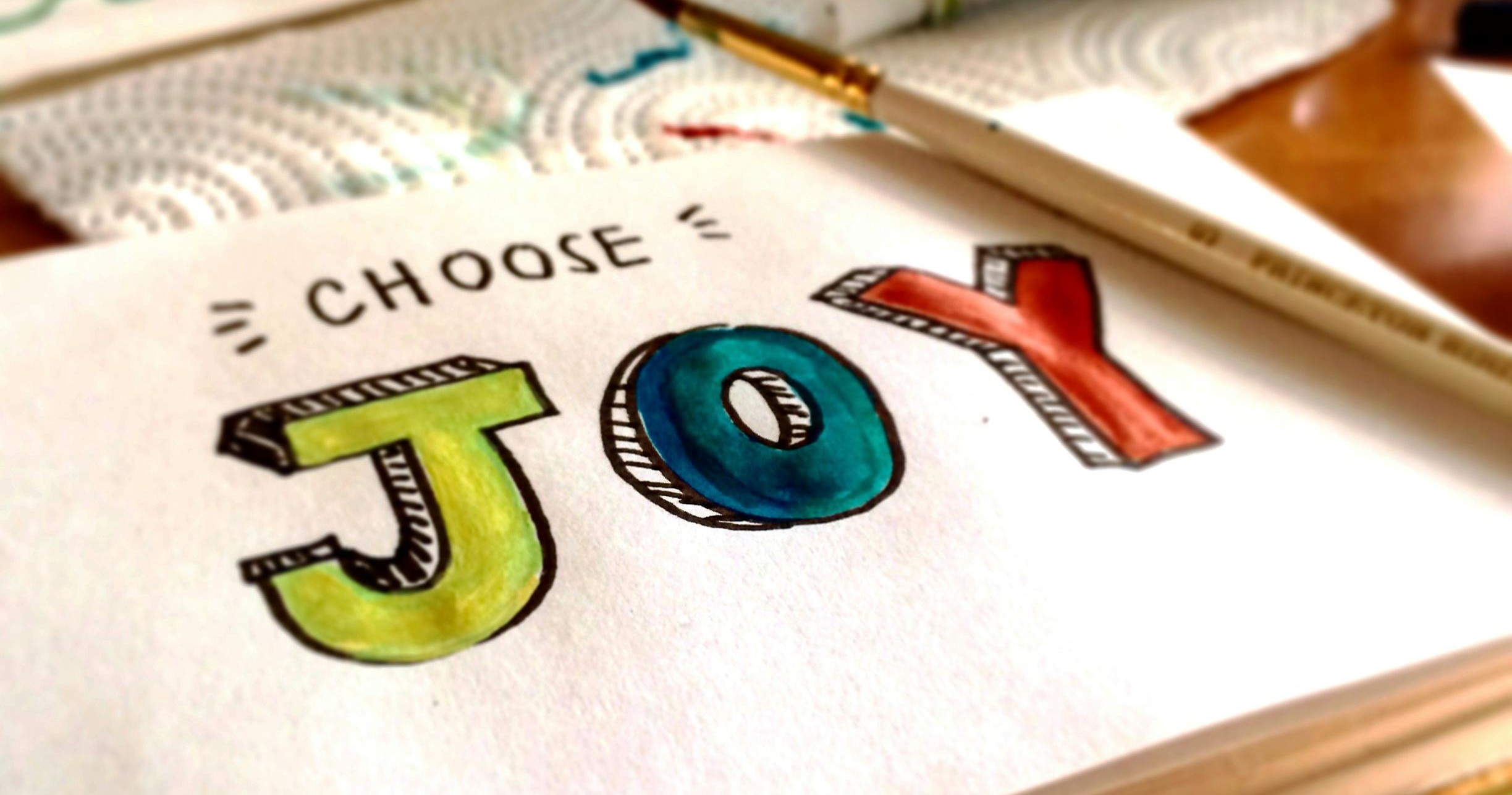
Joy Isn’t Extra
Emotional wellness often gets framed as something you “work on” when life finally slows down. However, life rarely slows down on its own. Responsibilities expand, inboxes refill, and fatigue quietly becomes the default. That’s why scheduling joy like an appointment isn’t cheesy—it’s practical. Joy is not a reward for finishing everything. Instead, it’s a vital ingredient that helps you keep going, recover faster, and feel more like yourself.
When you treat joy as optional, it disappears first. The gym gets postponed, the hobby dusts over, and the “I’ll call my friend soon” becomes months. Meanwhile, your nervous system stays stuck in survival mode. On the other hand, when you put joy on the calendar—like you would a meeting—you stop negotiating with exhaustion. You make space for small moments that refill your emotional tank.
This approach doesn’t mean pretending everything is fine. Rather, it supports you while you’re still dealing with hard things. Joy can coexist with grief, anxiety, or stress. In fact, gentle joy often helps you hold those feelings with more steadiness. Think of it as emotional first aid, not denial.
Over the next sections, you’ll learn how to schedule joy in a realistic, therapeutic way—without forcing positivity, overspending, or turning self-care into another chore. You’ll build a system that fits your life, protects your energy, and helps you feel lighter in small, repeatable steps.
The Role of Joy in Emotional Wellness
Joy is more than an emotion. It’s also a signal to your brain and body that you’re safe enough to soften. When your nervous system senses safety, it becomes easier to regulate emotions, think clearly, and connect with others. That’s why people often feel more patient and resilient after even a short uplifting moment—like laughing with a friend or walking outside.
Research in positive psychology suggests that positive emotions can broaden attention and build long-term resources. In simple terms, joy can widen your perspective. It helps you see options instead of only threats. It also supports coping, because your mind becomes less rigid when you feel even slightly better. Consequently, joy doesn’t just feel good—it can help you function better.
Importantly, joy doesn’t need to be intense. Emotional wellness grows from repeated, ordinary moments: a warm drink, music during chores, sunlight on your skin, or a five-minute stretch that brings you back to your body. Those “small joys” add up because they interrupt chronic stress patterns.
Moreover, joy can reduce emotional depletion. When you run on empty for too long, your tolerance shrinks. Small inconveniences feel huge. Conflicts escalate faster. Motivation drops. By contrast, joy supports replenishment, which strengthens your capacity to handle what’s already on your plate.
If joy feels far away right now, that doesn’t mean you’re doing something wrong. It may mean your system is overworked. Scheduling joy is a gentle way to help your body learn, again and again, that relief is allowed—and that your wellbeing deserves a place on the calendar.
Joy vs. Escape
Some people hesitate to “schedule joy” because it sounds like ignoring reality. Others confuse joy with escapism, which can make them feel guilty afterward. So let’s clarify the difference.
Joy supports your life. Escape avoids your life. Joy tends to leave you feeling more grounded, more connected, or more energized. Escape often leaves you feeling foggy, behind, or disconnected—especially if it becomes compulsive.
For example, watching a comfort show for thirty minutes after a long day might feel restorative. That can be joy. On the other hand, binge-watching until 3 a.m. because you dread tomorrow may be escape. Likewise, scrolling can be relaxing in small doses, yet draining when it turns into numbness.
Scheduling joy helps because it turns relief into a conscious choice. Instead of collapsing into whatever is easiest, you select an activity that genuinely supports your emotional wellness. That shift matters. Intention changes the outcome.
Joy also respects your values. If you value creativity, then cooking, writing, or doodling might nourish you more than passive entertainment. If you value connection, then a short voice note to a friend might refill you more than another hour online. Because you choose on purpose, your joy becomes aligned, not random.
Additionally, planned joy reduces the “all or nothing” trap. Many people think self-care must be elaborate to count. Yet consistent micro-joy is often more sustainable than occasional grand treats. When joy becomes small and regular, it becomes part of your emotional hygiene—like brushing your teeth, not a once-a-year spa day.
Why Scheduling Works
Scheduling joy works because your brain treats time differently when it’s already decided. When an activity sits in your head as a vague intention, it competes with everything else. “Maybe later” easily becomes “not today.” However, when joy has a set time—especially with a reminder—it becomes a commitment rather than a wish.
There’s also a therapeutic principle behind this: behavior can lead emotions. You don’t always need to “feel like it” first. Many evidence-based approaches, including behavioral activation, encourage people to re-engage with meaningful or pleasant activities even when motivation is low. Over time, action can improve mood and reduce avoidance.
Scheduling joy also reduces decision fatigue. After a demanding day, choosing what would feel good can feel strangely hard. Your mind is tired, so it defaults to habits that require the least effort. Planning ahead makes the choice when your brain is clearer, not when you’re depleted.
Another reason scheduling works is that it sets boundaries. When joy is protected time, it becomes less likely to be eaten by errands, last-minute favors, or “just one more task.” You’re more likely to treat it seriously because it looks like a real appointment—because it is.
Finally, scheduled joy builds trust with yourself. Every time you show up for your own wellbeing, you send a powerful message: “I matter, even when things are busy.” That message can slowly reshape your self-worth, especially if you’re used to pushing yourself past your limits.
What Steals Your Joy
Before you add joy to your schedule, it helps to notice what tends to steal it. Otherwise, you might plan something lovely and still find yourself skipping it. Awareness turns this into a solvable problem rather than a personal flaw.
One common joy thief is over-responsibility. If you feel like everything depends on you, your brain may label joy as “unsafe” or “undeserved.” Another thief is perfectionism. When you believe joy must be earned through flawless productivity, rest becomes impossible.
Chronic stress can also dull joy. When your nervous system stays on high alert, it prioritizes survival signals over pleasure signals. As a result, even good things can feel muted. This is not laziness—it’s physiology. Likewise, burnout can make previously enjoyable activities feel like work.
Guilt is another big one. Many caring people feel guilty for resting when others are struggling. Yet guilt-driven overgiving often leads to resentment and exhaustion. In the long run, that helps no one.
Also, consider time leaks. Sometimes joy disappears because your day is full of invisible minutes: extra scrolling, unplanned errands, or saying yes by default. Those moments aren’t inherently bad, but they can crowd out the very things that restore you.
As you continue, you’ll learn how to work with these joy thieves gently. The goal is not to “fix” yourself. Instead, you’ll build a structure that protects joy even when your mood, energy, or circumstances fluctuate.
Build Your Joy Menu
Scheduling joy gets easier when you stop relying on one perfect activity. Instead, create a “joy menu”—a simple list of options that match different energy levels. That way, you always have something that fits your real day, not your ideal day.
Start by thinking in categories. Some joys are calming: reading, warm showers, gentle stretching, journaling, gardening, or slow music. Other joys are energizing: dancing, brisk walks, cleaning with a playlist, trying a new café, or learning something fun. Some joys are connecting: a call with a friend, a shared meal, sending a thoughtful message, or joining a class.
Then consider “micro-joys” that take 2–10 minutes. These matter because they’re easier to protect. For example, stepping outside for sunlight, brewing tea mindfully, listening to one song with full attention, or doing a short breathing practice can shift your mood more than you’d expect.
Also include “meaning joys.” These are activities that feel purposeful: volunteering, mentoring, creative projects, faith practices, or working toward a personal goal. Meaningful joy often has the deepest impact on emotional wellness because it aligns with your values.
Keep the menu realistic. If you’re exhausted, “run 5K” might not feel kind. Choose options you can actually do on an average week.
Once your menu exists, scheduling becomes simple. You’re no longer asking, “What should I do?” You’re only asking, “Which option fits today?” That small shift makes consistency far more likely.
The Appointment Method
Now let’s turn joy into something your calendar can hold. The appointment method is straightforward: choose a time, choose an activity, and protect it the way you would protect something important.
First, schedule joy for when it will actually happen. If evenings are chaotic, plan a morning joy ritual. If afternoons are your slump, schedule a 15-minute recharge. Match the timing to your natural rhythm.
Second, name it like an appointment. Instead of “self-care,” write something specific: “Sunlight walk,” “Coffee with music,” “Call with Mia,” or “Sketch time.” Specific labels reduce resistance because your brain understands what’s required.
Third, keep the first commitments small. Many people fail because they start too big. Begin with 10–20 minutes, two or three times a week. Consistency matters more than intensity. After that becomes normal, you can expand.
Fourth, reduce friction. Prepare what you need ahead of time: shoes by the door, book on the table, playlist ready, or a reminder set. When joy is easy to start, it’s easier to keep.
Lastly, treat cancellations like real cancellations. If you must move it, reschedule it immediately. Don’t erase it. This step is key because it trains your brain to see joy as essential maintenance, not a disposable luxury.
Over time, your calendar becomes a care plan. It quietly says, “My life includes recovery, not just output.”
Micro-Joy on Busy Days
Some days won’t allow a long break. That’s where micro-joy becomes your emotional wellness lifeline. Micro-joy is not a lesser version of joy—it’s a realistic strategy for modern life.
Start by attaching joy to things you already do. While brushing your teeth, play a favorite song. During lunch, sit near a window instead of your screen. On your commute, listen to something uplifting rather than stressful. These small shifts can change how your day feels because they interrupt autopilot.
Next, use “transition moments.” In between tasks, your brain needs a reset. Even 60 seconds can help. Try a slow exhale, a quick stretch, or a short grounding practice like noticing five things you can see. These moments help your nervous system downshift, which makes the next task feel less overwhelming.
Also, build “tiny celebrations.” When you finish something hard, pause for a mini win: sip water slowly, step outside, or send a quick message to someone you like. That reinforces a sense of progress, which supports motivation.
If you tend to postpone joy until the end of the day, experiment with earlier joy. When you front-load even a small pleasant moment, you create emotional cushioning. As a result, stress hits differently because you’re not starting at zero.
Micro-joy isn’t about squeezing more into your day. It’s about changing the quality of what’s already there, one small moment at a time.
Drop the Guilt
Guilt often shows up when you start prioritizing joy—especially if you’re used to being the dependable one. You might think, “I don’t have time,” “I haven’t earned it,” or “Other people need me more.” Yet guilt is not always a moral compass. Sometimes it’s just a habit formed by over-functioning.
Joy is not selfish. It’s self-sustaining. When you refill yourself, you show up with more patience, clarity, and compassion. Without replenishment, even love can start to feel like obligation. That’s why scheduling joy supports your relationships, not just your mood.
If guilt hits, try reframing joy as maintenance. You don’t feel guilty for charging your phone, because you know it won’t work otherwise. Your body and mind operate the same way. Emotional wellness requires regular recharging.
Boundaries also protect joy. If you often say yes automatically, joy will keep getting pushed out. Practice a gentle no: “I can’t today, but I can next week,” or “I’m not available at that time.” You don’t need a dramatic explanation. A simple boundary is enough.
Finally, expect discomfort at first. When you change patterns, your brain may protest because it’s used to the old rule: “Work first, rest later.” Stay steady anyway. Each time you keep a joy appointment, you teach your nervous system a new truth: rest and joy are allowed now, not someday.
Joy With Other People
Emotional wellness grows faster when joy includes connection. Humans are wired for belonging, and supportive relationships can lower stress and strengthen coping. Even brief positive interactions—like shared laughter or a warm conversation—can shift your mood.
Start small. If socializing feels draining, choose low-pressure connection: a 10-minute call, a short walk with a friend, or sending a voice note instead of texting. The goal is not performance. The goal is presence.
Also, schedule “parallel joy.” This is when you do your own activity near someone else: reading beside your partner, doing chores with music together, or working quietly in the same room. Parallel joy can feel deeply regulating, especially for people who want connection without heavy conversation.
If you have a family, invite everyone into the idea of joy appointments. A weekly “joy hour” can be simple: board games, cooking together, a movie night, or a park visit. When joy becomes a household value, it stops feeling like something you have to defend.
Still, protect your energy. Not every relationship is energizing. Joy appointments should include people who feel safe, kind, and respectful. If someone consistently leaves you anxious or depleted, that’s information—not a failure.
Lastly, let joy deepen intimacy. Instead of only talking about problems, share small delights: a song you love, a funny moment, a small win. Those tiny shares build emotional closeness over time. Connection becomes lighter, not only serious, and that balance supports mental health.
When Joy Feels Impossible
Sometimes joy feels unreachable. If you’re dealing with depression, chronic anxiety, grief, or burnout, your brain may struggle to access pleasure. This experience is common, and it doesn’t mean you’re broken. It often means your system is overwhelmed.
In those seasons, lower the bar. Instead of aiming for joy, aim for “gentle relief.” Relief might look like sitting in fresh air, taking a warm shower, eating something nourishing, or lying down without screens for ten minutes. These steps still count. They support regulation, which is often the first step toward joy returning.
Also, choose activities with the least resistance. If you can’t imagine doing something new, repeat something familiar and comforting. Familiarity reduces mental load. Over time, small actions can create tiny shifts in mood and momentum.
Pay attention to safety signals. A calm voice, a cozy blanket, steady breathing, or soft lighting can help your nervous system feel less threatened. When the body softens, emotions become more accessible.
If joy has been absent for weeks, or daily functioning feels hard, consider professional support. Therapy can help you understand what’s maintaining the heaviness and offer tools that fit your situation. You deserve support that goes beyond “try harder.”
Scheduling joy is not a cure-all. Still, it can be one caring practice that helps you keep contact with hope—especially when life feels heavy.
Make Joy a Lifestyle
The goal isn’t to force happiness every day. The goal is to build a life where emotional wellness has a reliable place. When joy becomes scheduled, it becomes sustainable. You stop waiting for motivation, and you start creating conditions where wellbeing can grow.
Begin with one joy appointment this week. Put it on your calendar. Make it small. Choose something from your joy menu. Then show up for it with the same respect you’d give an important meeting.
After that, review gently. Ask: “Did this restore me?” If yes, keep it. If not, adjust. Emotional wellness isn’t about doing what “should” work—it’s about discovering what actually supports you.
Next, protect your joy appointments with compassionate boundaries. When interruptions happen, reschedule instead of quitting. That one habit—rescheduling—turns joy into a commitment rather than a mood-based option.
Over time, your system learns something powerful: life includes you, not just your tasks. You start to feel more present, more grounded, and more capable of handling stress. That’s the quiet magic of scheduled joy. It doesn’t eliminate challenges, yet it strengthens you for them.
If you want a simple mantra, try this: “Joy is part of my care plan.” For example, say it when guilt appears. Then, say it when you’re tempted to cancel. Finally, say it until your actions start believing it.
Emotional wellness grows in the small, repeated choices. So schedule joy like an appointment—because you deserve to exist in your life, not just manage it.
FAQ: Scheduling Joy
People often ask how to make scheduled joy realistic. The first key is starting small. Ten minutes of a nourishing activity done consistently can support emotional wellness more than a rare, expensive treat. Consistency builds trust with yourself, which makes joy easier to access over time.
Another common question is what to do when you keep skipping your joy appointments. Usually, the activity is too big, the timing doesn’t match your energy, or the plan has too much friction. Adjust one variable: shorten the time, move it earlier, or prep what you need ahead of time. When starting feels easier, showing up becomes more likely.
Some wonder whether scheduling joy makes it feel forced. At first, it can. However, structure often creates freedom. Once joy becomes normal, it feels less like a task and more like a natural part of your week. The goal is not to manufacture emotion on command. The goal is to create opportunities where joy can happen.
If guilt shows up, treat it as a signal to reframe. Joy is not indulgence; it’s maintenance. Recharging improves patience, focus, and emotional regulation—skills you need for work, relationships, and daily stress.
Finally, many ask when to seek extra support. If joy has been absent for a long time, or functioning feels difficult most days, professional help can make a big difference. You don’t have to wait until things get worse. Support is a valid part of emotional wellness too.