
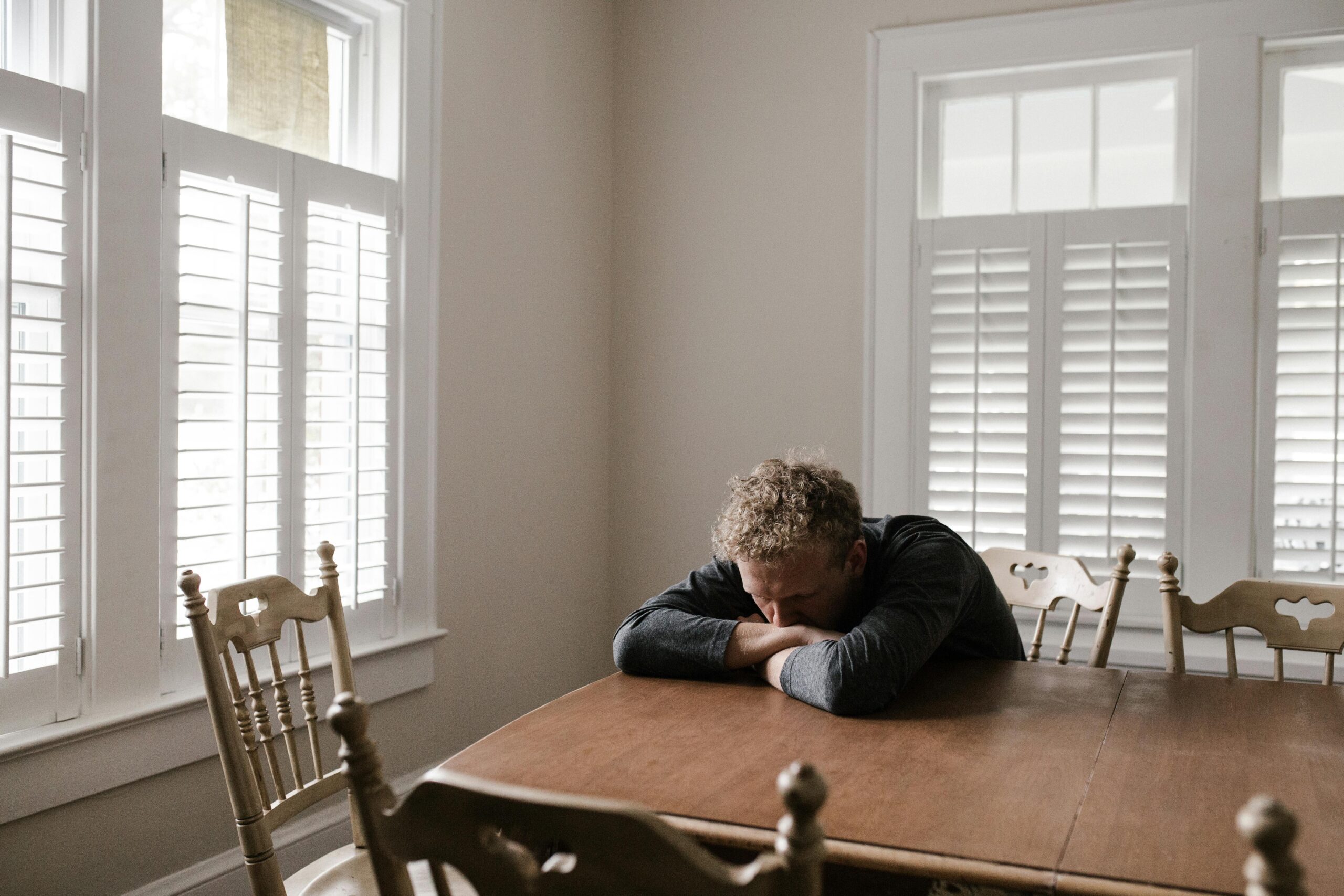
How Your Body Talks
Stress doesn’t always arrive as racing thoughts or a feeling of panic. Often, it shows up in places you don’t expect—your temples, your stomach, your skin. That’s because stress isn’t “just mental.” It’s a full-body experience driven by your nervous system and hormones, especially cortisol and adrenaline. When your brain senses pressure or threat (even emotional or ongoing stress), it can activate the fight-or-flight response through the sympathetic nervous system. This shifts blood flow, tightens muscles, changes digestion, and can influence immune activity—making day-to-day symptoms feel louder and more persistent.
Why stress can look like headaches, gut issues, and skin flare-ups
For headaches, stress commonly increases muscle tension in the neck, scalp, and jaw, which can contribute to tension-type headaches. It can also disrupt sleep, and poor sleep is strongly linked to more frequent and more intense headaches for many people.
In the gut, stress can alter how quickly your stomach empties and how your intestines move. It also affects the gut–brain axis (the two-way communication between your digestive system and your brain), which is why stress can worsen bloating, nausea, cramps, diarrhea, or constipation—even when you’re “doing everything right.”
For skin, stress hormones may increase inflammation and weaken the skin barrier. Many people notice flare-ups of conditions like acne, eczema, or psoriasis during high-stress seasons.
The bigger pattern (and what helps)
This matters because many people treat only the symptom—pain relievers for headaches, antacids for the gut, creams for the skin—without noticing the bigger pattern. Those supports can help, of course. But if stress keeps activating your body’s alarm system, symptoms often return.
In this blog, you’ll learn how stress can contribute to these symptoms, plus practical ways to calm your nervous system—like breathing that slows your heart rate, gentle movement, consistent sleep routines, and small “recovery pauses” throughout the day. You’ll also learn when symptoms may signal something that needs medical attention, because mental health support and medical care can absolutely work together.
The Body–Mind Connection
Your mind and body communicate constantly. Stress changes that conversation. When your brain senses threat—whether it’s a deadline, conflict, financial worries, or ongoing uncertainty—it signals your body to prepare for action. This response helps you survive short-term challenges. Yet when stress becomes frequent or chronic, your body stays in “high alert” longer than it was designed to.
Stress activates the hypothalamic-pituitary-adrenal (HPA) axis, which releases cortisol, commonly called the stress hormone. In healthy doses, cortisol supports energy, focus, and inflammation control. Still, long-term cortisol elevation can disrupt sleep, tighten muscles, alter digestion, and affect immune function. At the same time, the sympathetic nervous system ramps up—your heart rate rises, breathing becomes shallow, and muscles brace. Meanwhile, “rest and digest” functions slow down.
That’s why stress can look like physical illness. Your body isn’t being dramatic. It’s responding to chemistry and nervous system signals. Even more, your body keeps score of stressors you push through without rest. So symptoms don’t always appear during the stressful moment. Sometimes they show up later—on weekends, at night, or right after you finally pause.
Because of this, it helps to shift the question from “What’s wrong with me?” to “What is my body trying to tell me?” That mindset reduces shame and increases curiosity—two key ingredients for healing.
Headaches That Won’t Quit
Headaches often act like a stress barometer. When stress rises, your body may tighten muscles in the jaw, neck, shoulders, and scalp. That tension can lead to tension-type headaches, which may feel like pressure around your forehead or a tight band around your head. Many people also clench their teeth or grind at night when stressed, which adds strain to the jaw and temples.
Stress can also contribute to migraines for some people. While migraines have multiple triggers and vary widely, stress is commonly reported as a factor. Interestingly, migraines sometimes hit after stress eases—this is known as a “let-down” effect. Your body stays in overdrive during the stressful period, then crashes when the pressure lifts.
Sleep plays a role too. Stress can shorten sleep, fragment it, or keep your mind active at bedtime. Poor sleep increases pain sensitivity and can make headaches more frequent. At the same time, dehydration and irregular meals—common when you’re busy—also raise headache risk. So stress doesn’t always “cause” the headache alone; instead, it pushes multiple buttons at once.
Try noticing patterns: Do headaches appear after long screen hours, skipped meals, tense meetings, or emotional conversations? Awareness doesn’t solve everything, but it points you toward the most helpful adjustments.
If headaches come with warning signs—sudden severe pain, confusion, fainting, weakness, vision loss, fever, or the “worst headache of your life”—seek urgent medical care. When symptoms feel persistent or intense, medical evaluation and mental health support can complement each other.
Gut Issues and the “Second Brain”
Your gut has its own nervous system called the enteric nervous system, sometimes nicknamed the “second brain.” It communicates with your brain through the gut-brain axis, involving nerves (especially the vagus nerve), hormones, and immune signals. That’s why stress can quickly affect digestion—even if you ate the same food you always do.
When stress activates the fight-or-flight response, digestion slows. Blood flow shifts away from the stomach and intestines toward muscles, because your body prepares to run or defend. As a result, you may feel nausea, bloating, constipation, diarrhea, or cramping. Some people lose appetite under stress; others crave comfort foods because the body seeks quick energy and soothing sensations.
Stress can also influence the gut microbiome—the community of bacteria that supports digestion, immunity, and even mood. Research suggests chronic stress can alter the balance of gut bacteria and increase gut sensitivity. That doesn’t mean stress is the only factor in digestive issues, but it can amplify symptoms and make recovery slower.
You might notice your stomach reacts strongly during emotionally loaded seasons—work transitions, family conflict, grief, relationship stress, or prolonged uncertainty. If you live with IBS (irritable bowel syndrome), stress often increases flare-ups. Even without a diagnosis, stress can create a cycle: gut discomfort increases worry, and worry increases gut discomfort.
If you see blood in stool, unexplained weight loss, persistent vomiting, severe abdominal pain, fever, or symptoms that keep worsening, consult a medical professional. Still, even when medical tests come back “normal,” your symptoms are real. Stress-related gut issues deserve support, not dismissal.
Stress and Skin Flare-Ups
Your skin responds to stress because it’s closely connected to your immune system and inflammation pathways. When you’re under pressure, your body releases stress hormones like cortisol and adrenaline. These can amplify inflammatory signals and shift immune activity, which may trigger or worsen certain skin conditions. Many people notice flare-ups of acne, eczema, psoriasis, hives, or general itching during stressful periods—especially when stress is ongoing rather than a one-time event.
The skin barrier gets more vulnerable
Stress can also weaken the skin barrier, the outer layer that helps your skin hold onto moisture and protect you from irritants, allergens, and bacteria. When that barrier is compromised, skin may become drier, more sensitive, or more reactive than usual. Small triggers—weather changes, friction, fragrance, sweat—can suddenly feel like “too much.”
Stress changes habits in sneaky ways
At the same time, stress can shift everyday behaviors that affect skin health. You might touch your face more, pick at blemishes, rush skincare, sleep less, eat more sugary or processed foods, or forget hydration. These aren’t moral failures—they’re common stress responses. But they can quietly add fuel to flare-ups.
The emotional loop
There’s also an emotional layer: visible skin changes can trigger self-consciousness, which increases stress and keeps the cycle going. This feedback loop can feel exhausting, especially when you’ve tried everything “right” and your skin still reacts.
When to get support
Because skin symptoms can have many causes—hormonal changes, allergies, infections, or product reactions—it helps to notice timing and context. Ask: Did this flare-up follow a stressful week? Did sleep drop? Did you change products? Awareness helps you choose the next best step: skincare adjustments, medical advice, and nervous system regulation.
If you experience severe swelling, difficulty breathing, widespread hives, signs of infection (warmth, pus, fever), or painful rashes that spread quickly, seek urgent medical attention.
Why Stress Hits Different Bodies Differently
Two people can go through the same stressful event and have completely different symptoms. One gets headaches. Another gets stomach cramps. Someone else breaks out in eczema. This doesn’t mean one person is “weaker.” It means bodies have unique sensitivity points shaped by genetics, past experiences, health history, lifestyle, and the types of stress they carry.
Your nervous system also learns patterns. If you grew up in an environment where you had to stay alert—emotionally or physically—your body may default to hypervigilance. Over time, that can increase muscle tension, digestive sensitivity, or inflammatory responses. Trauma, chronic stress, and ongoing overwhelm can make the body respond as if danger is always nearby, even when you’re technically safe.
Meanwhile, daily habits matter. Sleep, hydration, movement, nourishment, and social support influence stress resilience. If you’re running on empty, stress hits harder and lasts longer. Additionally, if you don’t have safe places to process emotions, the body often carries what the mind can’t express.
This is why stress management isn’t only about “thinking positive.” It’s about helping your nervous system shift from survival mode to regulation. That shift can reduce symptoms and support healing. It also makes coping skills stick, because you aren’t trying to learn calm while your body is shouting danger.
Gentle Signs You’re Carrying Too Much
Sometimes, stress doesn’t show up as obvious anxiety. Instead, it appears as subtle shifts: irritability, constant fatigue, brain fog, clenched jaw, shallow breathing, or feeling “on edge” for no clear reason. You might notice you get sick more easily, feel less patient with loved ones, or struggle to enjoy things that normally feel good.
Other signs include waking up tired, feeling wired at night, craving sugar or caffeine, or needing constant distraction to unwind. Some people become extra productive and can’t stop moving; others shut down and feel numb. Both responses can be stress patterns.
If you keep telling yourself you should be “fine,” yet your body keeps sending symptoms, that mismatch is important information. Your body often speaks first. It doesn’t mean you’re failing. It means something needs care—rest, boundaries, support, or a different way of coping.
When you begin seeing stress symptoms as signals rather than inconveniences, you can respond earlier, before things escalate. Early intervention often looks simple: five minutes of breathing, a walk, a meal, a check-in with a friend, or saying no to one extra commitment. Those small moments matter because they teach your nervous system that safety exists too.
Practical Ways to Calm Stress in Real Life
Stress reduction doesn’t have to be perfect to be effective. You don’t need an hour-long routine or a retreat. You need consistent, doable actions that help your body return to balance. Start with one or two that feel realistic and build from there.
Breathing is the fastest direct pathway to your nervous system. Slow exhalations help activate the parasympathetic response. Try inhaling for four seconds and exhaling for six seconds for two minutes. This simple shift can reduce muscle tension and settle your gut. Even better, use it before stressful meetings, after commuting, or before sleep.
Movement helps stress hormones metabolize. A ten-minute walk, gentle stretching, or a short dance break can reduce tension headaches and improve digestion. If you sit all day, your body often holds stress in stillness. Movement tells your nervous system, “We’re safe enough to release.”
Hydration and regular meals stabilize the body. Stress often creates blood sugar swings, which increase anxiety-like sensations. So eating balanced meals—especially with protein—and drinking enough water can support mood and reduce headache frequency.
Sleep is foundational. If your brain won’t shut off, try a wind-down ritual: dim lights, lower screen time, and do something repetitive like showering, stretching, or journaling. Consistency matters more than intensity.
Emotional processing also helps. Talk to someone safe, write freely for ten minutes, or name what you feel without judging it. Stress grows in silence. Expression creates movement, and movement creates relief.
Therapeutic Tools That Help Long-Term
Quick stress relief tools—like breathing exercises, a short walk, or a warm shower—can help in the moment. But long-term regulation often takes deeper work, especially if your nervous system has been “on” for a long time. Therapy can help you identify what keeps your stress response activated and build new ways to respond, not just new ways to cope. For example, if your stress is driven by perfectionism, people-pleasing, or fear of conflict, you may need boundary work and self-compassion—not only relaxation techniques.
Therapy options that support long-term change
Different approaches target stress from different angles:
- Cognitive Behavioral Therapy (CBT): helps you notice stress-amplifying thoughts (like catastrophizing or all-or-nothing thinking), challenge them, and replace them with more balanced perspectives—while building practical coping strategies.
- Somatic approaches: help you tune into body cues (tight chest, clenched jaw, shallow breathing) and gently release tension patterns, so your body doesn’t stay stuck in “alarm mode.”
- Mindfulness-based therapies: support attention and emotional regulation, reducing reactivity and helping you respond with more choice rather than autopilot.
- Trauma-informed therapy: is especially helpful when stress responses are linked to past experiences that taught your nervous system to stay hyper-alert.
Small boundaries that retrain your nervous system
You can also practice “micro-boundaries,” like pausing before you say yes, scheduling a real lunch break, taking a few minutes between meetings, or ending work messages at a specific time. These small shifts build trust with yourself. Over time, that trust reduces stress because your nervous system learns: I will protect my energy.
The role of self-compassion
Self-compassion supports healing too. When you treat yourself kindly, your system softens. Instead of pushing through pain or blaming yourself for symptoms, you can respond with care. That alone can lower stress by removing the “second layer” of stress—self-criticism—so your body has more room to settle and recover.
When to Get Extra Support
Stress-related symptoms can be common, but you never have to guess alone. Consider getting additional support when physical symptoms happen frequently, disrupt your daily life, or increase in intensity. Also reach out when stress affects your relationships, sleep, motivation, or sense of hope.
A medical check-up can rule out underlying conditions. At the same time, counseling or therapy can address the stress patterns that keep symptoms cycling. Many people benefit from both. This isn’t an either-or situation. Your body and mind deserve team-based care.
If you feel overwhelmed most days, struggle with panic symptoms, experience persistent sadness, or notice burnout signs like numbness, cynicism, or exhaustion that rest doesn’t fix, mental health support can help you reset. Also, if you’ve experienced trauma, grief, or major transitions, therapy provides a steady space to process what your body may still be holding.
You don’t need to wait until you “hit bottom.” Early support can prevent long-term strain and improve physical symptoms. Stress may be a normal response, but chronic stress doesn’t have to be your normal lifestyle.
A Kinder Way to Listen to Your Body
Headaches, gut issues, and skin flare-ups can feel deeply frustrating—especially when you’re doing your best and you just want your body to cooperate. Still, these symptoms often act like messengers. They’re not proof that you’re broken. They’re signals that your system needs something: rest, support, regulation, or emotional release.
When you approach stress with curiosity, you create room for healing. Instead of asking, “What’s wrong with me?” you can begin asking, “What is my body trying to tell me?” That shift matters because stress doesn’t stay only in the mind. When your nervous system is repeatedly activated, your body may stay in a heightened state—muscles tighten, digestion becomes more sensitive, and inflammation can increase. Over time, your body learns to “speak up” through discomfort because it’s trying to get your attention.
The good news is that patterns can become clearer with gentle observation. You may notice symptoms spike after poor sleep, nonstop screen time, missed meals, conflict, overcommitment, or weeks without real downtime. The sooner you recognize your triggers, the sooner you can respond—before your body has to shout.
If your body has been speaking through pain, discomfort, or flare-ups, start small. Choose one supportive step today: breathe longer on the exhale for one minute, relax your jaw and drop your shoulders, drink a full glass of water, eat a grounding meal with protein and fiber, or take a short walk outside. If you can, share what you’re carrying with someone you trust or a mental health professional. Then tomorrow, take another step. That’s how regulation grows—slowly, steadily, and with compassion.
And a reminder: if symptoms are severe, sudden, or worsening—like intense headache changes, persistent stomach pain, blood in stool, signs of infection, or widespread hives with breathing difficulty—seek medical care. Support can be both emotional and medical.
Your body isn’t betraying you. It’s communicating. And you can learn to answer with care.