
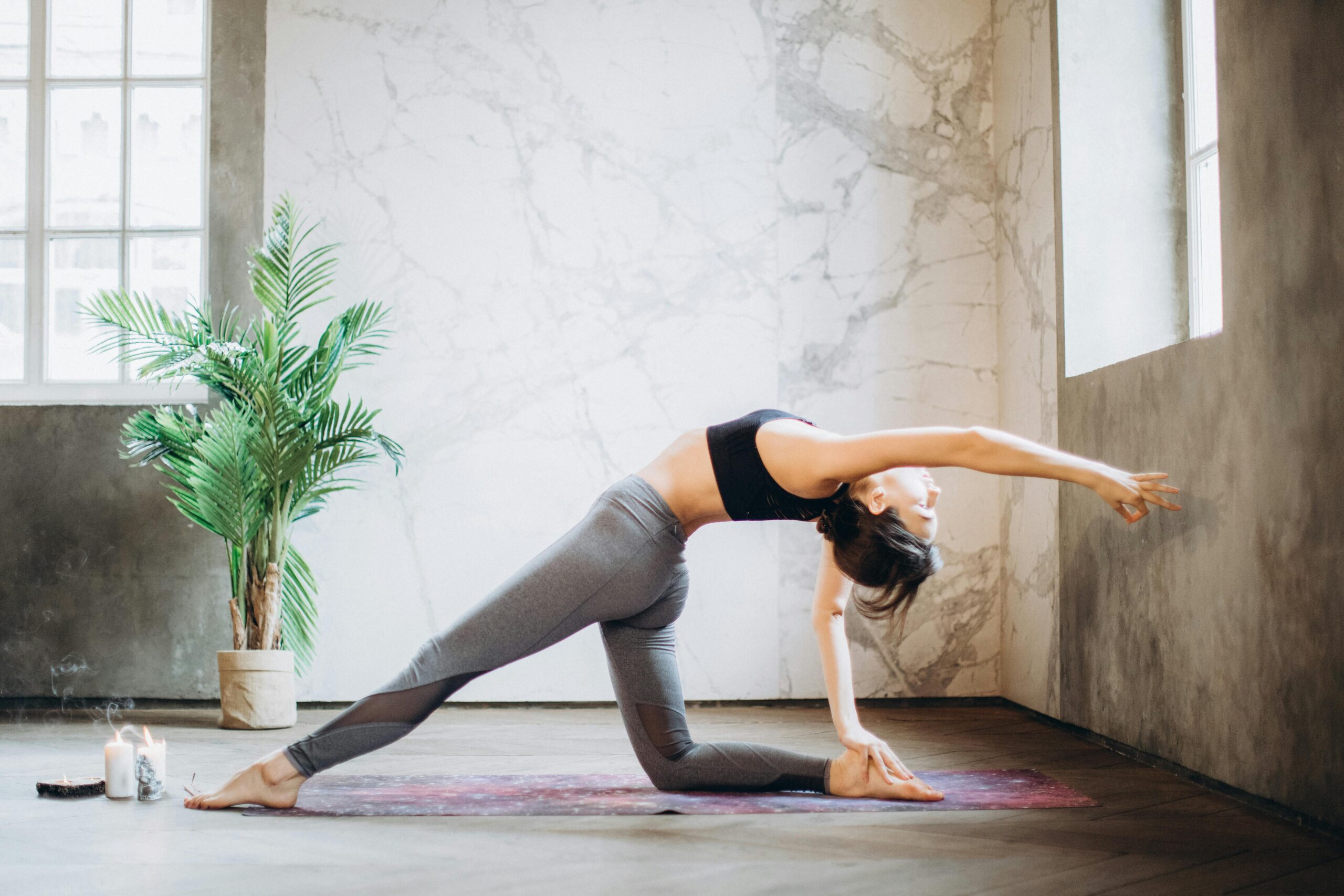
The Science Behind Movement and Mental Health
There’s a growing body of research showing what many people have intuitively known for centuries — that physical movement can be as powerful as traditional medicine for mental health. Exercise and movement increase the production of endorphins, serotonin, and dopamine — the “feel-good” chemicals that elevate mood and calm anxiety.
When you move your body, even gently, your brain releases these natural antidepressants. Movement also helps regulate cortisol, the stress hormone, allowing your body to return to balance more quickly after stressful experiences. Over time, regular movement can reduce symptoms of anxiety, depression, and emotional exhaustion.
But the benefits go beyond chemistry. Movement gives your mind something to focus on that isn’t overthinking or worrying. It grounds you in the here and now. Whether it’s through yoga, walking, swimming, or even dancing around your living room, movement creates a space where your mind can rest and your body can take over.
It’s not about perfection or performance — it’s about presence.
Recent studies in neuroscience suggest that movement stimulates brain regions responsible for memory, attention, and learning. That means that by moving, you’re not only improving your mood — you’re supporting your brain’s long-term health and resilience. Think of it as an investment in both your mental clarity and emotional balance.
Movement as Emotional Release
Our bodies remember what our minds try to forget. Every unspoken word, every held tear, every anxious thought often leaves its imprint somewhere in the body — in tight shoulders, clenched jaws, or shallow breaths. That’s why movement can feel so profoundly healing. It gives your body a way to express what words cannot.
Have you ever noticed how you feel lighter after a long walk or more at peace after stretching? That’s because movement helps release stored tension and emotion. As you move, you allow energy to flow again. You literally move through your feelings instead of staying stuck in them.
This is especially true for mindful forms of movement like yoga, tai chi, or slow stretching, where each breath and motion connects to awareness. These practices remind you that you are safe to feel, to release, and to let go.
Movement can be a kind of self-therapy — one that doesn’t require words, only presence. It becomes a ritual of returning home to yourself. In trauma therapy, this concept is often called somatic release — the process of allowing the body to discharge built-up energy that the mind has suppressed.
When you cry after a yoga session or feel suddenly calm after dancing, that’s your body healing in real time.
Movement as Mindfulness
So many of us live in our heads — planning, analyzing, worrying, remembering. The mind can be loud, relentless, and exhausting. Movement quiets that mental noise by bringing us into the body, into the now.
When you move with awareness, even simple actions like walking become meditative. You begin to notice the rhythm of your steps, the sound of your breath, the feeling of the wind or sun on your skin. In those moments, you are not lost in thoughts — you are fully alive in the present.
This is what makes movement a form of mindfulness. It’s meditation in motion. It’s a reminder that healing doesn’t always happen sitting still — sometimes it happens when you move.
Mindful movement teaches you to listen to your body’s cues rather than override them. You start to notice when you need rest, nourishment, or energy. You realize that your body has wisdom, and that slowing down or stretching is just as important as speeding up.
At Joy Spring Mental Health, we often integrate movement into holistic healing because it helps people reconnect with themselves. Movement grounds you. It steadies your breath. It helps you feel in your body — not just in your head.
Try this: Next time you’re overwhelmed, pause and take a deep breath. Roll your shoulders back. Stretch your arms wide. Notice the air expanding in your lungs. That small act of movement can shift your nervous system from chaos to calm.
How Movement Helps Regulate Emotions
Our emotions are physical experiences. Anxiety might feel like tightness in the chest, sadness like heaviness in the limbs, anger like heat or tension. When you move your body, you’re helping to regulate these emotions through physical release.
Exercise and movement activate the parasympathetic nervous system — the part of your body responsible for rest and recovery. This helps calm your fight-or-flight response and makes it easier to think clearly and respond calmly to challenges.
In therapy, this is sometimes referred to as “bottom-up regulation.” Rather than trying to think your way out of anxiety or sadness (which can make you feel stuck), you start with the body. You use breath, movement, and grounding to send a message to your brain: I’m okay now.
That’s why something as simple as a five-minute walk can change your entire mood. It’s your body’s way of saying, “Let’s reset.”
Regular physical activity also helps regulate sleep, appetite, and energy — all essential parts of emotional health. When your body feels balanced, your emotions follow. It becomes a way of creating inner steadiness that thinking alone can’t achieve.
Movement as Self-Expression
Movement is also one of the most natural forms of self-expression. Before we could speak, we communicated through movement — gestures, rhythm, touch, dance. Our bodies have always been storytellers.
When you allow yourself to move freely, you’re giving your body permission to express what’s inside. This doesn’t have to mean dancing in front of others or going to a gym. It could be swaying gently to music in your kitchen, stretching before bed, or taking a slow walk while letting your thoughts drift.
In those small moments, you’re reconnecting with your creativity and your joy. You’re telling your body, “I trust you.”
Movement also reminds you that joy is still possible, even after hardship. Dancing, running, or even swaying can awaken a sense of freedom that trauma or stress might have dimmed. It becomes a declaration that you are alive — that life, despite everything, is still moving through you.
Every gesture, every step, every breath becomes a creative act of resilience.
The Body-Mind Connection
We often separate “mental” health from “physical” health, but they are two sides of the same coin. The body and mind are in constant dialogue. When you take care of your body, you’re also nurturing your mind.
When you move, you improve circulation and oxygen flow, which helps your brain function more clearly. You also enhance your body’s ability to produce neurotransmitters that support focus, mood stability, and emotional balance.
But perhaps the most important connection is psychological: movement builds trust with yourself. Each time you follow through on a walk, a stretch, or a dance session, you’re keeping a promise to your well-being. You’re showing yourself care and consistency.
That’s where healing deepens — not in grand gestures, but in daily, loving acts of care.
The more you honor that body-mind connection, the more you’ll notice how movement influences your mood, focus, and relationships. It’s a reminder that healing is not just mental — it’s embodied.
Finding the Right Kind of Movement for You
One of the biggest barriers to movement is the idea that it has to look a certain way — intense workouts, strict routines, or gym memberships. But the truth is, movement doesn’t have to be formal or structured to be healing. It just has to feel good and accessible to you.
For some, it’s yoga or Pilates. For others, it’s walking, swimming, gardening, or stretching before bed. The “right” kind of movement is the one that helps you feel grounded, refreshed, or at peace afterward.
Ask yourself: What kind of movement feels like love instead of punishment? What makes your body feel alive?
Maybe it’s dancing to your favorite song, doing gentle morning stretches, or taking mindful walks in nature. When movement comes from a place of joy rather than pressure, it becomes something you look forward to — not something you dread.
At Joy Spring Mental Health, we encourage people to find what works for them — to move in ways that feel natural, nourishing, and sustainable.
Movement and Healing Trauma
For people healing from trauma, movement can be especially powerful — but also sensitive. Trauma often lives in the body as hypervigilance, tension, or numbness. Gentle, mindful movement can help release stored trauma by teaching the body that it is safe again.
Trauma-informed yoga, somatic therapy, and grounding exercises all use movement to reconnect the body and mind. These practices encourage slow, intentional awareness rather than force or control. They help you reclaim your body as a place of safety and trust.
Healing trauma through movement isn’t about intensity — it’s about gentleness. It’s about meeting your body where it is, listening to its cues, and moving with compassion. Over time, you begin to feel more at home in yourself again.
Movement becomes a pathway from survival to living — from being stuck in past pain to rediscovering safety, pleasure, and presence.
Rest as Part of Movement
Just as movement is medicine, so is rest. True healing comes from balance — from the rhythm between action and stillness. After movement, rest allows your body to integrate and recover. It’s not laziness; it’s restoration.
Your body needs both energy and ease, motion and stillness. When you honor both, you create harmony.
Rest can look like lying in stillness, breathing deeply, or taking time to simply exist without doing. It’s during rest that your body repairs itself and your nervous system resets. So when you move, also give yourself permission to rest. They are two parts of the same medicine.
Learning to balance movement and rest is an act of emotional wisdom — knowing when to push and when to pause. In that balance, you find peace.
Movement as a Form of Self-Love
When you move your body, you’re saying, “I care about you.” You’re honoring the vessel that carries you through life.
Movement becomes an act of self-love when it’s done with intention rather than obligation. It’s not about how you look — it’s about how you feel. It’s about building a relationship with your body based on gratitude rather than criticism.
When you move, you start to appreciate your body’s strength, resilience, and wisdom. You realize it’s not your enemy — it’s your home. Every stretch, step, and breath becomes a conversation of kindness with yourself.
That’s the heart of Joy Spring Mental Health’s approach: reminding you that healing doesn’t come from punishment or perfection, but from compassion and care. Movement is one way we return to that compassion, one step at a time.
The Joy of Moving Together
Movement doesn’t have to be a solitary practice. When shared, it becomes a beautiful way to connect with others. Group activities like yoga classes, nature walks, or dance therapy create a sense of belonging and community.
Humans are wired for connection. Moving together reminds us that we’re not alone — that our struggles, joys, and healing are shared experiences. It’s amazing how laughter, sweat, and breath can unite people in a way that words sometimes can’t.
Whether it’s a morning walk with a friend or joining a wellness class, shared movement reinforces that healing happens not just within us, but between us. In community, movement becomes both medicine and mirror — reflecting our shared humanity.
How to Begin
If you’ve been disconnected from your body or haven’t moved in a while, start small. You don’t need fancy equipment or hours of free time. All you need is willingness.
Start with a few minutes a day — maybe stretching after you wake up, taking a mindful walk at lunch, or dancing to a favorite song. Let movement fit naturally into your life.
Pay attention to how your body feels, not how it looks. Celebrate what it can do. Let each movement be a reminder: “I’m here. I’m alive. I’m healing.”
Over time, these small moments of motion add up to something profound — a renewed sense of connection, peace, and vitality.
A Gentle Invitation
You don’t need to move perfectly to heal. You just need to move.
Movement is medicine because it brings you back to yourself — to your body, your breath, your life. It reminds you that even when words fail, your body knows how to heal. It teaches you that transformation isn’t only a matter of the mind; it’s something you can feel in your muscles, your heartbeat, and your breath.
So take a walk. Stretch your arms toward the sky. Dance in your living room. Move like your body is your friend — because it is.
At Joy Spring Mental Health, we believe that healing happens in many forms — through conversation, through stillness, and yes, through movement. Every step, every breath, every mindful moment is medicine. And that medicine lives inside you, waiting to be remembered.