
Warm Weather, Better Movement

Warm weather invites us to move a little more freely, whether that means stretching in the morning sun, taking a walk after lunch, or simply enjoying time outdoors with less stiffness and more ease. As the days grow brighter, it becomes easier to reconnect with our bodies through gentle, natural movement that supports energy, balance, and overall well-being.
The Power of Focused Listening

Focused listening is more than simply hearing words — it is the intentional act of being fully present with another person. When we quiet our internal dialogue and resist the urge to interrupt, fix, or judge, we create space for genuine understanding. Focused listening communicates respect, safety, and care, allowing others to feel seen and valued. In a world filled with distractions and noise, offering someone your undivided attention is a powerful gift — one that strengthens trust, deepens connection, and transforms conversations into meaningful moments.
Mood Tracking: Make Sense of Mood Shifts

Mood tracking is a simple way to spot patterns behind your emotional ups and downs—so mood shifts feel less random and more understandable. By taking 30 seconds once or twice a day to rate your mood (and jot down what you were doing, who you were with, how you slept, what you ate, and any stressors), you start to see what reliably lifts you up or pulls you down. Over time, you may notice clues like “my mood dips after skipping lunch,” “I feel lighter after a short walk,” or “certain conversations leave me tense for hours.” The goal isn’t to judge your feelings—it’s to gather gentle, useful data so you can respond earlier, choose supportive habits, and talk about what’s happening with more clarity and confidence.
Breaking the Cycle of Pressure

Breaking the Cycle of Pressure begins with noticing the silent expectations you carry every day — the ones that say you must achieve more, fix everything, or hold it all together without pause. Over time, this constant self-pressure can create exhaustion, self-doubt, and disconnection from what truly matters. When we slow down and question these internal demands, we create space for self-compassion, clearer boundaries, and healthier ways of responding to stress. The cycle shifts not through force, but through awareness, gentleness, and small, intentional changes.
The Silent Signals of Stress

Stress doesn’t always show up as tears or tantrums—it often whispers before it shouts. It can look like irritability, trouble sleeping, headaches, forgetfulness, or even a sudden loss of motivation. Sometimes it hides behind productivity, perfectionism, or a constant need to stay busy. These silent signals are the body and mind’s way of asking for care and attention. When we learn to notice the subtle shifts—tight shoulders, shallow breathing, snapping at loved ones—we create an opportunity to pause, reset, and respond with compassion instead of pushing through.
Make Self-Care Last

Self-care isn’t a luxury you earn after everything else is done—it’s the foundation that helps everything else get done. When you constantly put your needs last, burnout, resentment, and exhaustion quietly build up. Making self-care last means making it sustainable: small, consistent practices that fit into your real life, not occasional grand gestures that feel impossible to maintain. A five-minute pause, a short walk, a boundary you honor, or a moment of deep breathing can shift your entire day. When you treat your well-being as essential rather than optional, you show up more present, patient, and resilient—for yourself and for everyone who depends on you.
Put Your Phone Down: A 5-Minute Calm Reset

Put your phone down—face down, out of reach if you can—and let your shoulders drop. Take one slow breath in through your nose for a count of four, then exhale for six like you’re fogging a mirror, and do that three more times. Now look around and quietly name five things you can see, four things you can feel (your feet on the floor, the chair under you), three things you can hear, two things you can smell, and one thing you can taste or are grateful for. If your mind tries to grab the phone again, that’s okay—just notice the urge, soften your jaw, and come back to the next exhale. Before you pick it up, ask: “What do I actually need right now?” Then choose one small next step—water, a stretch, a message, or simply one more breath.
You’re Not Doing Mindfulness Wrong

Mindfulness isn’t a performance, and it isn’t a test you can fail. If your mind wanders, if you feel restless, if you can’t “clear your thoughts,” you’re not doing it wrong—you’re doing the most human part of it: noticing what’s already happening. The goal isn’t to force calm or manufacture peace; it’s to practice meeting your experience as it is, even when it’s messy, loud, or uncomfortable. Every time you realize you’ve drifted and gently return—back to the breath, the body, the sounds around you—you’ve just completed the rep that matters. That return is mindfulness.
Your Gut and Your Mind: The Hidden Link

Your gut and your mind are in constant conversation—far more than most people realize. Inside your digestive system lives a bustling ecosystem of bacteria and nerve cells that helps produce key brain chemicals, including ones involved in mood, stress response, and sleep. When your gut is irritated, inflamed, or out of balance, that “noise” can travel upward through the gut–brain axis, showing up as anxiety, foggy thinking, low motivation, or a sense of being emotionally on edge. The good news is the connection works both ways: chronic stress can disrupt digestion, but supportive habits—steady meals, fiber-rich foods, hydration, movement, and calming practices—can help your gut feel safer, and your mind often follows.
Mindfulness Without Endurance
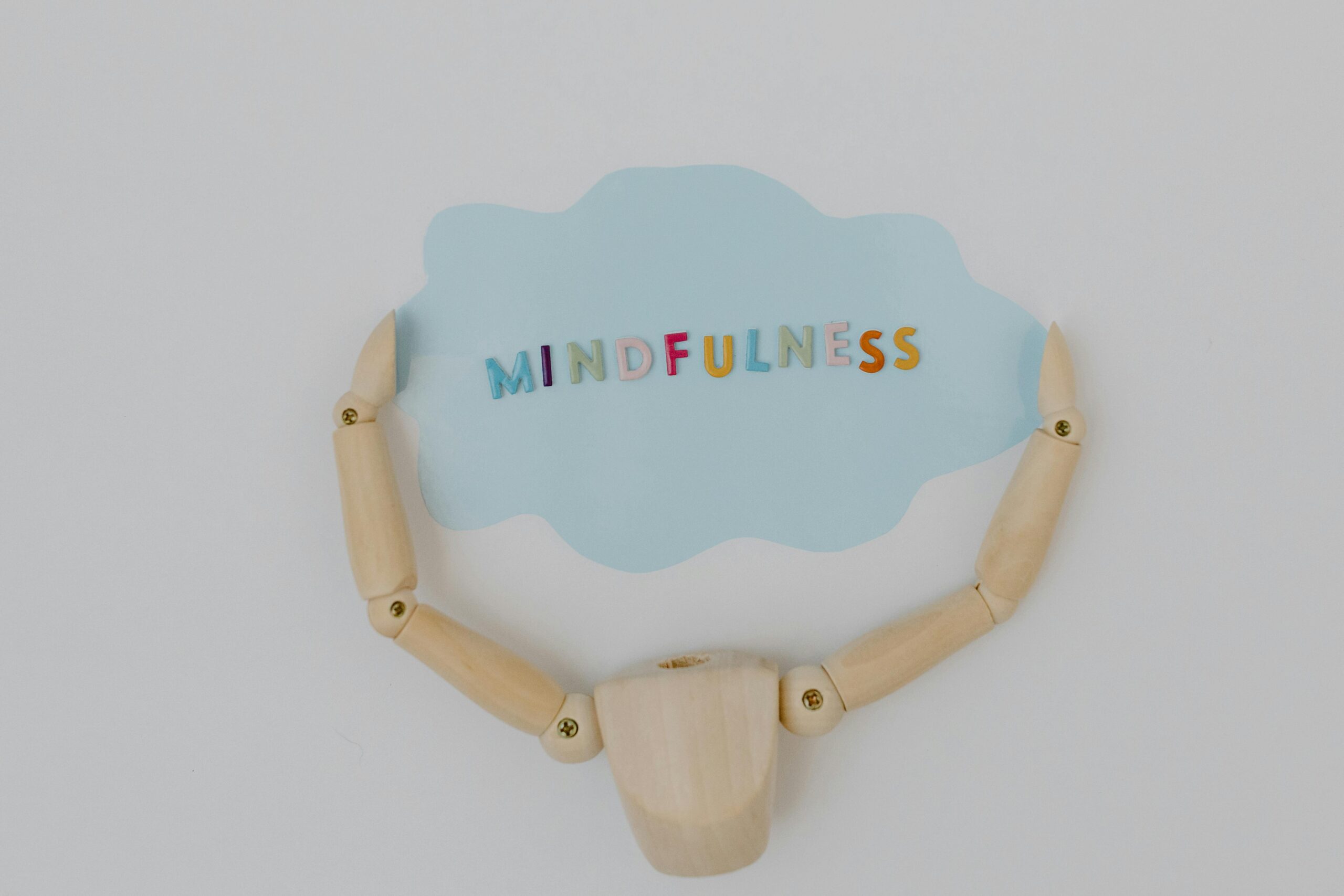
Mindfulness without endurance invites us to meet the present moment without the quiet pressure to push through it. Rather than gritting our teeth and “lasting” until discomfort passes, we soften our attention and allow experience to unfold as it is—messy, tender, incomplete. In this way, mindfulness becomes less about stamina and self-control, and more about honest presence: listening to the body’s signals, honoring limits, and discovering that care, not endurance, is what sustains us.