
5 Things You Can See for Anxiety

When anxiety starts to spiral, grounding yourself in the present moment can help calm your nervous system. One simple technique is to pause and name 5 things you can see around you. Look for small details — the texture of the wall, the way light hits the floor, a plant in the corner, the color of someone’s shirt, or the shape of a window. This gentle exercise shifts your focus away from racing thoughts and back to what is real and steady in front of you, helping your body feel safer and more regulated.
Repair After Conflict

Repair after conflict is possible. Learn practical tools to rebuild trust, improve communication, and strengthen your relationship through healthy conflict resolution and emotional reconnection.
Feelings Aren’t You

Feelings Aren’t You is a grounding reminder that emotions are real signals—but they don’t define your identity or dictate your next move. Learn how to notice what you feel without getting swept away, separate emotions from self-worth, and respond with clarity, compassion, and choice—so you can move through hard moments with steadier confidence and more emotional freedom.
When You Stop Trusting You

When you stop trusting you, the world doesn’t suddenly become safer—it just gets louder. Every choice turns into a negotiation, every feeling into evidence you have to cross-examine, every moment into a test you’re sure you’ll fail if you answer too quickly. You start outsourcing your instincts to other people’s reactions, checking for permission in their tone, their timing, their silence. And even when you do what everyone says is “right,” it never feels like relief—just temporary immunity. Because the ache isn’t that you don’t know what to do; it’s that you’ve begun to treat your own inner voice like a stranger who can’t be trusted with the truth.
Anxiety: Threat-Detection Mode

Anxiety can feel like your brain has flipped into threat-detection mode—a setting designed to keep you safe, but one that sometimes stays on even when you’re not in danger. In this mode, your body scans for problems, your thoughts jump to “what if,” and ordinary sensations (a tight chest, a racing heart, a restless stomach) get interpreted as warnings. It’s not weakness or “overreacting”; it’s a protective system working overtime. The goal isn’t to force it off, but to gently signal safety—through slow breathing, grounding in the present, and reminding yourself: this is anxiety, not an emergency.
You’re Not Doing Mindfulness Wrong

Mindfulness isn’t a performance, and it isn’t a test you can fail. If your mind wanders, if you feel restless, if you can’t “clear your thoughts,” you’re not doing it wrong—you’re doing the most human part of it: noticing what’s already happening. The goal isn’t to force calm or manufacture peace; it’s to practice meeting your experience as it is, even when it’s messy, loud, or uncomfortable. Every time you realize you’ve drifted and gently return—back to the breath, the body, the sounds around you—you’ve just completed the rep that matters. That return is mindfulness.
Screen-Tired and Soul-Weary

Screen-tired and soul-weary, we move through our days buffered by blue light and notifications, endlessly connected yet quietly disconnected from ourselves. Our eyes ache, our shoulders hunch, and our thoughts fragment into tabs we never fully close. Beneath the productivity and scrolling lives a softer truth: a longing to pause, to breathe without an agenda, to feel present in our own lives again. Somewhere beyond the glow of the screen, the soul waits patiently, asking not for more information, but for rest, meaning, and a moment of genuine human presence.
New Year, No Reinvention Required

New year, new pressure to become someone else—but what if nothing is broken? Growth doesn’t always mean reinvention; sometimes it’s about honoring what already works and making room for steadier, kinder progress. This year can be less about fixing yourself and more about continuing forward with intention, curiosity, and compassion—exactly as you are.
The Heart Heals in Quiet Moments
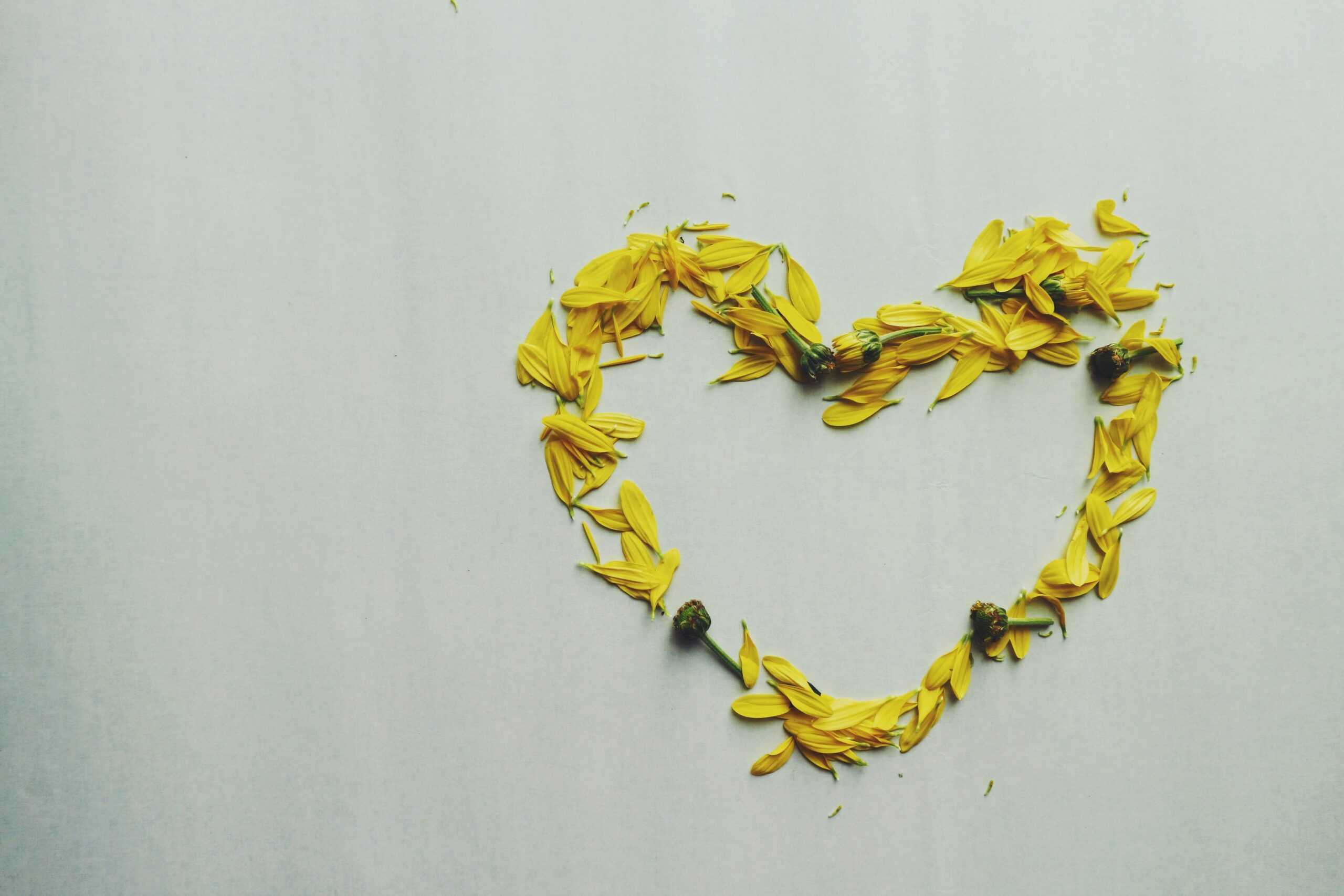
In the stillness, the heart finds room to breathe again. It’s often in the soft, unhurried spaces—between one deep breath and the next—where healing begins to unfold. In those quiet moments, when the world loosens its grip and we finally pause long enough to feel, the heart gathers its scattered pieces and begins to stitch itself back together. Here, in the calm, we remember that we are allowed to mend, slowly and tenderly, one quiet moment at a time.
The Silent Thief of Healing: Comparison

Comparison is a silent thief that slips into the healing process unnoticed, quietly convincing us that our progress is too slow, too small, or somehow not enough. It distracts us from our own journey by pulling our gaze toward someone else’s, leaving us feeling inadequate rather than empowered. When we measure our healing against another person’s timeline, we overlook the courage it takes to simply keep going. True growth begins when we reclaim our attention, honor our unique path, and recognize that healing isn’t a race—it’s a deeply personal unfolding.