
Beat Energy Dips with Hydration

Beat mid-day energy slumps by simply staying hydrated. Even mild dehydration can lead to fatigue, brain fog, and reduced concentration, making everyday tasks feel harder than they should. Drinking enough water throughout the day helps your body regulate temperature, maintain blood flow, and deliver oxygen and nutrients to your cells—key factors for sustained energy. Keep a water bottle nearby and sip regularly to stay refreshed, focused, and energized.
Warm Weather, Better Movement

Warm weather invites us to move a little more freely, whether that means stretching in the morning sun, taking a walk after lunch, or simply enjoying time outdoors with less stiffness and more ease. As the days grow brighter, it becomes easier to reconnect with our bodies through gentle, natural movement that supports energy, balance, and overall well-being.
Seasonal Mood Shifts Explained

Seasonal mood shifts are natural changes in how we feel as the seasons change, often influenced by differences in sunlight, temperature, and daily routines. As daylight hours become shorter or weather patterns shift, some people may notice changes in their energy, sleep, motivation, or overall mood. For many, these shifts are mild and temporary, but for others they can feel more noticeable and affect daily life. Understanding how seasonal changes influence our emotional well-being can help us recognize these patterns and take small steps to support our mental health throughout the year.
More Than Your Past

Your past may hold painful memories, mistakes, or chapters you wish had been different—but it does not define who you are today. Growth, healing, and self-compassion allow you to move forward and rewrite your story. No matter where you’ve been, you are always capable of change, renewal, and becoming more than your past.
Ready to Outgrow This Pattern?

Ready to outgrow this pattern? The cycles you keep repeating aren’t a sign that you’re broken—they’re signals that something deeper is asking for your attention. When you pause long enough to notice what triggers you, what you tolerate, and what you avoid, you begin to reclaim choice. Growth starts the moment you decide that familiar isn’t the same as healthy—and that you’re ready for something better.
Underneath the Symptoms

Underneath the Symptoms explores what’s really driving your anxiety, burnout, mood changes, or stress—so we’re not just managing surface-level struggles, but gently uncovering and healing the root causes beneath them. Through compassionate, evidence-based care, we help you make sense of your patterns, reconnect with yourself, and create lasting change from the inside out.
The “Delete 3” Rule to Beat Overwhelm

When overwhelm hits, use the “Delete 3” rule: pick three things you can remove from today—an unnecessary task, a non-urgent commitment, and one “nice-to-have” perfection upgrade. Delete them completely (not “later”), then take the next smallest action on what remains. This isn’t quitting—it’s clearing space so your energy goes to the few things that actually move the day forward, and you finish with relief instead of regret.
Make Joy Non-Negotiable
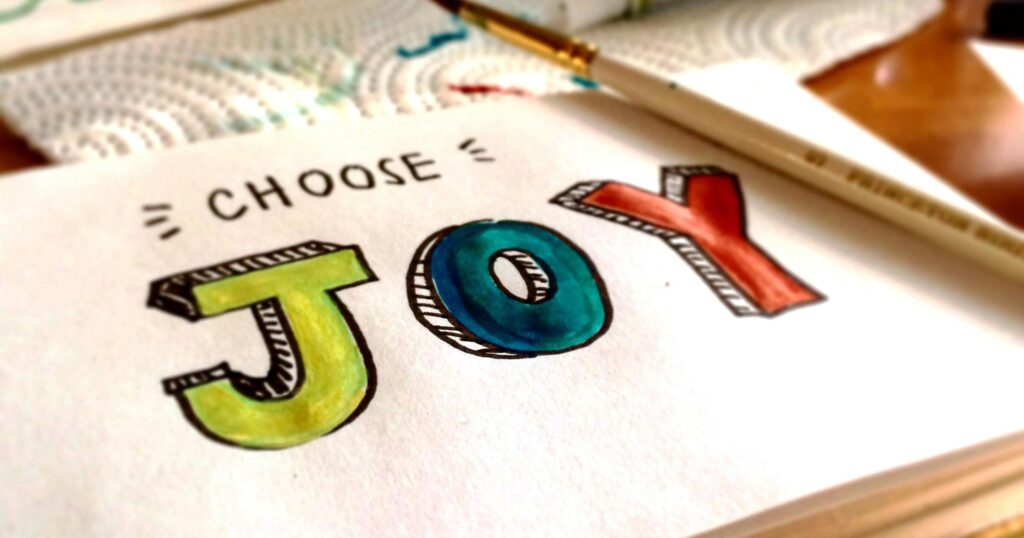
Make joy non-negotiable—not as a reward for when everything is finished, perfect, or approved, but as a daily standard for how you live and lead. Joy is not frivolous; it is fuel. When you treat your well-being, boundaries, rest, and meaningful connections as essential rather than optional, you build a life that sustains you instead of depletes you. Choosing joy on purpose—especially in small, ordinary moments—creates resilience, clarity, and the capacity to show up fully for the people and work that matter most.
The Silent Signals of Stress
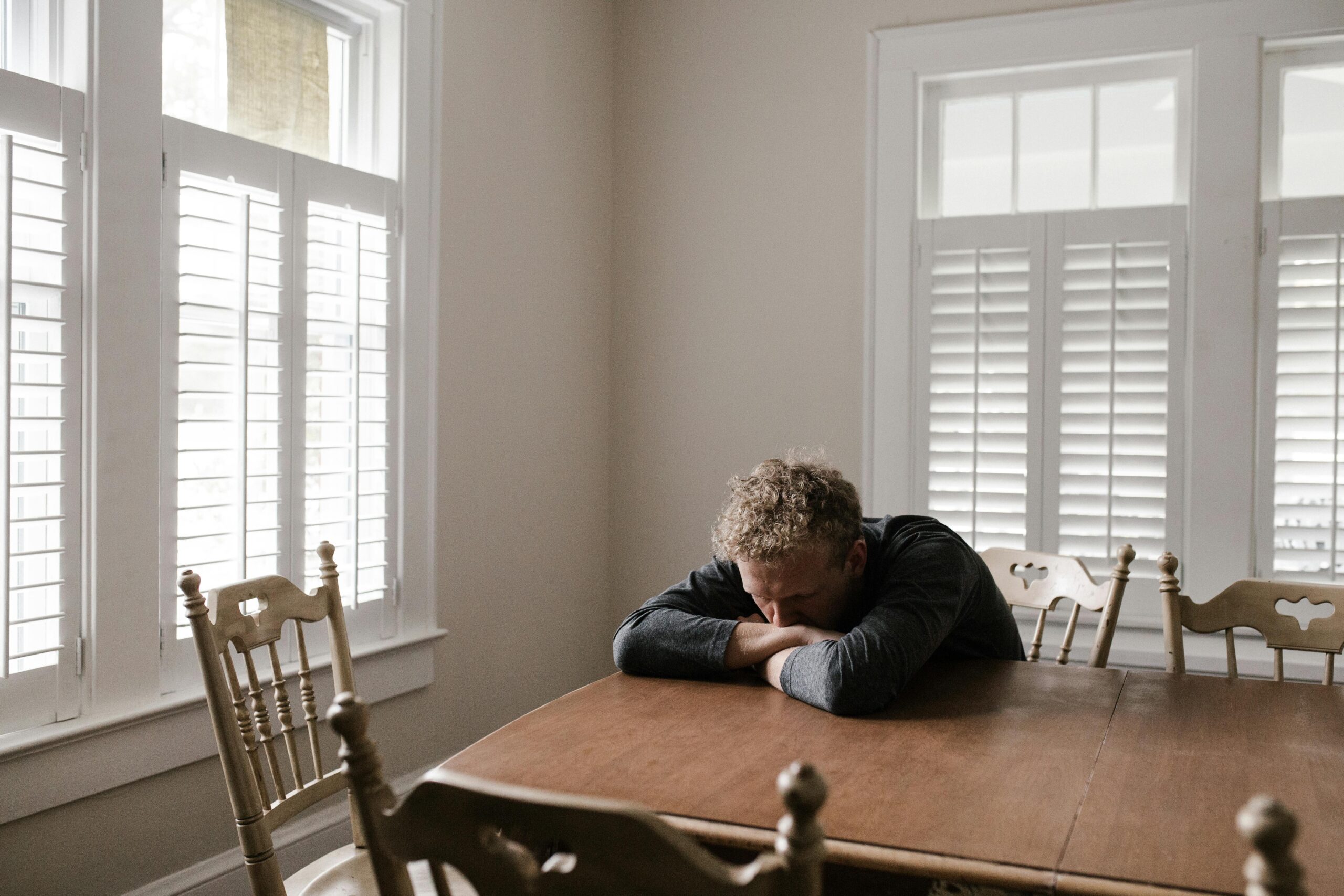
Stress doesn’t always show up as tears or tantrums—it often whispers before it shouts. It can look like irritability, trouble sleeping, headaches, forgetfulness, or even a sudden loss of motivation. Sometimes it hides behind productivity, perfectionism, or a constant need to stay busy. These silent signals are the body and mind’s way of asking for care and attention. When we learn to notice the subtle shifts—tight shoulders, shallow breathing, snapping at loved ones—we create an opportunity to pause, reset, and respond with compassion instead of pushing through.
Make Self-Care Last

Self-care isn’t a luxury you earn after everything else is done—it’s the foundation that helps everything else get done. When you constantly put your needs last, burnout, resentment, and exhaustion quietly build up. Making self-care last means making it sustainable: small, consistent practices that fit into your real life, not occasional grand gestures that feel impossible to maintain. A five-minute pause, a short walk, a boundary you honor, or a moment of deep breathing can shift your entire day. When you treat your well-being as essential rather than optional, you show up more present, patient, and resilient—for yourself and for everyone who depends on you.