
The Myth of Pain-Free Living

We often grow up believing that happiness means a life without pain — no heartbreak, no worry, no self-doubt. But real life tells a different story. Even in our most joyful seasons, struggle lingers, and even the strongest among us feel loss. At Joy Spring Mental Health, we believe healing isn’t about escaping pain but learning to move with it — finding strength, perspective, and resilience in the midst of life’s hardest moments.
Emotions in Motion

Emotions in Motion is a safe, supportive space to understand your feelings and strengthen your mental well-being.
Avoidance: Strength in Stepping Away

We often think of pulling back as weakness—a way of running from problems or shirking responsibility. Yet stepping away doesn’t always mean giving up. Sometimes, choosing not to engage is an act of wisdom, a way of protecting our energy and prioritizing mental health. True resilience isn’t about forcing ourselves through every challenge head-on, but about discerning when to lean in and when to create space. Reframing this perspective allows us to see stepping back not as failure, but as a powerful form of self-care.
Integration: The Art of Weaving the Broken Pieces Back Together
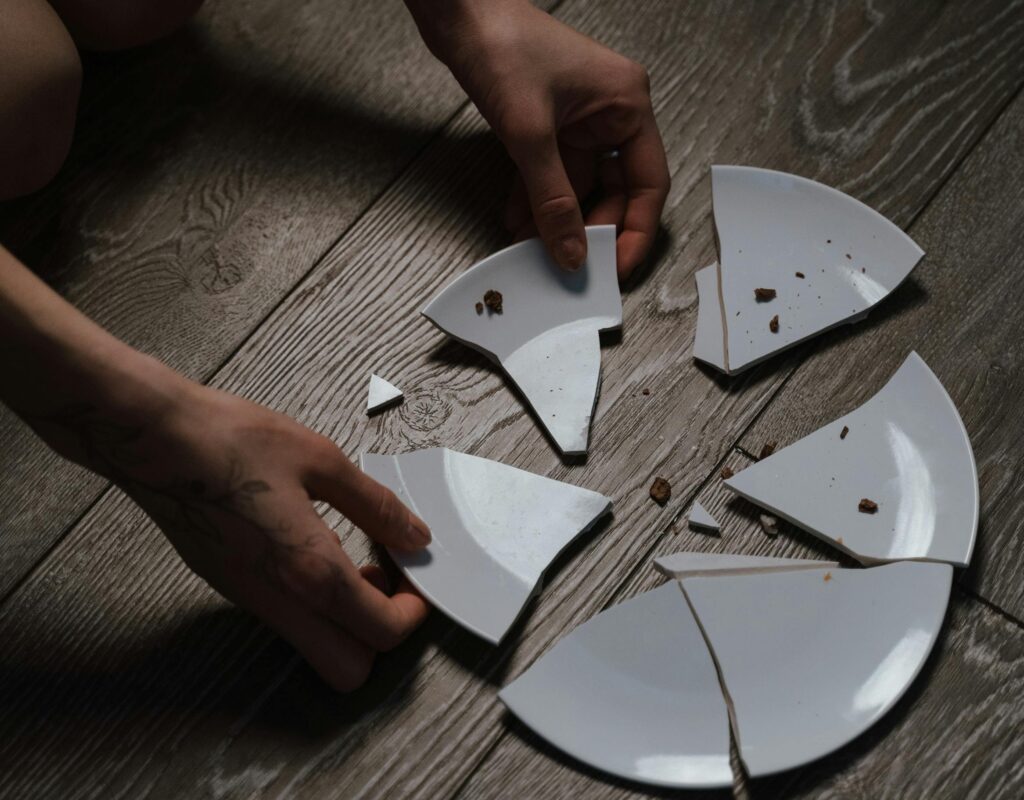
Integration is not about erasing what has been broken but about gathering the scattered fragments of our story—the pain, the scars, the hidden parts—and weaving them into a new whole. Each piece, once honored, becomes a thread of resilience and wisdom, reminding us that healing is not linear but a spiral that draws us back with deeper compassion. In this weaving, nothing is wasted; every fracture becomes part of a tapestry that is stronger, softer, and more whole than before.
The Mind-Body Connection in Psychiatry

Psychiatry increasingly recognizes the profound link between mental and physical health. Stress, anxiety, and depression can trigger physiological responses, while physical conditions like chronic pain or hormonal imbalances can impact mood and cognition. This interconnectedness highlights the importance of a holistic treatment approach that considers lifestyle, nutrition, and mindfulness alongside traditional psychiatric care. By addressing both mind and body, individuals can achieve deeper healing and long-term well-being.
Vulnerability Builds Bridges, Not Walls

Vulnerability isn’t weakness—it’s authenticity. By sharing openly instead of hiding behind walls, we create trust, invite empathy, and strengthen genuine connections.
Learning to Speak the Gentle Language of Healing

Healing begins when we learn to speak with gentleness—choosing words and silences that soothe rather than wound, creating space where pain feels safe to soften. This language is not rushed or forceful; it listens, honors, and holds, reminding us that compassion is stronger than urgency. In speaking this way, we offer more than comfort—we offer the possibility of renewal.
The Mind and Body Speak the Same Language: Balance

Discover how the mind and body are deeply connected, constantly communicating through stress, emotions, and physical health. Finding balance means listening to both—nurturing your mental wellness while supporting physical vitality. Explore how practices like mindfulness, movement, and intentional rest can restore harmony, reduce anxiety, and improve overall well-being.
Your Scars Are Proof of Survival, Not Weakness

Every scar tells a story—not of weakness, but of survival. Your scars are reminders of the battles you’ve faced and the strength it took to keep going. They are proof that healing is possible, and that resilience lives within you.
Resilience: Bend Without Breaking

Resilience is not about never facing hardship—it is about learning to adapt, to bend without breaking. Like a tree in the storm, true strength lies not in rigidity, but in flexibility. Life will test us with setbacks, disappointments, and uncertainty, but resilience gives us the ability to absorb the shock and still grow. Each challenge becomes not an ending, but an invitation to rise again—wiser, stronger, and more rooted in who we are.