
Seasonal Change Stress

Seasonal changes can affect our mood, energy levels, and daily routines. As daylight, weather, and activities shift, it’s normal to experience stress or emotional changes. Understanding seasonal change stress can help you recognize these feelings and take small steps to support your mental wellbeing during transitions.
Seasonal Energy Slumps

Seasonal energy slumps are common during certain times of the year when changes in weather, daylight, and daily routines affect our mood and motivation. Many people notice feeling more tired, less productive, or emotionally drained as seasons shift, especially during periods with shorter daylight hours. These fluctuations are a natural response to environmental changes, but being aware of them can help individuals take proactive steps—such as adjusting sleep habits, staying active, and spending time outdoors—to support their energy and overall well-being.
Warm Weather, Better Movement

Warm weather invites us to move a little more freely, whether that means stretching in the morning sun, taking a walk after lunch, or simply enjoying time outdoors with less stiffness and more ease. As the days grow brighter, it becomes easier to reconnect with our bodies through gentle, natural movement that supports energy, balance, and overall well-being.
More Than Your Past

Your past may hold painful memories, mistakes, or chapters you wish had been different—but it does not define who you are today. Growth, healing, and self-compassion allow you to move forward and rewrite your story. No matter where you’ve been, you are always capable of change, renewal, and becoming more than your past.
Therapy Is Not a Performance

Therapy is not a performance. There is no script to follow, no gold star for saying the “right” thing, no award for being the most self-aware person in the room. It’s a space where you get to be unfinished, uncertain, and completely human. You don’t have to impress your therapist or package your pain into something polished and palatable. The work happens in the pauses, the contradictions, the messy honesty — not in perfection.
Mood Tracking: Make Sense of Mood Shifts

Mood tracking is a simple way to spot patterns behind your emotional ups and downs—so mood shifts feel less random and more understandable. By taking 30 seconds once or twice a day to rate your mood (and jot down what you were doing, who you were with, how you slept, what you ate, and any stressors), you start to see what reliably lifts you up or pulls you down. Over time, you may notice clues like “my mood dips after skipping lunch,” “I feel lighter after a short walk,” or “certain conversations leave me tense for hours.” The goal isn’t to judge your feelings—it’s to gather gentle, useful data so you can respond earlier, choose supportive habits, and talk about what’s happening with more clarity and confidence.
Ready to Outgrow This Pattern?

Ready to outgrow this pattern? The cycles you keep repeating aren’t a sign that you’re broken—they’re signals that something deeper is asking for your attention. When you pause long enough to notice what triggers you, what you tolerate, and what you avoid, you begin to reclaim choice. Growth starts the moment you decide that familiar isn’t the same as healthy—and that you’re ready for something better.
Breaking the Cycle of Pressure

Breaking the Cycle of Pressure begins with noticing the silent expectations you carry every day — the ones that say you must achieve more, fix everything, or hold it all together without pause. Over time, this constant self-pressure can create exhaustion, self-doubt, and disconnection from what truly matters. When we slow down and question these internal demands, we create space for self-compassion, clearer boundaries, and healthier ways of responding to stress. The cycle shifts not through force, but through awareness, gentleness, and small, intentional changes.
The Silent Signals of Stress
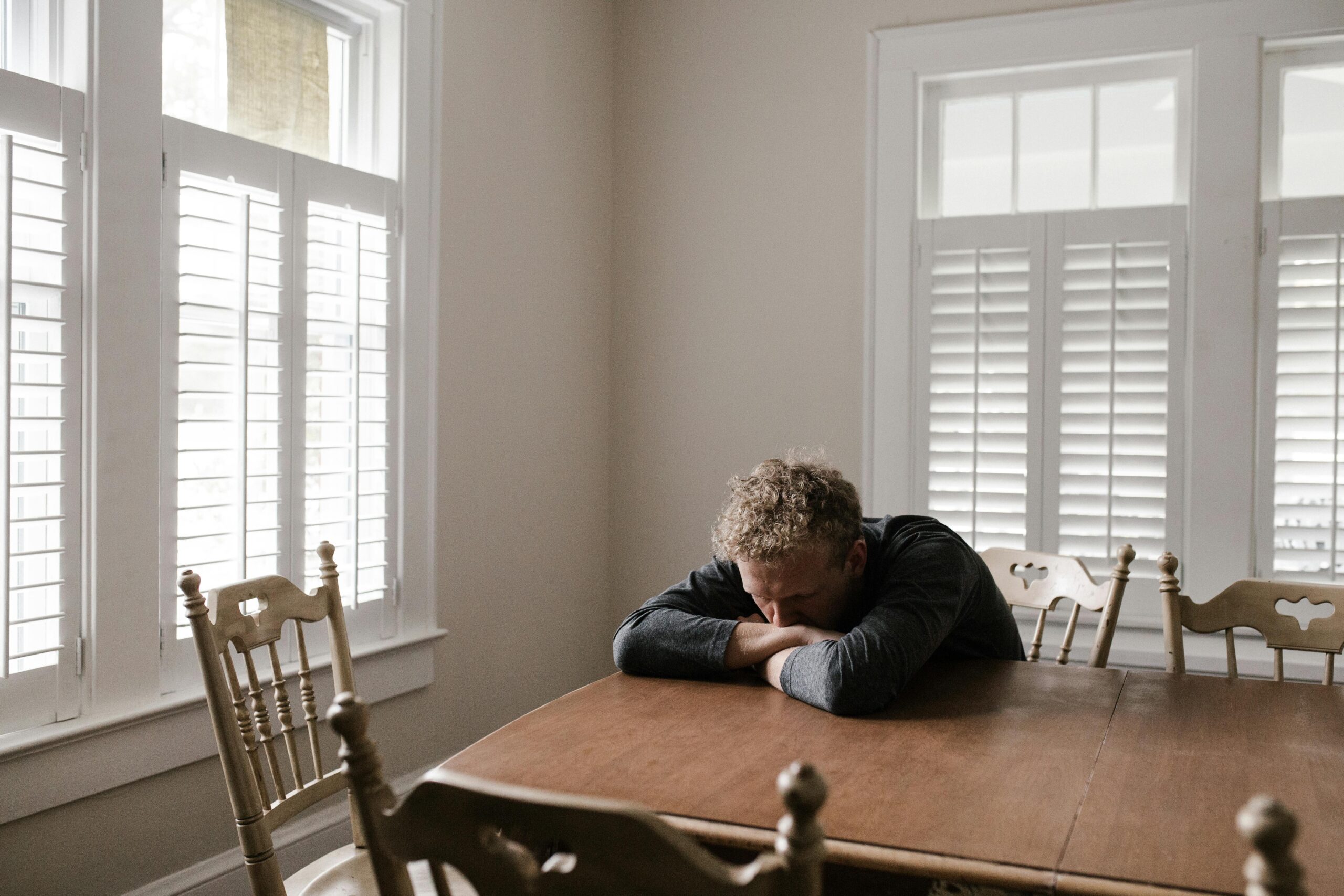
Stress doesn’t always show up as tears or tantrums—it often whispers before it shouts. It can look like irritability, trouble sleeping, headaches, forgetfulness, or even a sudden loss of motivation. Sometimes it hides behind productivity, perfectionism, or a constant need to stay busy. These silent signals are the body and mind’s way of asking for care and attention. When we learn to notice the subtle shifts—tight shoulders, shallow breathing, snapping at loved ones—we create an opportunity to pause, reset, and respond with compassion instead of pushing through.
5 Things You Can See for Anxiety

When anxiety starts to spiral, grounding yourself in the present moment can help calm your nervous system. One simple technique is to pause and name 5 things you can see around you. Look for small details — the texture of the wall, the way light hits the floor, a plant in the corner, the color of someone’s shirt, or the shape of a window. This gentle exercise shifts your focus away from racing thoughts and back to what is real and steady in front of you, helping your body feel safer and more regulated.