
The Silent Signals of Stress
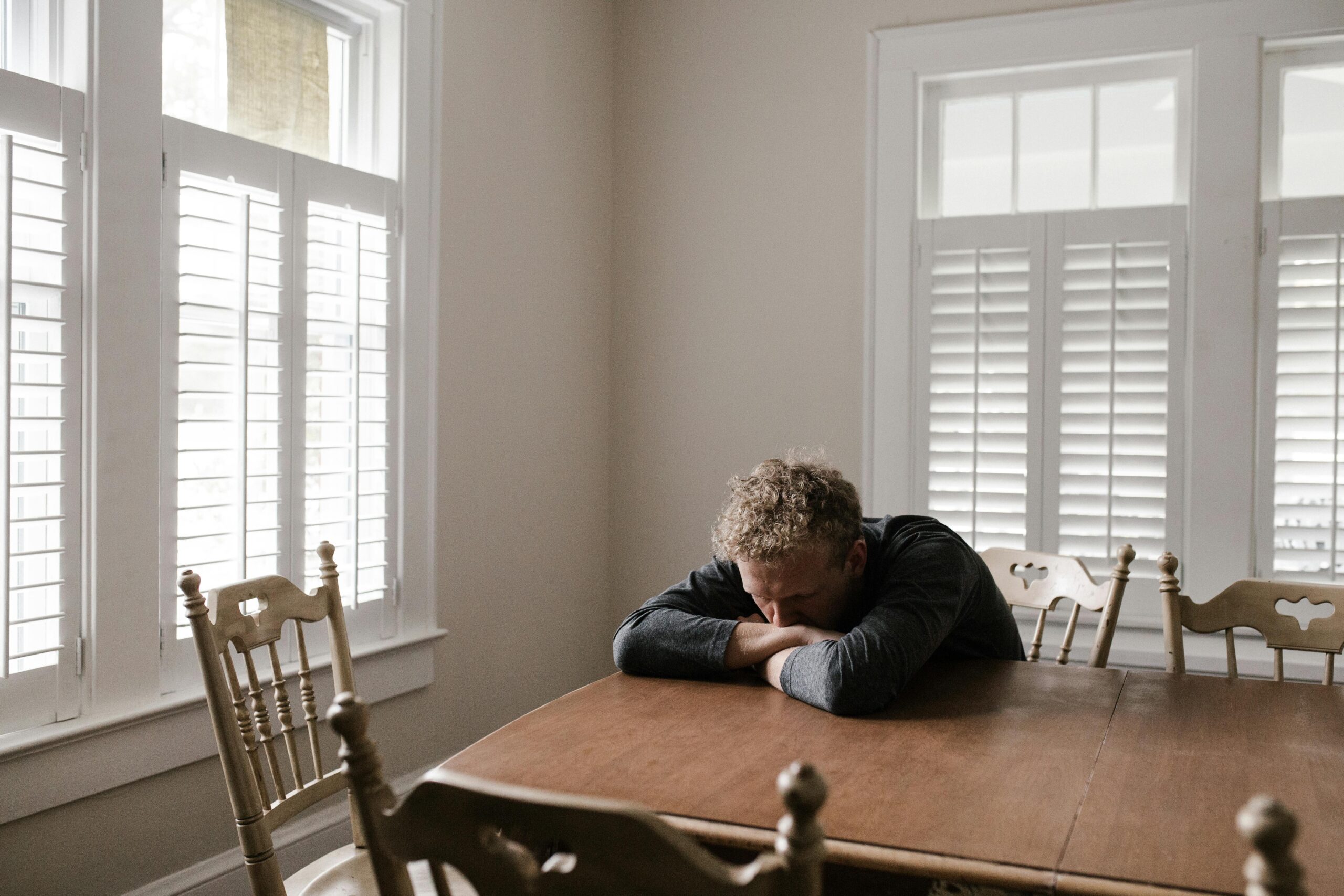
Stress doesn’t always show up as tears or tantrums—it often whispers before it shouts. It can look like irritability, trouble sleeping, headaches, forgetfulness, or even a sudden loss of motivation. Sometimes it hides behind productivity, perfectionism, or a constant need to stay busy. These silent signals are the body and mind’s way of asking for care and attention. When we learn to notice the subtle shifts—tight shoulders, shallow breathing, snapping at loved ones—we create an opportunity to pause, reset, and respond with compassion instead of pushing through.
5 Things You Can See for Anxiety

When anxiety starts to spiral, grounding yourself in the present moment can help calm your nervous system. One simple technique is to pause and name 5 things you can see around you. Look for small details — the texture of the wall, the way light hits the floor, a plant in the corner, the color of someone’s shirt, or the shape of a window. This gentle exercise shifts your focus away from racing thoughts and back to what is real and steady in front of you, helping your body feel safer and more regulated.
Feelings Aren’t You

Feelings Aren’t You is a grounding reminder that emotions are real signals—but they don’t define your identity or dictate your next move. Learn how to notice what you feel without getting swept away, separate emotions from self-worth, and respond with clarity, compassion, and choice—so you can move through hard moments with steadier confidence and more emotional freedom.
When You Stop Trusting You

When you stop trusting you, the world doesn’t suddenly become safer—it just gets louder. Every choice turns into a negotiation, every feeling into evidence you have to cross-examine, every moment into a test you’re sure you’ll fail if you answer too quickly. You start outsourcing your instincts to other people’s reactions, checking for permission in their tone, their timing, their silence. And even when you do what everyone says is “right,” it never feels like relief—just temporary immunity. Because the ache isn’t that you don’t know what to do; it’s that you’ve begun to treat your own inner voice like a stranger who can’t be trusted with the truth.
Anxiety: Threat-Detection Mode

Anxiety can feel like your brain has flipped into threat-detection mode—a setting designed to keep you safe, but one that sometimes stays on even when you’re not in danger. In this mode, your body scans for problems, your thoughts jump to “what if,” and ordinary sensations (a tight chest, a racing heart, a restless stomach) get interpreted as warnings. It’s not weakness or “overreacting”; it’s a protective system working overtime. The goal isn’t to force it off, but to gently signal safety—through slow breathing, grounding in the present, and reminding yourself: this is anxiety, not an emergency.
Repeat Safety, Not Stress

Safety isn’t something you push through—it’s something you repeat until it becomes automatic. When stress rises, our brains look for the familiar, so we return to simple routines: check in, slow down, scan the space, communicate clearly, and take the next right step. That’s why we don’t rely on “being calm” or “being careful” as a plan—we rely on practiced habits that hold up on hard days. Repeat safety, not stress: one steady breath, one clear action, one consistent routine at a time.
You’re Not Doing Mindfulness Wrong

Mindfulness isn’t a performance, and it isn’t a test you can fail. If your mind wanders, if you feel restless, if you can’t “clear your thoughts,” you’re not doing it wrong—you’re doing the most human part of it: noticing what’s already happening. The goal isn’t to force calm or manufacture peace; it’s to practice meeting your experience as it is, even when it’s messy, loud, or uncomfortable. Every time you realize you’ve drifted and gently return—back to the breath, the body, the sounds around you—you’ve just completed the rep that matters. That return is mindfulness.
Healing at the Pace of Safety

Healing at the pace of safety means you don’t have to push past what your body and mind can hold today. Instead of forcing change, we build steadiness—one small, supported step at a time—so your nervous system can learn that you’re safe enough to feel, to remember, to set boundaries, and to try again. This is healing that respects your limits and honors your courage: gentle, grounded, and led by your own timing, where progress looks like more breath, more choice, and more moments of ease.
Care: A Cornerstone of Healing

Care is the quiet foundation of healing—the steady presence that makes growth feel possible. It shows up in small, intentional moments: being heard without judgment, feeling safe enough to rest, and knowing support is available even when words fall short. When care is consistent and compassionate, it creates the conditions for healing to take root, allowing individuals to move forward with greater trust, resilience, and hope.
Screen-Tired and Soul-Weary

Screen-tired and soul-weary, we move through our days buffered by blue light and notifications, endlessly connected yet quietly disconnected from ourselves. Our eyes ache, our shoulders hunch, and our thoughts fragment into tabs we never fully close. Beneath the productivity and scrolling lives a softer truth: a longing to pause, to breathe without an agenda, to feel present in our own lives again. Somewhere beyond the glow of the screen, the soul waits patiently, asking not for more information, but for rest, meaning, and a moment of genuine human presence.