
5 Things You Can See for Anxiety

When anxiety starts to spiral, grounding yourself in the present moment can help calm your nervous system. One simple technique is to pause and name 5 things you can see around you. Look for small details — the texture of the wall, the way light hits the floor, a plant in the corner, the color of someone’s shirt, or the shape of a window. This gentle exercise shifts your focus away from racing thoughts and back to what is real and steady in front of you, helping your body feel safer and more regulated.
Healing in Community

Healing in community means you don’t have to carry the hard parts alone. When we’re witnessed with kindness—by people who listen without fixing, judging, or rushing—we start to soften, breathe, and feel human again. Little by little, shared stories remind us we’re not “too much” or “behind,” and support becomes something we can actually receive. In safe spaces, we practice new ways of relating: setting boundaries, asking for help, and offering care in return. Community doesn’t erase pain, but it makes room for it—and in that room, healing becomes possible.
When You Stop Trusting You

When you stop trusting you, the world doesn’t suddenly become safer—it just gets louder. Every choice turns into a negotiation, every feeling into evidence you have to cross-examine, every moment into a test you’re sure you’ll fail if you answer too quickly. You start outsourcing your instincts to other people’s reactions, checking for permission in their tone, their timing, their silence. And even when you do what everyone says is “right,” it never feels like relief—just temporary immunity. Because the ache isn’t that you don’t know what to do; it’s that you’ve begun to treat your own inner voice like a stranger who can’t be trusted with the truth.
Stress Can Look Like ADHD
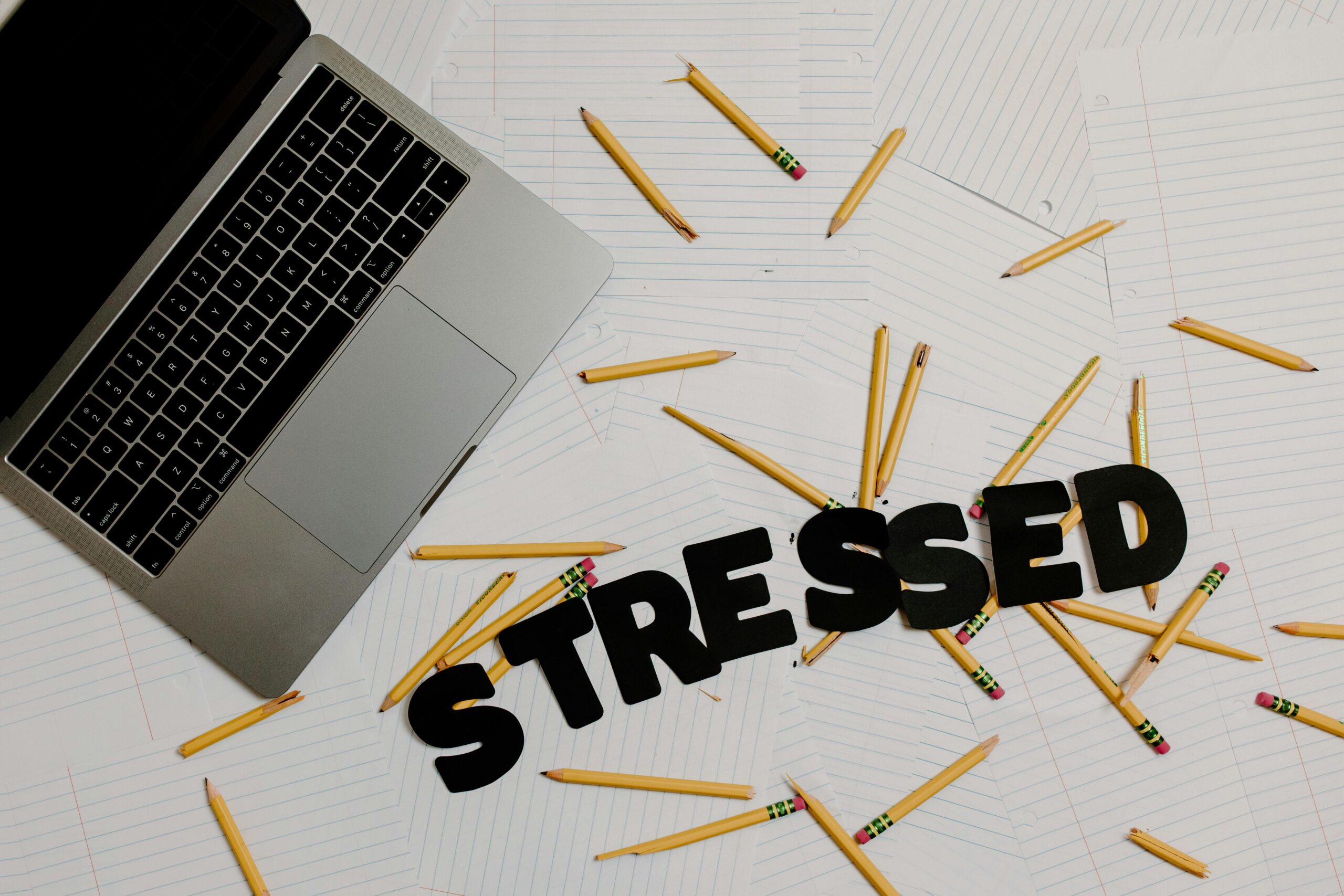
Stress can look a lot like ADHD—especially when your nervous system is overloaded. You might feel restless, scattered, and unable to focus, starting tasks but not finishing them, forgetting details, losing things, or jumping from one thought to the next. Under chronic stress, the brain prioritizes survival over organization, so planning, memory, impulse control, and emotional regulation can take a hit—making you seem “unmotivated” or “careless” when you’re actually overwhelmed. The key difference is that stress-driven symptoms often surge during demanding seasons and ease when you’re supported and rested, while ADHD patterns tend to be more consistent over time and across settings.
Anxiety: Threat-Detection Mode

Anxiety can feel like your brain has flipped into threat-detection mode—a setting designed to keep you safe, but one that sometimes stays on even when you’re not in danger. In this mode, your body scans for problems, your thoughts jump to “what if,” and ordinary sensations (a tight chest, a racing heart, a restless stomach) get interpreted as warnings. It’s not weakness or “overreacting”; it’s a protective system working overtime. The goal isn’t to force it off, but to gently signal safety—through slow breathing, grounding in the present, and reminding yourself: this is anxiety, not an emergency.
The In-Between Healing

In the in-between, healing doesn’t arrive like a grand reveal—it shows up quietly, in the ordinary moments you almost overlook. It’s the pause before you react, the breath you manage to take when your chest feels tight, the choice to soften your shoulders even when your mind keeps rehearsing old fears. The in-between can feel like nothing is happening, like you’re stuck between who you were and who you’re becoming, but this is often where the real work lives: messy, unglamorous, and deeply brave. Here, you learn to trust small shifts—the gentler self-talk, the boundaries you practice, the mornings that hurt a little less—and you begin to understand that progress isn’t always forward; sometimes it’s simply staying present long enough to let what’s tender become stronger.
Your Gut and Your Mind: The Hidden Link
Your gut and your mind are in constant conversation—far more than most people realize. Inside your digestive system lives a bustling ecosystem of bacteria and nerve cells that helps produce key brain chemicals, including ones involved in mood, stress response, and sleep. When your gut is irritated, inflamed, or out of balance, that “noise” can travel upward through the gut–brain axis, showing up as anxiety, foggy thinking, low motivation, or a sense of being emotionally on edge. The good news is the connection works both ways: chronic stress can disrupt digestion, but supportive habits—steady meals, fiber-rich foods, hydration, movement, and calming practices—can help your gut feel safer, and your mind often follows.
Burnout Brain Fog: Why Memory and Focus Fade

Burnout brain fog can feel like your mind is stuck in low battery mode—words slip away, focus fractures, and even simple tasks take extra effort. It’s not that you’re “getting worse” or suddenly unmotivated; it’s that chronic stress keeps your nervous system on high alert, draining the mental fuel your brain needs for attention, working memory, and clear thinking. When you’ve been running on pressure and too little recovery, your brain starts prioritizing survival and speed over nuance and recall—so you forget why you walked into a room, reread the same sentence, or struggle to start. The good news: brain fog is often a signal, not a sentence—one that improves when rest becomes non-negotiable and your workload, sleep, and stress cycles finally get room to reset.
Healing at the Pace of Safety

Healing at the pace of safety means you don’t have to push past what your body and mind can hold today. Instead of forcing change, we build steadiness—one small, supported step at a time—so your nervous system can learn that you’re safe enough to feel, to remember, to set boundaries, and to try again. This is healing that respects your limits and honors your courage: gentle, grounded, and led by your own timing, where progress looks like more breath, more choice, and more moments of ease.
Stuck in Survival Mode

Stuck in survival mode can feel like living with your shoulders permanently tense, your mind always scanning for the next problem to solve. Even when life looks “okay” on the outside, your nervous system may still be operating as if danger is just around the corner—making rest feel uncomfortable and joy feel out of reach. This state isn’t a personal failure; it’s a learned response to prolonged stress, overwhelm, or trauma. With awareness, support, and gentle regulation, it’s possible to move from merely surviving to feeling safe enough to truly live.