
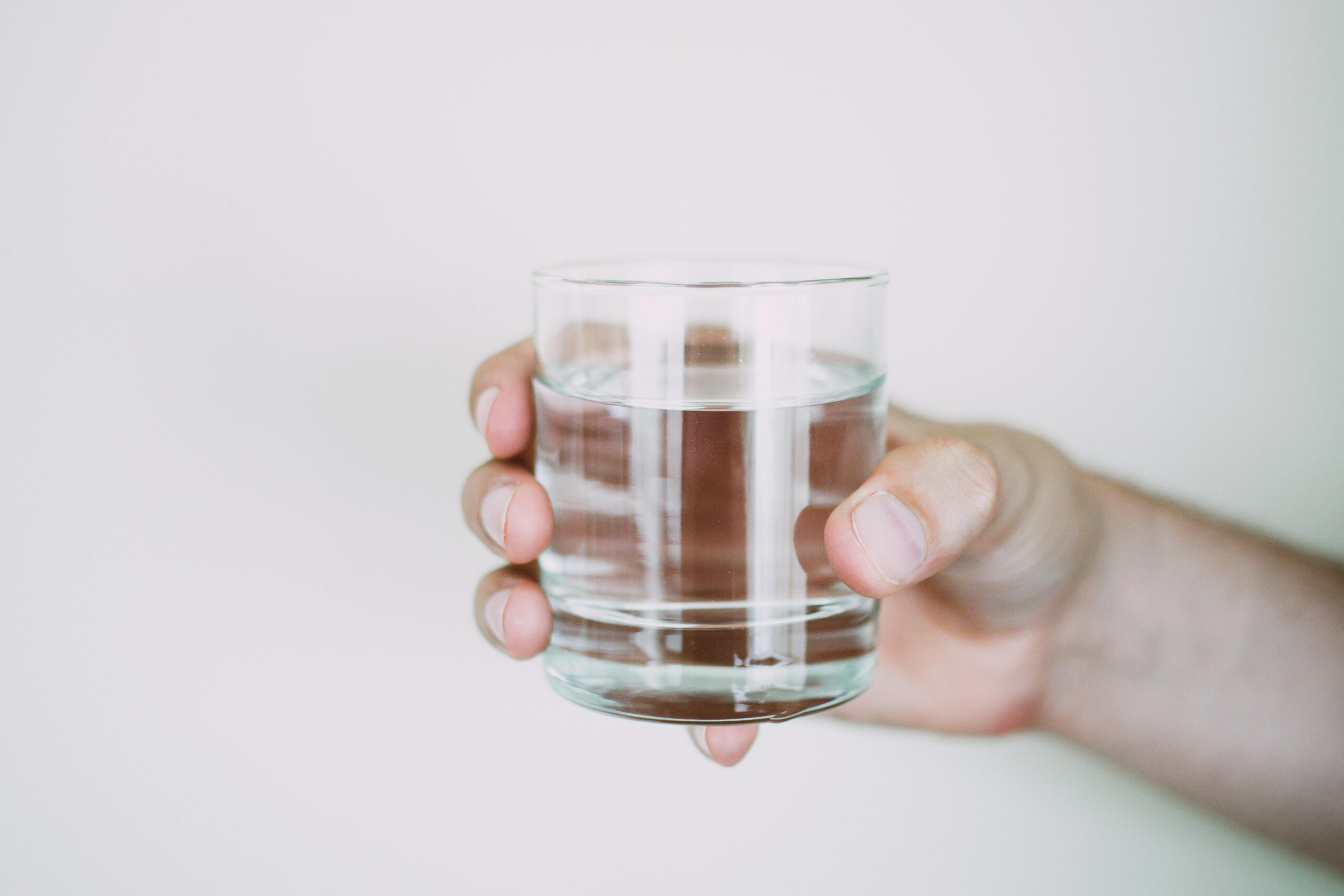
Increase Hydration
Energy dips have a way of feeling personal. One minute you’re moving through your day with decent momentum, and the next you’re sluggish, foggy, irritable, and wondering what happened. It’s easy to blame willpower, sleep, motivation, or even your mental health. Yet sometimes the most overlooked piece is also the simplest: hydration.
Dehydration doesn’t only show up as dramatic thirst. In fact, thirst can lag behind your body’s needs. Mild dehydration can quietly tug at your energy, concentration, and mood—especially if you’re busy, stressed, drinking caffeine, exercising, or spending time in air-conditioned rooms. When your body runs low on fluid, blood volume can drop slightly, making your heart work harder to deliver oxygen and nutrients. That extra strain can feel like fatigue. You might also notice headaches, dry mouth, dizziness, or a “dragging” kind of exhaustion that sneaks in mid-morning or mid-afternoon.
Here’s the part that’s both comforting and empowering: increasing hydration is one of the most gentle, low-stakes ways to support your body and brain. It doesn’t require perfection. It doesn’t demand a strict meal plan. It’s simply a practice of noticing your needs and responding kindly. That’s therapeutic in itself.
This guide will help you understand how hydration connects to energy dips, how to spot dehydration early, and how to build a hydration routine that fits your real life. Along the way, you’ll learn practical strategies that don’t rely on constant tracking or forcing yourself to chug water. Think of this as a supportive reset—one that helps your nervous system feel steadier and your day feel more doable.
Why Hydration Shapes Your Energy
When your body is well-hydrated, it runs its internal systems more smoothly—like a well-oiled engine. Water helps regulate temperature, supports digestion, keeps joints comfortable, and plays a key role in circulation. It also influences how efficiently your cells produce energy. That’s why even mild dehydration can make you feel “off” in ways that are easy to misread as stress, burnout, or a slump you should push through.
Hydration affects the brain too. Your brain tissue contains a high percentage of water, and changes in hydration can influence attention, memory, and alertness. When fluid levels dip, the brain may work harder to perform the same tasks. That effort can translate into mental fatigue, slower thinking, and lower motivation. If you’ve ever felt unreasonably tired after staring at a screen or doing routine tasks, dehydration might be one of the hidden contributors.
Another piece is the nervous system. Dehydration can increase physical stress signals in the body. When you’re even slightly dehydrated, your body may release more stress hormones to maintain balance. That doesn’t mean you’re doomed to feel anxious, but it can amplify feelings like restlessness, irritability, or tension—especially if you already have a full plate.
Energy dips are rarely caused by one factor alone. Sleep, nutrition, movement, stress, and hormones all matter. Still, hydration is an important foundation. When you increase hydration consistently, you give your body a better chance to stabilize energy rather than swinging from “fine” to “fried” within a few hours.
The Quiet Signs You Might Be Dehydrated
Most people wait until they feel thirsty, but thirst is often a late signal. Your body may already be behind by the time you notice it. Learning the early cues can help you respond sooner and avoid that heavy, foggy dip that can derail your day.
One of the most common signs is fatigue that feels out of proportion to what you’re doing. You may also notice headaches, especially in the afternoon, or a tight feeling in your temples. Dry lips and a dry mouth can show up even if you don’t feel intensely thirsty. Some people experience lightheadedness when standing up quickly, particularly if they’ve been sitting for a long time.
Urine color can offer clues. Pale yellow usually suggests you’re hydrated. Darker yellow can signal you need more fluids, although vitamins and certain foods can affect color. Another hint is how often you’re using the restroom. If you’re barely going all day, your body may be conserving water.
Pay attention to your mood and focus as well. Irritability, impatience, difficulty concentrating, and that “I can’t think straight” feeling can be related to hydration status. None of these signs prove dehydration on their own, but they provide gentle data points. In a therapeutic sense, noticing these cues is a form of self-attunement—learning your body’s language instead of overriding it.
Rather than using these signs to judge yourself, treat them like helpful nudges. Your body isn’t failing. It’s communicating. Responding with water can be an act of care, not a chore.
How Dehydration Can Intensify Midday Slumps
That familiar mid-afternoon crash can feel inevitable. However, dehydration often plays a bigger role than people expect. Many adults start the day slightly dehydrated because the body loses water overnight through breathing and sweat. If the morning rush kicks in—coffee, commute, meetings—you may not replenish what you lost. By noon, you’re running on a deficit.
Caffeine can add to the problem, especially if it replaces water rather than complementing it. Although moderate caffeine doesn’t automatically dehydrate everyone, it can increase urination for some people and mask tiredness, leading you to miss your body’s cues. Then the stimulant wears off and the energy dip hits harder.
Dehydration can also affect blood sugar regulation indirectly. When you’re low on fluids, your body may feel more strained, and you might crave quick energy foods. You may reach for sugary snacks or another caffeinated drink. That pattern can lead to spikes and crashes, which makes your day feel like a roller coaster.
Stress adds another layer. When you’re under pressure, you may forget to drink water altogether. Some people also experience a reduced sense of thirst when anxious or hyperfocused. As a result, the slump becomes a blend of nervous system fatigue and physical dehydration. It’s not a character flaw—it’s a predictable response to a demanding environment.
Increasing hydration earlier in the day can soften this pattern. Think of it as preventative care for your energy. Instead of trying to “fix” the slump once it arrives, hydration helps reduce the likelihood that the slump becomes intense in the first place.
How Much Water Do You Actually Need?
Hydration advice can get confusing quickly, especially when you hear rigid rules like “eight glasses a day” or “drink a gallon.” Your needs depend on body size, activity level, climate, medications, and overall health. That’s why a compassionate approach works best: aim for consistency and responsiveness rather than a perfect number.
A useful starting point is to notice how you feel when you drink water regularly. Energy steadier? Fewer headaches? Better focus? Those lived experiences can guide your intake as much as any guideline. Many health resources suggest daily fluids in the range of several cups to a few liters, but the “right” amount is the one that supports your body without making hydration feel like punishment.
Food also contributes to hydration. Fruits, vegetables, soups, and yogurt contain water. If you eat water-rich foods, you may need less from beverages. On the other hand, if you mostly eat dry, processed foods, you might need more fluids.
Some people need to be extra mindful, especially those who exercise, sweat a lot, or work in hot environments. Others may need guidance from a clinician if they have kidney issues, heart conditions, or take medications that affect fluid balance. If you’re unsure and the question feels medical, it’s worth asking your healthcare provider for personalized advice.
For most people, the goal isn’t extreme water intake. It’s staying gently hydrated throughout the day so your energy doesn’t drop simply because your body is low on fluids.
Hydration That Fits Real Life
Hydration routines often fail because they’re too rigid. If your plan requires constant tracking, special bottles, or perfect discipline, it may not survive a busy week. A more sustainable approach builds hydration into what you already do.
Start by linking water to existing habits. Drink a glass when you wake up, after brushing your teeth, or while you wait for your coffee to brew. Add a few sips before each meal. Keep water visible—on your desk, in your bag, next to your bed. Visibility reduces decision fatigue. When water is easy to access, you’ll drink it without needing to “remember.”
Temperature matters too. Some people drink more when water is cold and crisp. Others prefer warm water, herbal tea, or room temperature. Let preference guide you. Hydration isn’t a morality test. It’s a support tool.
Flavor can help if plain water feels boring. Add lemon, cucumber, berries, or mint. Sparkling water works for many people, especially if it replaces soda. If you enjoy electrolytes, use them strategically—particularly after heavy sweating—but you don’t need them for every sip unless a professional recommends it.
The most important part is the mindset. Instead of “I have to drink water,” try “I’m giving my body what it needs to function.” That subtle shift makes hydration feel like care rather than compliance.
Subheading: A Gentle Morning Hydration Reset
Morning hydration can be a game-changer because it addresses that overnight deficit. If you wake up groggy and head straight for caffeine, you’re not alone. Still, adding water first can make the rest of your morning feel smoother.
Try drinking water before your first cup of coffee or tea. You don’t have to give up caffeine—just pair it. If plain water feels harsh in the morning, start smaller. Even a few sips create momentum. Warm water can feel soothing, especially if your stomach is sensitive.
You can also make hydration part of a calming morning ritual. Pour water into a favorite glass. Take a slow sip and let it be a cue to arrive in your body. That small pause can feel grounding. From a therapeutic perspective, it’s a micro-moment of regulation before the day speeds up.
If you consistently forget, keep water by your bed or in the kitchen where you can’t miss it. Small environmental changes often work better than relying on motivation. Over time, morning hydration becomes automatic, and your energy may feel more stable earlier in the day.
Subheading: Hydration for Busy Workdays
Workdays can be dehydration traps. Meetings stack up. You focus intensely. Hours pass without a break. Then fatigue shows up and you wonder why you feel so drained.
To make hydration easier, keep a water bottle within arm’s reach and refill it at predictable times. Pair refills with transitions—after a meeting, after a phone call, or when you return from the restroom. If you work from home, put water in the spaces you naturally move through, like beside your laptop and near the kitchen.
If you dislike frequent bathroom trips, sip consistently rather than drinking a huge amount at once. Gradual intake supports hydration without flooding your system. Consider a “small sip rule” during screen time: every time you switch tabs, finish a paragraph, or hit send, take a sip. It’s subtle, but it adds up.
For people who struggle with interoception—difficulty sensing internal cues—external reminders can help. A gentle phone alarm, a sticky note, or a bottle with time markers can support consistency without shame. The point is to support your brain, not fight it.
When hydration becomes part of your workflow, energy dips often soften. Your mind stays clearer, and your body feels less taxed by the basics of functioning.
Hydration, Mood, and Your Nervous System
Hydration isn’t just physical; it’s emotional support too. Your nervous system constantly monitors your body’s internal state. When something is off—low fluids, low sleep, low fuel—your system can interpret that as stress. That’s one reason dehydration can make you feel irritable, anxious, or more reactive than usual.
Think of hydration as part of emotional regulation. When you drink enough water, you reduce one source of physiological strain. That doesn’t mean water cures anxiety or depression, of course. Yet it can remove a layer of discomfort that makes coping harder.
Hydration also supports the body’s ability to regulate temperature and circulation, which influences how calm or agitated you feel. If you’ve ever felt “hot,” restless, and low-energy at the same time, dehydration may have been involved.
There’s also a relational aspect to hydration. Choosing to drink water is a small act of self-respect. It’s a way of saying, “My body matters.” For those who spend their days caring for others, that reminder can be especially healing.
If hydration has been hard for you, approach it with gentleness. There’s no need to force. Each sip is a step toward steadier energy and a calmer baseline.
The Caffeine Connection: Pair, Don’t Punish
Many people love coffee for a reason—it helps you feel awake and focused. The goal isn’t to shame caffeine. Instead, make it work with you. When caffeine replaces water, dehydration becomes more likely. When caffeine is paired with water, your body is better supported.
Try a simple pairing rule: for every caffeinated drink, have water alongside it. You can alternate sips or drink a small glass of water after finishing your coffee. This habit reduces the risk that your morning becomes a dehydration spiral.
Notice your timing too. If your first drink of the day is caffeine, your body might stay behind on fluids for hours. Adding water early often makes caffeine feel smoother rather than jittery. If you experience anxiety with caffeine, hydration can help you better interpret your body’s signals.
Also consider the hidden caffeine sources—energy drinks, soda, strong tea, even chocolate. You don’t have to remove them all. Just stay aware of your total intake and support yourself with fluids and food.
When you approach caffeine with curiosity instead of judgment, you’re more likely to build routines that last.
Water-Rich Foods That Support Hydration
Hydration doesn’t have to come only from water. Food can help you meet your needs in a way that feels satisfying and natural. This can be especially helpful for people who struggle to drink enough fluids.
Fruits like watermelon, oranges, strawberries, and grapes contain a lot of water. Vegetables like cucumber, lettuce, tomatoes, and zucchini can also boost hydration. Soups, broths, and stews are excellent options, especially in cooler weather or when your appetite feels low.
Yogurt and smoothies can contribute too. If you’re feeling fatigued, pairing hydration with nutrients—protein, fiber, and healthy fats—can support steadier energy than water alone.
If you’re prone to energy dips, consider adding a water-rich snack in the afternoon instead of reaching straight for caffeine or sweets. A bowl of fruit, a cucumber salad, or a light soup can hydrate and nourish at the same time.
Food-based hydration feels gentle. It’s often easier to maintain than trying to drink a large volume of plain water, especially if you’re busy or you forget.
Electrolytes: When They Help and When They’re Not Needed
Electrolytes—like sodium, potassium, and magnesium—help your body maintain fluid balance and support muscle and nerve function. They matter most when you lose a lot of fluids through sweat, illness, or intense exercise. In those cases, replenishing electrolytes can support recovery and prevent headaches or weakness.
For everyday hydration, many people get enough electrolytes from food. Overusing electrolyte drinks can add unnecessary sugar or sodium, depending on the product. That doesn’t mean they’re bad. It just means they’re tools, not requirements.
If you exercise heavily, spend time in the heat, or notice cramps and dizziness, electrolytes may be worth exploring. Coconut water, electrolyte tablets, or oral rehydration solutions can be helpful. If you have a medical condition that affects fluid balance, a clinician can guide what’s safe.
A practical approach is to use electrolytes strategically rather than daily by default. Think of them as a support on high-loss days, not a replacement for consistent water intake.
Making Hydration Feel Easier: A Therapeutic Approach
Sometimes hydration isn’t difficult because you don’t “know better.” It’s difficult because you’re overwhelmed, stressed, or disconnected from your body. That’s where a therapeutic lens helps.
Start with self-compassion. If you forget to drink water, it doesn’t mean you’re lazy. It means you’re human and likely juggling a lot. Instead of blaming yourself, adjust the environment. Put water where you can see it. Use reminders that feel kind rather than strict.
Next, connect hydration to values. Maybe you want more patience with your kids, more clarity at work, or more steadiness in your mood. Hydration supports those goals indirectly. When you remember why it matters, motivation becomes softer and more sustainable.
Also, practice “tiny hydration.” One sip is still a win. People often quit routines because they think small efforts don’t count. In reality, small efforts create consistency. Consistency changes outcomes.
Finally, let hydration be a moment of grounding. Feel the temperature. Notice the sensation. Take a breath. You’re not just drinking water—you’re checking in with yourself. That’s a nervous-system-friendly habit that supports both energy and emotional resilience.
A Day of Hydration That Doesn’t Feel Like Work
A hydration plan should feel like support, not another task on your list. Here’s an example rhythm you can adapt without obsessing over numbers.
In the morning, drink water shortly after waking, then pair water with your first caffeinated drink. Mid-morning, sip during a natural break—between tasks, after a meeting, or during a quick stretch. At lunch, include water and consider a water-rich food like soup or fruit. In the afternoon, take a few sips before you reach for a snack or coffee. In the evening, drink enough to feel comfortable, but not so much that it disrupts sleep.
This rhythm works because it uses transitions you already have. It also prevents the “oops, I drank nothing all day” problem. If your schedule is unpredictable, focus on anchors: waking, meals, and bedtime routines.
The goal is steady hydration, not constant drinking. When your body receives water throughout the day, energy dips often become less intense—and your mood may feel steadier too.
When to Consider Extra Support
If you increase hydration and still feel persistent fatigue, it may be worth exploring other factors. Chronic fatigue can relate to sleep quality, nutrition, stress, iron levels, thyroid function, vitamin deficiencies, hormone changes, medication effects, or health conditions. Hydration helps, but it doesn’t replace medical care when symptoms persist.
It’s also important to be mindful if you have conditions where fluid intake should be monitored, such as kidney disease or heart failure. In those cases, personalized guidance matters.
If you notice dizziness, fainting, extreme thirst, confusion, or symptoms that feel severe, seek medical attention. Those signs can indicate something beyond mild dehydration.
Most of the time, though, increasing hydration is a safe, practical first step. It’s often one of the simplest ways to support energy—especially when your day feels demanding and your body needs steadier fuel.
Conclusion: A Small Shift That Builds Steadier Energy
Energy dips can feel frustrating because they interrupt your flow and chip away at confidence. Yet your body isn’t trying to sabotage you. It’s responding to its needs. Dehydration is one of the most common, least dramatic, and most overlooked reasons energy can drop—especially in busy, high-stress seasons.
Increasing hydration doesn’t require perfection. It asks for attention, gentleness, and small consistent choices. When you drink water throughout the day, you support circulation, brain function, and the nervous system. You also practice self-care in a tangible way—one that often makes you feel better faster than you expect.