Skip to content
You’re You. I Like That.

When your anxiety is focused on fears of passing on your mental health challenges to your children, it is easy to slide into a pattern of fear-based decision-making, which often leads to avoidance. This is especially common for people who have experienced the trauma of mental illness symptoms in themselves or their loved ones or […]
Is it Ever NOT Trauma?
The more we understand the effects of trauma on the body, the more clear it becomes that a variety of mental health and medical diagnoses can be explained as secondary manifestations of trauma. Here are just a few of the complications that arise from untreated and unprocessed trauma. This list is not exhaustive, and ongoing […]
Unmasking The Complexities of Mental Healthcare
Seeking mental health services is not easy. It is both logistically and emotionally challenging. Unfortunately, many of us grew up in homes where mental health was not discussed, and we do not know how or when to ask for mental health services. Many people incorrectly assume that the only time to seek mental healthcare is […]
What is Trauma and its Profound Impact on The Human Body
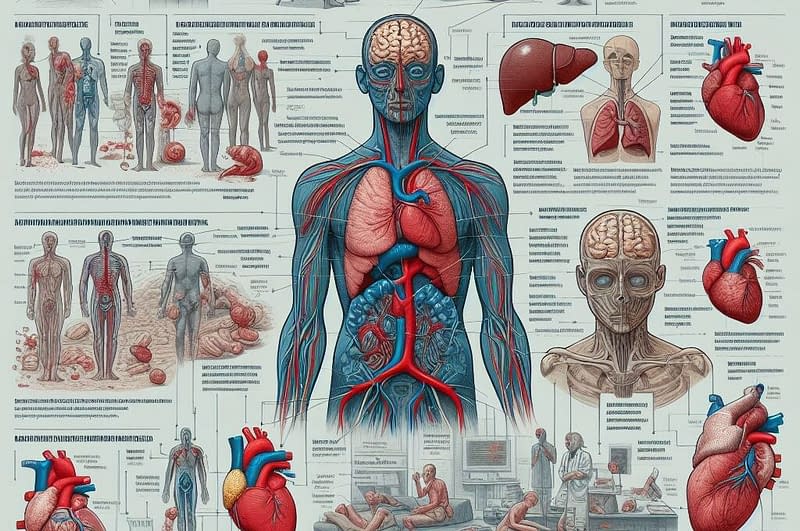
Injury is an extremely excruciating encounter that influences individuals on various levels: intellectually, genuinely, and actually. Albeit the close-to-home and mental parts of injury are broadly perceived and inspected, the significant impacts of injury on the human body are frequently underrated or overlooked. This article explains how the body’s physiological responses to traumatic events can […]
Mental Health is Physical Health and Physical Health is Mental Health
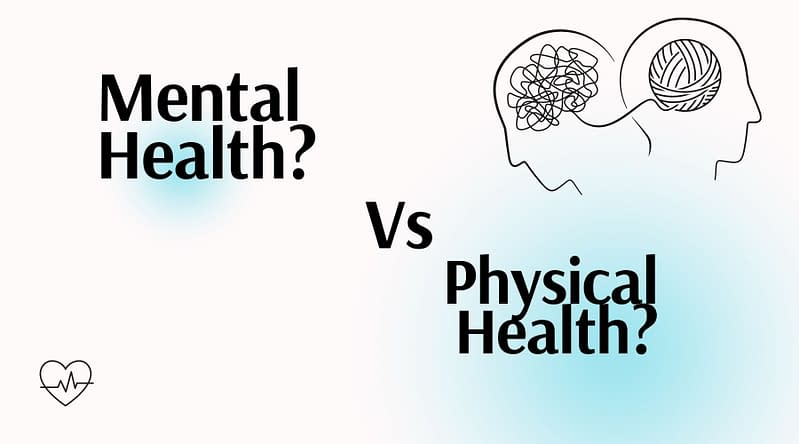
How do you know you need mental health services? Easy, do you have a body? Do you have abrain? Do you want to take care of them? Then yes, you need mental health services. Howoften and what mental health services you access may vary but everyone could benefit fromregular check-ups, and when needed, interventions to […]
Indications for Getting Mental Health Support

A person’s mental health includes their emotions, thoughts, and well-being. People with mental health disorders can have difficulties thinking and acting. Mental illness symptoms may appear suddenly. Different people experience mental health issues at different levels of severity and frequency. When a mental health concern causes frequent stress and makes it difficult for a person […]
Integrative Therapy Types and Benefits

Therapies for mental health offer just as many benefits. Knowing yourself better is possible with help. Your mental health problems can be identified with the help of these therapies. Different emotions are taught, as well as how to cope with them. Is it more likely for you to engage in therapy if it is tailored […]
Effects of Trauma on Mental Health
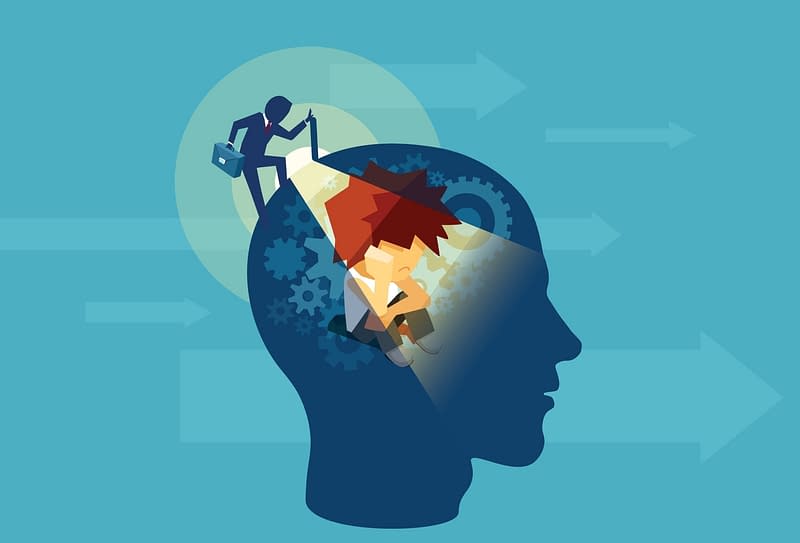
Individuals can suffer profound and lasting effects from trauma on their mental health and overall well-being. Mental and physical health are intricately linked to trauma. In addition to the physical and emotional symptoms that can accompany a traumatic event, ongoing stress can also have a detrimental impact on many aspects of one’s life. Healing from […]
Can “I” Get a Little Attention-Communicating When Your Mood is Less than Ideal

Communication is challenging when you are experiencing stress, overwhelm, and mental illness. In fact, communication can be tricky even when you are feeling well. Maybe this sounds familiar: Don’t worry! You aren’t alone and your communication skills can improve with practice, even when you aren’t feeling well. In fact, improving your communication skills leads to […]
It’s Not “Just” OCD

Let’s be honest. It is never “just” any mental illness, stress, or disorder. When it comes to mental health, we have to look at the full picture. This means really digging into the contributing factors and most importantly, the way the symptoms you are experiencing are impacting your functioning and your ability to enjoy your […]