
Let Your Past Teach, Not Lead

Your past carries lessons, not a lease on your future. What happened to you may have shaped your instincts, your fears, and even your strengths, but it does not get to sit in the driver’s seat forever. Healing begins when you honor where you’ve been without handing it authority over where you’re going. Let the past inform you, soften you, and teach you—but let your present choices lead you forward.
More Than Your Past

Your past may hold painful memories, mistakes, or chapters you wish had been different—but it does not define who you are today. Growth, healing, and self-compassion allow you to move forward and rewrite your story. No matter where you’ve been, you are always capable of change, renewal, and becoming more than your past.
Stop Spiraling: The Power of Grounding

When your thoughts start racing and anxiety pulls you into worst-case scenarios, grounding brings you back to what’s real and steady. Instead of chasing every “what if,” grounding gently redirects your focus to the present moment—your breath, your senses, your body. By anchoring yourself in the here and now, you interrupt the spiral, calm your nervous system, and create space to respond with clarity rather than fear.
When You Stop Trusting You
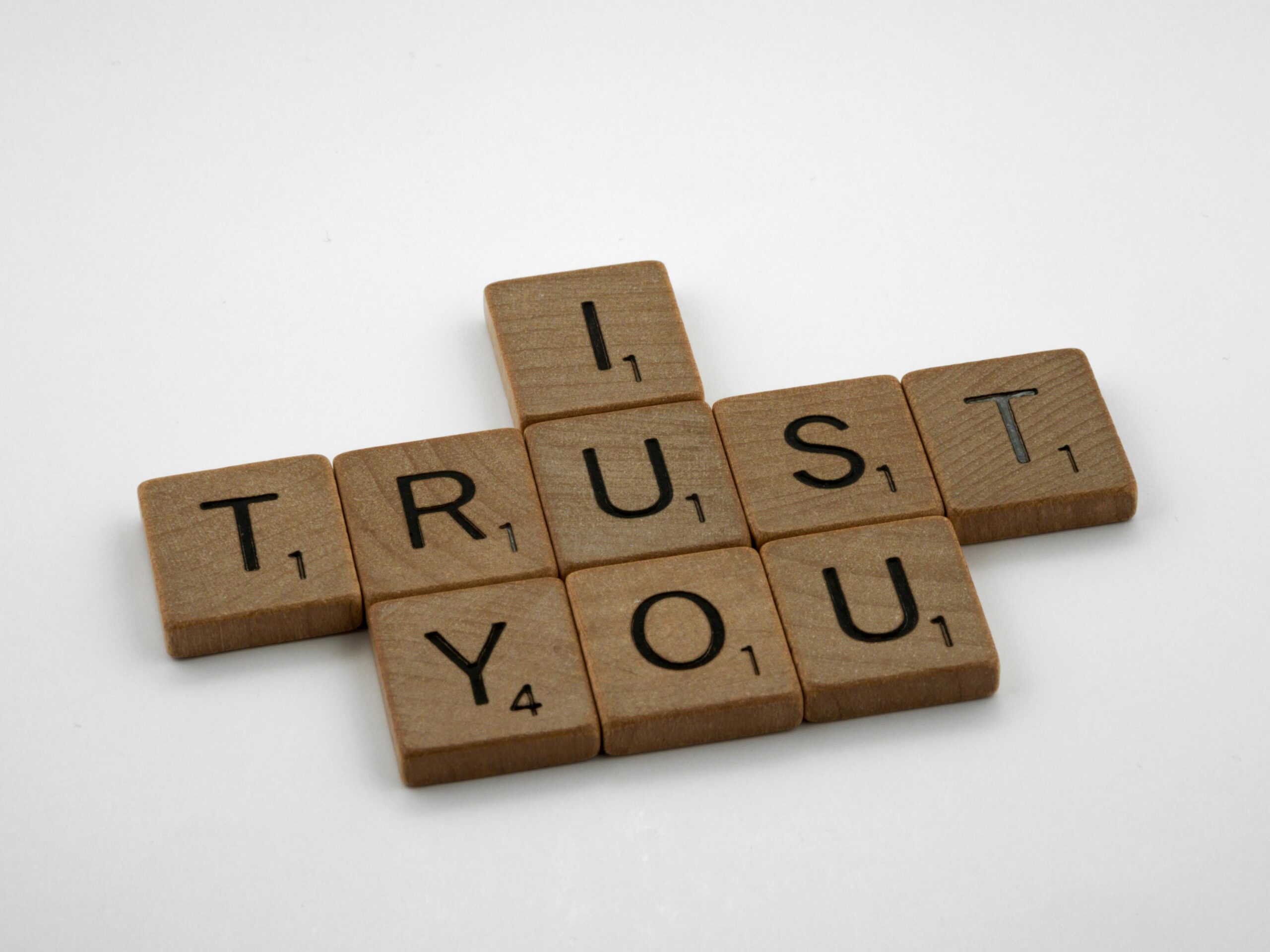
When you stop trusting you, the world doesn’t suddenly become safer—it just gets louder. Every choice turns into a negotiation, every feeling into evidence you have to cross-examine, every moment into a test you’re sure you’ll fail if you answer too quickly. You start outsourcing your instincts to other people’s reactions, checking for permission in their tone, their timing, their silence. And even when you do what everyone says is “right,” it never feels like relief—just temporary immunity. Because the ache isn’t that you don’t know what to do; it’s that you’ve begun to treat your own inner voice like a stranger who can’t be trusted with the truth.
Burnout Brain Fog: Why Memory and Focus Fade

Burnout brain fog can feel like your mind is stuck in low battery mode—words slip away, focus fractures, and even simple tasks take extra effort. It’s not that you’re “getting worse” or suddenly unmotivated; it’s that chronic stress keeps your nervous system on high alert, draining the mental fuel your brain needs for attention, working memory, and clear thinking. When you’ve been running on pressure and too little recovery, your brain starts prioritizing survival and speed over nuance and recall—so you forget why you walked into a room, reread the same sentence, or struggle to start. The good news: brain fog is often a signal, not a sentence—one that improves when rest becomes non-negotiable and your workload, sleep, and stress cycles finally get room to reset.
Turn the Tide: Harnessing Your Emotions with Grace

Emotions are powerful currents that can either steer us off course or propel us toward growth. Turn the Tide: Harnessing Your Emotions with Grace invites you to see your feelings not as obstacles but as guides—signals that reveal what matters most. By learning to navigate emotional waves with awareness and compassion, you can transform moments of overwhelm into opportunities for balance, resilience, and deeper connection with yourself and others.
Choosing Help: The Power of Mental Health Support

Seeking help isn’t weakness—it’s an act of courage. Choosing support opens the door to healing, growth, and the possibility of a brighter future.
Vulnerability Builds Bridges, Not Walls

Vulnerability isn’t weakness—it’s authenticity. By sharing openly instead of hiding behind walls, we create trust, invite empathy, and strengthen genuine connections.
The Science Behind Brainspotting Therapy in Trauma Recovery

Brainspotting therapy uses the brain’s natural healing processes to help release unresolved trauma, reduce emotional distress, and support lasting recovery.
Integrative Psychiatry: Healing Trauma with Therapy and Medication

Trauma can feel like a huge, invisible weight that just won’t leave, but with the right help, it can become lighter. Integrative psychiatry is a way of understanding and treating trauma that combines different methods to provide better support. This isn’t just about one thing; it’s about using many tools to help someone heal after […]