 Skip to content
Boundaries 101: A Guide to Self-Respect

Boundaries are the quiet, powerful lines we draw to protect our peace, energy, and sense of self. They are not about pushing others away, but about honoring what we need to feel safe, respected, and whole. When we learn to say “no” without guilt and “yes” without resentment, we begin to build relationships rooted in mutual respect rather than obligation. Setting boundaries is an act of self-respect—and a reminder that we are worthy of care, consideration, and space.
Breathe. Slow. Calm.

Breathe in gently, letting the air fill your lungs without force. Slow down, even if the world around you keeps rushing forward. In this quiet moment, allow your body to soften and your thoughts to settle, like ripples fading on still water. Calm isn’t something you chase—it’s something you return to, one steady breath at a time.
Too Much? Do One

Sometimes we try to carry everything at once—every task, every worry, every expectation—thinking we’ll somehow manage it all. But more often than not, it just leads to overwhelm and burnout. Instead of doing everything, try doing one thing well. Focus your energy, give it your full attention, and let that be enough for now. Progress doesn’t come from doing everything at once—it comes from showing up, one step at a time.
Stress and Your Eating Patterns

Stress can significantly influence your eating patterns, often leading to either overeating or loss of appetite. When stressed, the body releases hormones like cortisol, which can increase cravings for high-sugar, high-fat “comfort” foods as a way to temporarily boost mood. At the same time, stress can disrupt regular hunger cues, making it harder to recognize when you’re truly hungry or full. Over time, these shifts can create an unhealthy relationship with food, where eating becomes more about coping than nourishment.
Beat Energy Dips with Hydration

Beat mid-day energy slumps by simply staying hydrated. Even mild dehydration can lead to fatigue, brain fog, and reduced concentration, making everyday tasks feel harder than they should. Drinking enough water throughout the day helps your body regulate temperature, maintain blood flow, and deliver oxygen and nutrients to your cells—key factors for sustained energy. Keep a water bottle nearby and sip regularly to stay refreshed, focused, and energized.
Warm Weather, Better Movement

Warm weather invites us to move a little more freely, whether that means stretching in the morning sun, taking a walk after lunch, or simply enjoying time outdoors with less stiffness and more ease. As the days grow brighter, it becomes easier to reconnect with our bodies through gentle, natural movement that supports energy, balance, and overall well-being.
The Power of Focused Listening

Focused listening is more than simply hearing words — it is the intentional act of being fully present with another person. When we quiet our internal dialogue and resist the urge to interrupt, fix, or judge, we create space for genuine understanding. Focused listening communicates respect, safety, and care, allowing others to feel seen and valued. In a world filled with distractions and noise, offering someone your undivided attention is a powerful gift — one that strengthens trust, deepens connection, and transforms conversations into meaningful moments.
Overcoming Borrowed Urgency

Borrowed urgency is the pressure we feel to act on someone else’s timeline rather than our own values. It shows up in the rush to reply immediately, to say yes before we’ve checked our capacity, or to treat every request like an emergency. Overcoming borrowed urgency begins with a pause—long enough to ask, “Is this truly urgent, or am I absorbing someone else’s anxiety?” When we ground ourselves in our priorities and respond instead of react, we reclaim our time, protect our energy, and make decisions from clarity rather than pressure.
Make Joy Non-Negotiable
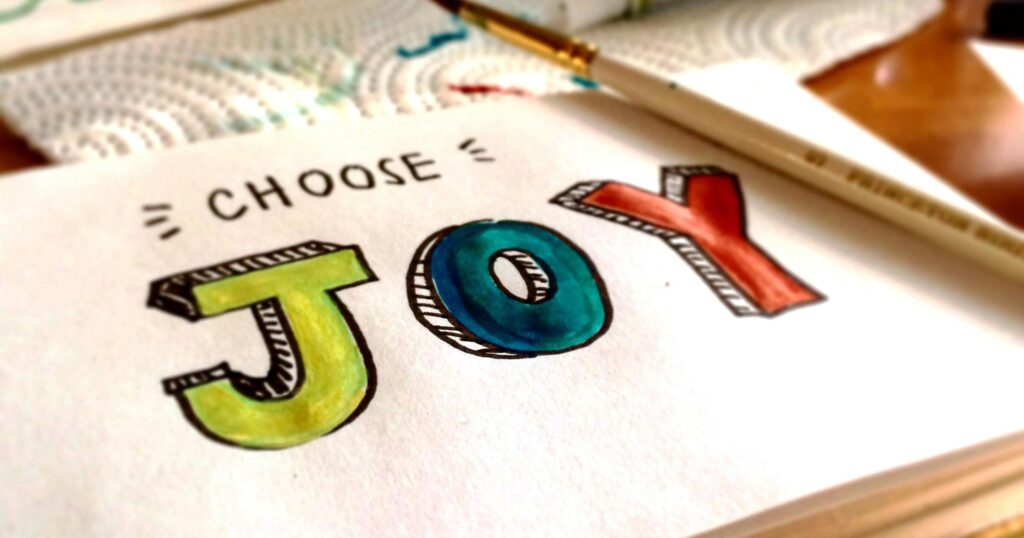
Make joy non-negotiable—not as a reward for when everything is finished, perfect, or approved, but as a daily standard for how you live and lead. Joy is not frivolous; it is fuel. When you treat your well-being, boundaries, rest, and meaningful connections as essential rather than optional, you build a life that sustains you instead of depletes you. Choosing joy on purpose—especially in small, ordinary moments—creates resilience, clarity, and the capacity to show up fully for the people and work that matter most.
The Silent Signals of Stress

Stress doesn’t always show up as tears or tantrums—it often whispers before it shouts. It can look like irritability, trouble sleeping, headaches, forgetfulness, or even a sudden loss of motivation. Sometimes it hides behind productivity, perfectionism, or a constant need to stay busy. These silent signals are the body and mind’s way of asking for care and attention. When we learn to notice the subtle shifts—tight shoulders, shallow breathing, snapping at loved ones—we create an opportunity to pause, reset, and respond with compassion instead of pushing through.
